



How Long Do White Cards Last in Australia? 2026 Guide

Key Takeaways
- White Cards do not have a formal expiry date. A White Card does not expire, but its validity depends on whether you remain active in the construction industry.
- Your White Card stays valid while you continue working in construction. It is generally accepted as current when you have ongoing or recent experience on construction sites.
- The two-year rule is the key factor that affects validity. If you have not worked in construction for around two or more consecutive years, many employers and regulators may require you to complete the White Card course again before returning to site.
- Retraining may be required after long gaps away from construction work. If you have been out of the industry for an extended period, repeating the course helps ensure your safety knowledge is up to date with current site requirements.
A White Card doesn’t expire, but if you’re away from the construction industry for too long, you may need to complete it again. That’s where most people get caught out.
Whether you’re just starting, changing careers, or getting back into work after time off, this guide explains exactly how White Card validity works in 2026.
What Is a White Card and Why Do You Need It?
Before getting into timeframes and validity, it helps to understand what the White Card represents and why it’s required across the industry.
A White Card, officially known as the General Construction Induction Card, is a mandatory requirement for anyone who wants to work on a construction site in Australia. It confirms that you’ve completed the nationally recognised unit CPCWHS1001 – Prepare to Work Safely in the Construction Industry.
This training covers the core safety knowledge expected on-site, including how to identify hazards, follow safe work procedures, understand risk controls, and respond to emergencies.
Without a White Card, you simply won’t be allowed onto most worksites in Australia. Employers, site supervisors, and labour hire companies are legally required to check that you hold one before you begin work.
How Long Does a White Card Last?
The short answer is that a White Card does not have a formal expiry date, but that doesn’t mean it lasts forever in every situation.
Once you complete your training and receive your card, there is no set renewal period.
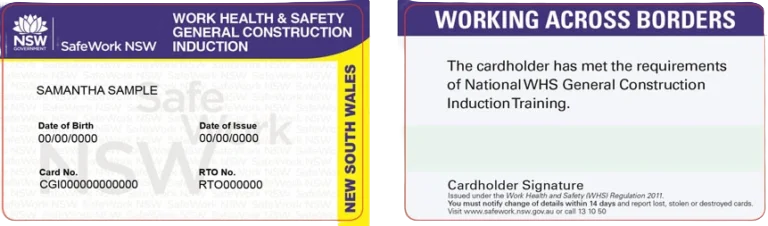
You won’t be asked to renew it every few years, and there’s no expiry date printed on the card itself. This is different from tickets like high risk work licences, which have strict renewal timelines.
To make this clearer, here’s what that means in practice:
- Your White Card does not automatically expire after a certain number of years
- There is no mandatory renewal process you need to follow
- You don’t need to complete annual refresher training just to keep it active
That said, there is one important condition that affects how long your White Card remains valid, and it’s something many people overlook when they first get qualified.
The Two-Year Inactivity Rule Explained
Even though your White Card doesn’t expire, its practical validity depends on staying active in the construction industry. This is where the two-year rule comes into play.
Across Australia, many regulators and employers consider a White Card to be no longer current if you haven’t worked in construction for two or more consecutive years.
It’s not an expiry date in the traditional sense, but it has the same effect when it comes to getting on-site.
To understand how this applies, here are two different scenarios:
- If you have been working regularly on construction sites, your White Card remains valid and will be accepted
- If you have been out of the industry for two years or more, you may be required to complete the White Card course again before returning to work
This approach is based on safety, not administration. Construction environments, procedures, and regulations change over time. Employers need to know that workers are familiar with current practices, not relying on outdated knowledge from years ago.

When and How Your White Card Is Checked
Having a White Card is one thing, but you’ll also need to present it at various stages throughout your working life. Understanding when it’s checked helps avoid delays or issues when starting work.
Before you step onto a site, your card will usually be verified by an employer, labour hire company, or site supervisor. This is part of standard compliance under work health and safety laws.
There are several common situations where your White Card will be reviewed:
- When starting a new job, especially if you’re joining a new company or moving between projects
- During site inductions, where all workers must provide proof of required certifications
- During inspections by safety regulators, who may request to see your card and confirm your eligibility to be on-site
In each of these situations, it’s not just about having the card. If there are signs you haven’t worked in the industry for a long period (e.g 2 years or more), you may be asked to provide additional proof of work or complete White Card training again.
What Happens If You Stop Working in Construction?
It’s quite common for people to step away from construction, whether it’s to try a different industry, travel, or take time off. The important thing is understanding what happens when you decide to come back.
If your time away is short, there’s usually no issue. Your White Card will still be accepted, and you can return to work without needing to redo the White Card course.
However, if you’ve been out of construction for more than 2 years, employers may require you to complete the course again before allowing you on-site.
This isn’t about making things difficult. From an employer’s perspective, it reduces risk and ensures that everyone on-site is operating with up-to-date safety knowledge.
In many cases, retaking the White Card course is the simplest and fastest way to get back into the industry without complications.

Lost or Damaged Your White Card?
Your physical White Card is something you’re expected to carry with you, but losing it doesn’t mean you’ve lost your qualification.
If your card has been lost, damaged, or stolen, you still have options. The key is knowing where your training record sits and how to access it.
Here’s what you can do:
- Contact the Registered Training Organisation (RTO) that issued your card and request a replacement
- Provide identification and, if needed, your Statement of Attainment as proof of completion
- In some cases, go through the relevant state authority to arrange a replacement card
As long as your training was completed properly, it remains valid. You simply need to obtain the documentation again so you can present it on-site.
Do You Need Refresher Training?
There’s no formal requirement to complete refresher training on a set schedule, but that doesn’t mean it isn’t valuable in certain situations.
If you’ve been away from construction for a while, or you’re unsure about current safety expectations, completing the course again can make a noticeable difference when returning to work.
Some of the main benefits include:
- Updating your understanding of current safety standards and procedures
- Showing employers that your training is recent and relevant
- Building confidence before stepping back onto a live construction site
Even when it’s not strictly required, refresher training is often seen as a practical step rather than an unnecessary one.

Does White Card Validity Change Between States?
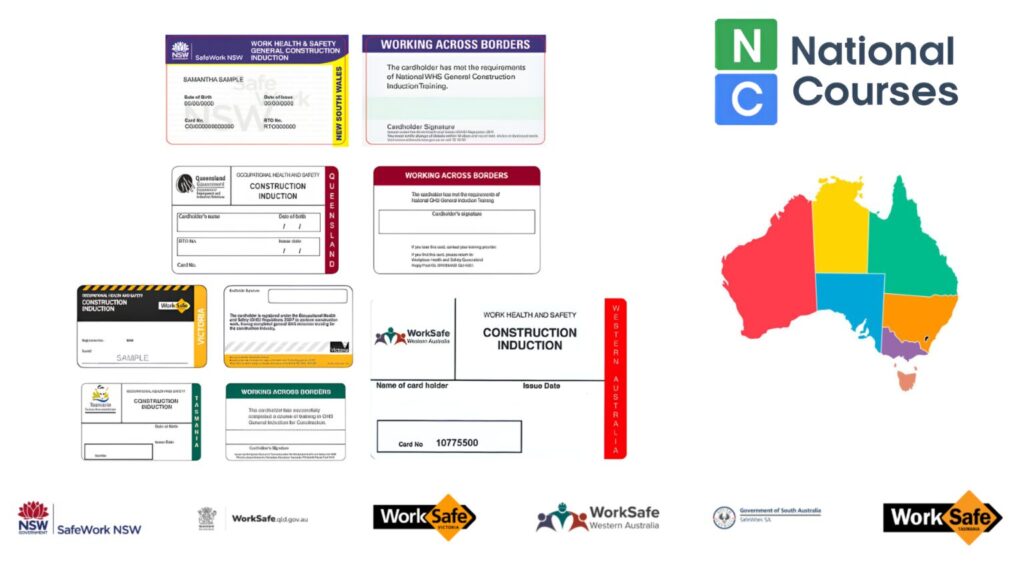
One of the advantages of the White Card system is that it’s nationally recognised. This means you don’t need to complete separate training for each state or territory.
Whether your card was issued in New South Wales, Queensland, Victoria, or anywhere else in Australia, it can be used across the country. This flexibility is especially useful for workers who move between projects or follow work opportunities interstate.
However, while recognition is national, the expectation around staying active in the industry remains consistent. The same two-year inactivity rule is applied broadly, regardless of location.
Frequently Asked Questions
Understanding how White Cards work in real-world situations often comes down to a few key questions.
How long does a White Card last?
A White Card does not have a formal expiry date, which means it can last indefinitely. However, its practical validity depends on staying active in the construction industry. If you continue working on construction sites, your card remains valid without any need for renewal or retraining.
Do White Cards expire?
White Cards do not expire in the traditional sense. There is no expiry date printed on the card and no set renewal period. That said, if you haven’t worked in construction for two or more years, employers and regulators may require you to complete the training again before returning to site.
Can I use my White Card in another state?
Yes, White Cards are nationally recognised across Australia. A card issued in one state or territory can be used in another without needing to complete additional training, as long as it is still considered current based on your recent work activity.
What should I do if I’ve been out of construction for a few years?
If you’ve been away from construction for an extended period, the simplest approach is usually to complete the White Card course again. This ensures your knowledge is up to date and removes any uncertainty when applying for jobs or attending site inductions.
About National Courses
National Courses Pty Ltd (RTO 41072) is a trusted training provider offering short, nationally recognised courses across Australia.
We specialise in practical, job-ready training for industries like construction, civil, safety, and first aid — helping individuals and businesses stay qualified and competitive.
National Courses PTY LTD works with government programs, employers, and community organisations to deliver training that leads to real employment outcomes.