
How to Stack Your Tickets (Certifications) and Get Your Dream Job
Trying to get a job in construction or mining? You can have the experience. You can know the job. You can even be exactly the type of worker an employer is looking for.

In Short
- Ticket stacking boosts employability: Holding multiple, relevant certifications makes you more versatile and job-ready.
- Stacking is strategic, not random: Choose courses that match the real demands of your industry and local job market.
- Use job ads to guide your decisions: Don’t guess, research what employers in your area are asking for.
- Fast-track your job readiness: Most courses are short, affordable, and can be completed in a few days, often with same-day certification.
- Investing in tickets is investing in your future: A small upfront cost can lead to long-term job security, higher pay, and more opportunity.
But if the job requires a specific licence, ticket or qualification and you don’t have it, your application will go nowhere. That’s the reality of working in the construction and mining industries in Australia.
You don’t need to have 20 different tickets. You need the right combination of tickets for the type of work you’re targeting.
This is the idea behind smart ticket stacking. Getting qualified strategically rather than simply collecting certificates.
Most qualifications like the White Card or Forklift license aren’t qualifications you obtain because it looks good on your resume. They are legally required before you can carry out specific types of work or operate certain equipment.
Qualifications Matter Before Applying for Jobs
When you apply for construction and mining jobs, your application may not go straight to the employer. Many employers in these industries use recruitment agencies or job platforms like SEEK, which have Applicant Tracking Systems (ATS) and other automated screening tools to sort large numbers of applications.
These systems filter applications based on the specific qualifications, licences, skills and experience listed for the job.
NOTE: There is a big difference between having experience and being qualified to perform a particular task.
An employer may be happy with your previous experience, but if the position involves work that requires a specific licence or qualification, they cannot ignore that legal requirement.
High risk work is a clear example. Under the model WHS framework, workers need the relevant high risk work licence before undertaking specified work such as forklift operation or operating an EWP (Elevated Work platform) with a boom length over 11 metres.
That is why getting the right construction and mining tickets before you start applying for jobs in these industries is so important.
Construction and Mining Tickets That Can Help You Get Hired
There is no single list of tickets that every construction or mining worker needs. Your requirements depend on the role, equipment, site and type of work you want to do.
The key is to identify the same qualifications that keep appearing in the jobs you’re targeting. Below is a comprehensive list of construction and mining tickets, what they cover and where they can fit into your job search.
White Card
Course: CPCWHS1001 Prepare to Work Safely in the Construction Industry
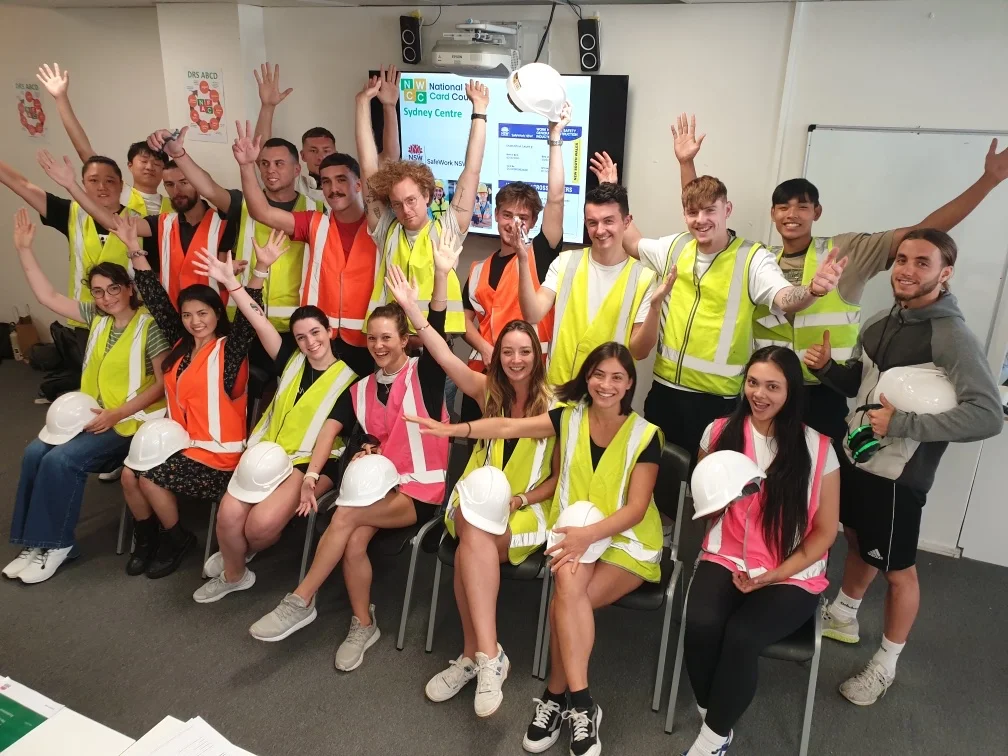
The White Card is the starting point for anyone planning to work in the construction and mining industries in Australia.
Construction induction training is legally required before entering an active construction zone in all states and territories around the country. A White Card is relevant if you’re looking for:
- Construction labourer or entry-level mining jobs
- Trade assistant positions
- Apprenticeships
- Civil construction work
- General construction roles
The training covers identifying common construction hazards, understanding WHS responsibilities, following safe work practices, using appropriate PPE, responding to emergencies, and reporting hazards and incidents.
Tip: If you’re starting from zero, this is generally the first qualification you need before looking at additional tickets.
Working at Heights
Course: RIIWHS204D Work Safely at Heights
Working at Heights training is designed for workers who may be exposed to a fall hazard while carrying out their job.
This qualification is required when workers need to access elevated areas, work from roofs or platforms, use ladders and other access systems, or operate where fall protection systems are required. Common examples include:
- Roofing and roof maintenance
- Steel erection and construction installation
- Building and structural work
- Industrial maintenance
- Equipment installation
- Shutdown and maintenance projects
- Work involving elevated platforms or other access systems
The training covers how to identify fall hazards, assess the risks involved, select appropriate control measures, inspect and use fall protection equipment, and follow safe work procedures.
Tip: Working at Heights pairs particularly well with a White Card and EWP qualification for workers targeting construction installation, maintenance, roofing or similar work.

Confined Space
Courses:
- RIIWHS202E Enter and Work in Confined Spaces
- MSMPER205 Enter Confined Space
- MSMPER200 Work in Accordance with an Issued Permit
Confined Space training is for workers who may need to enter or work in confined spaces where there can be serious hazards associated with restricted access, limited ventilation or difficult emergency escape.
This qualification is particularly relevant to workers involved in construction, mining, maintenance, industrial work and shutdown projects. Common examples include:
- Tanks and vessels
- Pits and shafts
- Sewers and drains
- Restricted plant or equipment areas
- Industrial maintenance work
- Shutdown and turnaround projects
The training covers how to identify confined space hazards, assess risks, follow entry procedures, use safety equipment, comply with permit requirements, and respond appropriately to an emergency.
Tip: Confined Space pairs well with the Gas Test Atmospheres ticket, as these qualifications usually form part of the same safety requirements for jobs that involve entering hazardous confined spaces.

Gas Test Atmospheres
Course: MSMWHS217 Gas Test Atmospheres
Gas Test Atmospheres training is designed for workers who need to test and monitor the atmosphere in areas where hazardous gases, vapours, low oxygen levels or other atmospheric hazards may be present.
This qualification is particularly relevant to confined space work, shutdowns and industrial environments where atmospheric conditions need to be checked before and during work. Common examples include:
- Confined space entry
- Industrial maintenance
- Shutdown and turnaround projects
- Tanks, vessels and process areas
- Mining and resource operations
- Work involving potentially hazardous atmospheres
The training covers how to identify atmospheric hazards, use gas testing equipment, conduct atmospheric tests, interpret readings, recognise unsafe conditions, and follow required workplace procedures.
Tip: If shutdown work is your target, think of Gas Test Atmospheres as part of a combination rather than a standalone ticket. Confined Space + Gas Test Atmospheres + Working at Heights is a logical ticket stack for shutdown style work in the mining industry.
EWP (Elevated Work Platforms)
Courses:
- Under 11m: RIIHAN301E Operate Elevating Work Platform
- Over 11m: TLILIC0005 Licence to Operate a Boom-Type
- Elevating Work Platform (Boom Length 11 Metres or More)
EWP courses are for workers who operate elevated work platforms to access and work at height. The training you need depends on the type of EWP you will be operating, including whether a boom-type platform has a boom length of 11 metres or more.
This can be relevant to workers involved in construction and installation, building maintenance, electrical work, industrial maintenance, warehousing and facilities work, and shutdown and project work.
The training covers pre-start inspections, identifying workplace hazards, setting up and operating the EWP safely, controlling the platform during work, and shutting down the equipment correctly.
Tip: Match the EWP qualification to the specific machinery you will be using. For example, if the jobs you’re targeting specify an EWP under 11 metres, there is no point paying for the over-11m High Risk Work Licence simply because it sounds like the bigger qualification.

Forklift
Course: TLILIC0003 Licence to Operate a Forklift Truck
A forklift licence allows you to legally operate a forklift in workplaces where a High Risk Work Licence is required.
Forklifts are used to move, load and unload materials, making this qualification relevant beyond traditional warehouse jobs.
This can be useful for workers looking for:
- Construction and building supply roles
- Warehouse and logistics jobs
- Manufacturing work
- Distribution and transport operations
- Industrial and materials-handling positions
The training covers forklift controls and operating procedures, pre-start inspections, identifying workplace hazards, safely moving and positioning loads, operating on different surfaces, and shutting down and securing the forklift.
Tip: Forklift is worth considering when you want to be useful across more than just general labouring duties. On construction, warehouse, mining, and industrial sites, workers who can safely handle materials as well as perform general site work can fit a wider range of roles. It is a practical addition to a White Card if you’re targeting jobs involving deliveries, loading, unloading or moving materials around site.

Traffic Control & Traffic Management
Courses:
- Control Traffic: RIISS00054 Traffic Controller Skill Set
- Traffic Management: RIISS00055 Traffic Management Implementer Skill Set
Traffic Control courses are designed for workers who help manage the movement of vehicles and pedestrians around roadworks, construction sites and other active work zones. This can be relevant to workers involved in:
- Road construction and maintenance
- Civil construction
- Infrastructure projects
- Traffic control work
- Utility and roadside projects
- Roadwork site support
The training covers controlling traffic around work areas, using traffic control devices, following traffic management procedures, identifying hazards and maintaining safe movement through active work zones.
Tip: These two courses cover different responsibilities, so choose based on the type of roadwork you want to perform. Control Traffic is focused on directing traffic through work zones, while Traffic Management is focused on implementing traffic management arrangements. Having both can broaden the types of civil and roadwork roles you can target.

Mobile Plant
Courses:
- Excavator: RIIMPO320F Conduct Civil Construction Excavator Operations
- Skid Steer: RIIMPO318F Conduct Civil Construction Skid Steer Loader Operations
- Roller: RIIMPO317F Conduct Roller Operations
- Haul Truck: RIIMPO338E Conduct Rigid Haul Truck Operations
- Grader: RIIMPO324F Conduct Civil Construction Grader Operations
- Dozer: RIIMPO323E Conduct Civil Construction Dozer Operations
- Loader: RIIMPO321F Conduct Civil Construction Wheeled Front End Loader Operations
- Water Cart: RIIMPO326E Conduct Water Vehicle Operations
- Backhoe: RIIMPO319E Conduct Backhoe/Loader Operations
- Scraper: RIIMPO325E Conduct Civil Construction Scraper Operations
- Compactor: RIIMPO316E Conduct Self-Propelled Compactor Operations
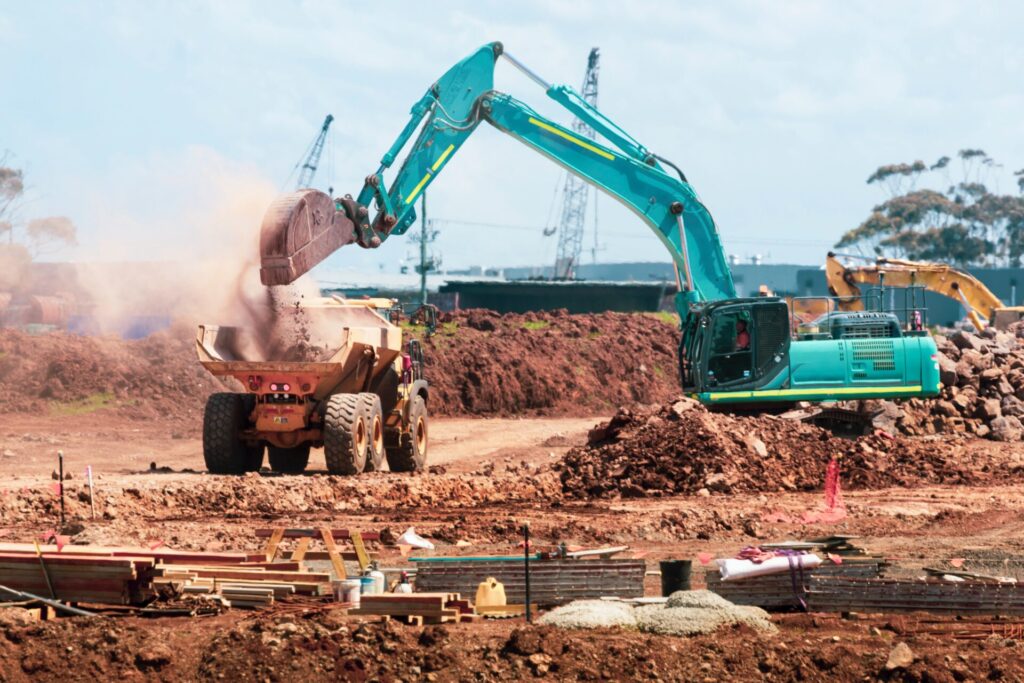
Mobile plant training is for workers who operate earthmoving, haulage and construction machinery across civil construction, mining, earthmoving and infrastructure projects.
Each course is specific to a particular type of machine, so you should choose qualifications based on the equipment you intend to operate.
This can be relevant to workers involved in civil construction, earthmoving and excavation, road construction, mining and quarrying, site preparation, and infrastructure projects.
The training covers pre-start inspections, identifying hazards, preparing and operating the relevant machinery, carrying out machine-specific tasks safely, managing the work area and completing shutdown procedures.
Tip: Don’t treat mobile plant tickets as a collection exercise. Start with the machine that matches the work you want to do, then add complementary plant qualifications when you want to operate multiple machines. For example, an excavator operator may benefit from adding a loader or skid steer qualification when targeting multi-skilled civil construction roles.
Scaffolding
Courses:
- Basic Scaffolding: CPCCLSF2001 Licence to Erect, Alter and Dismantle Scaffolding Basic Level
- Intermediate Scaffolding: CPCCLSF3001 Licence to Erect, Alter and Dismantle Scaffolding Intermediate Level
- Advanced Scaffolding: CPCCLSF4001 Licence to Erect, Alter and Dismantle Scaffolding Advanced Level
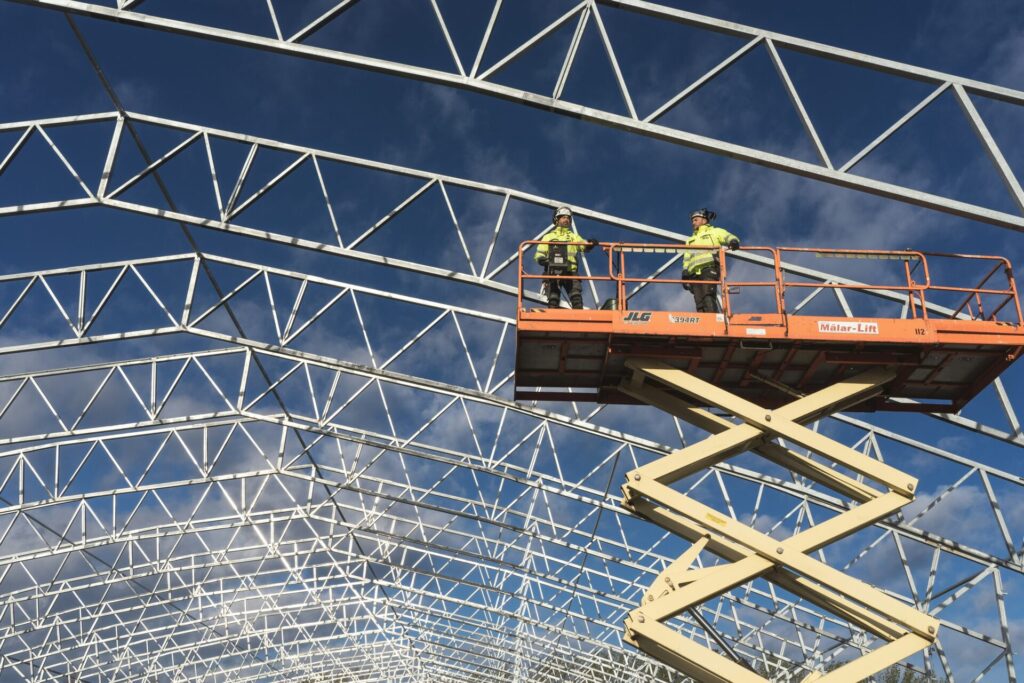
Scaffolding is a specialised area of construction involving the erection, alteration and dismantling of temporary structures used to provide safe access and working platforms.
The level of qualification you need depends on the type and complexity of scaffolding work you intend to perform.
This can be relevant to workers involved in scaffolding and access work, commercial construction, industrial construction and maintenance, shutdown projects, building and structural work, and high-rise construction.
The training covers planning and preparing scaffolding work, selecting and inspecting equipment, identifying hazards, erecting and dismantling scaffolding, applying safe work procedures, and responding to incidents and emergencies.
Tip: Scaffolding is one area where you should build your tickets in the right order. Basic is the starting level, while Intermediate and Advanced are progression qualifications that require the previous level. If scaffolding is your target trade, build upwards through the levels.
Demolition
Courses:
- Demolition Safety: CPCCDE3016 Identify Demolition Hazards and Apply Risk Management Strategies
- Silica Dust: CPCSIL3001 Work with Products and Materials Containing Crystalline Silica
Demolition training is designed for workers who may be exposed to the specific hazards involved in dismantling, altering or working around structures and demolition activities.
Silica training addresses the separate risks associated with working with materials that contain crystalline silica.
This can be relevant to workers involved in demolition work, construction and structural work, building renovation and refurbishment, site preparation, work involving concrete, bricks, tiles or other silica-containing materials, and demolition and construction support roles.
The training covers identifying demolition hazards, assessing and controlling risks, following safe work procedures, and, for silica-related work, identifying silica hazards and implementing measures to control exposure.
Tip: These courses address different risks, so don’t treat them as interchangeable. Demolition Safety is the more direct addition if you’re targeting demolition work, while Silica Dust becomes valuable when your target work involves cutting, drilling, grinding or working with silica-containing materials.

First Aid & CPR
Courses:
- First Aid: HLTAID011 Provide First Aid
- CPR: HLTAID009 Provide Cardiopulmonary Resuscitation
- Childcare First Aid: Provide First Aid in an Education and Care Setting (HLTAID012)
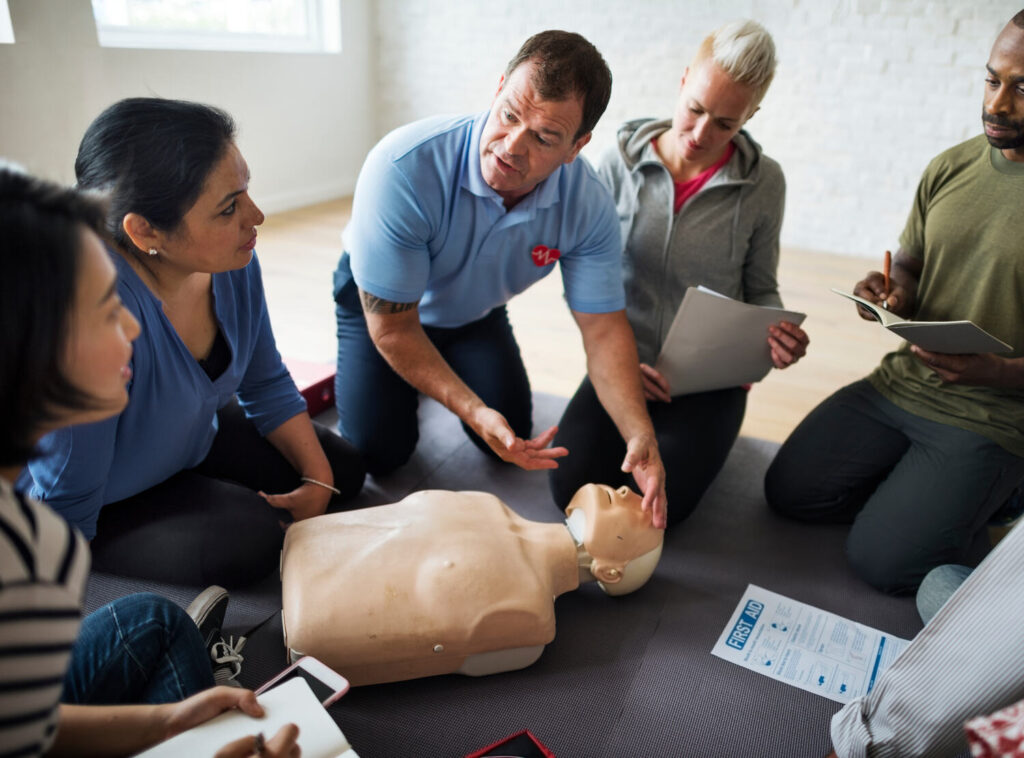
First Aid training gives workers practical skills to respond to injuries, illness and medical emergencies in the workplace and can be useful across construction, mining, industrial and other high-risk work environments.
This can be relevant to workers involved in construction and civil construction, mining and resource work, industrial and manufacturing jobs, remote and isolated work, supervisory and site-based roles, and workplaces where first aid or CPR is a job requirement.
The training covers assessing an emergency, performing CPR, using an AED, responding to common injuries and medical conditions, providing basic emergency life support, and managing a casualty until further medical assistance is available.
Tip: First Aid is one of the more versatile additions to a ticket stack because it isn’t tied to one type of industry, machinery or construction task. Adding it alongside your core construction or mining qualifications can give you a useful safety credential that remains highly relevant if you move between different site-based roles.
Standard 11
Course: Mining Induction Standard 11
Units:
- RIIWHS201E Work Safely and Follow WHS Policies and Procedures
- RIIERR205D Apply Initial Response First Aid
- RIIGOV201E Comply with Site Work Processes/Procedures
- RIIRIS201E Conduct Local Risk Control
- RIICOM201E Communicate in the Workplace
- RIIERR302E Respond to Local Emergencies and Incidents
Standard 11 is a mining induction course designed for people looking to work on Queensland coal mine sites.
This can be relevant to workers involved in mining labouring, trades and maintenance, civil and earthmoving work, plant and equipment operation, drilling and exploration, and mining support roles.
The training covers workplace communication, mining safety procedures, hazard identification and risk control, initial first aid, emergency response, and following site work processes and procedures.
Tip: Standard 11 should be one of the first qualifications you get if you’re specifically targeting Queensland coal mining jobs. From there, build around the role you want, such as adding a mobile plant qualification for machinery work or safety tickets for maintenance and shutdown roles.

How to Choose the Right Combination of Construction and Mining Tickets
The easiest way to work out which tickets you need is to start with the job you want and work backwards. Don’t begin by collecting qualifications and hoping they’ll eventually help you get hired. Find the type of work you want, look at what employers are asking for, then build your tickets around those requirements.
Start with a specific target, like construction labouring, civil construction, plant operation, traffic control, shutdown work or mining. Then check several current job ads for that same type of role and note which qualifications, licences and tickets keep coming up.
Some tickets are required before you can legally do certain work or operate certain equipment. Others just make you a stronger candidate or let you take on extra duties. Once you know what employers actually want, get the qualifications that directly match those jobs. Someone targeting civil plant operator roles might need a White Card plus relevant mobile plant training, while someone targeting shutdown work might need Confined Space, Gas Test Atmospheres and Working at Heights.
You don’t need every ticket before you start applying. Get the core qualifications for your target roles, start applying, and add more tickets as you spot opportunities where they’ll actually help. The goal is a ticket stack that gets you hired for the work employers are actually offering, not a pile of certificates for their own sake.
About National Courses
Nationally Recognised Training and Certification for a Wide Range of Industries
National Courses Pty Ltd (RTO 41072) is a trusted training provider offering short, nationally recognised courses across Australia.
We specialise in practical, job-ready training for industries like construction, civil, safety, and first aid, helping individuals and businesses stay qualified and competitive.
National Courses PTY LTD works with government programs, employers, and community organisations to deliver training that leads to real employment outcomes.

Find your next course with National Courses
Ready to take the next step? Explore our short courses, choose your training location and check upcoming dates with our team.
National Courses Pty Ltd · RTO 41072.
Need a hand choosing? Call 1300 677 191.