What Is First Aid? Definition, Purpose, and Why It Matters
When an emergency happens, every second counts. Whether someone has stopped breathing, suffered a severe burn, experienced a heart attack or been injured at work, the actions taken in the first few minutes can have a significant impact on the outcome.
In Short
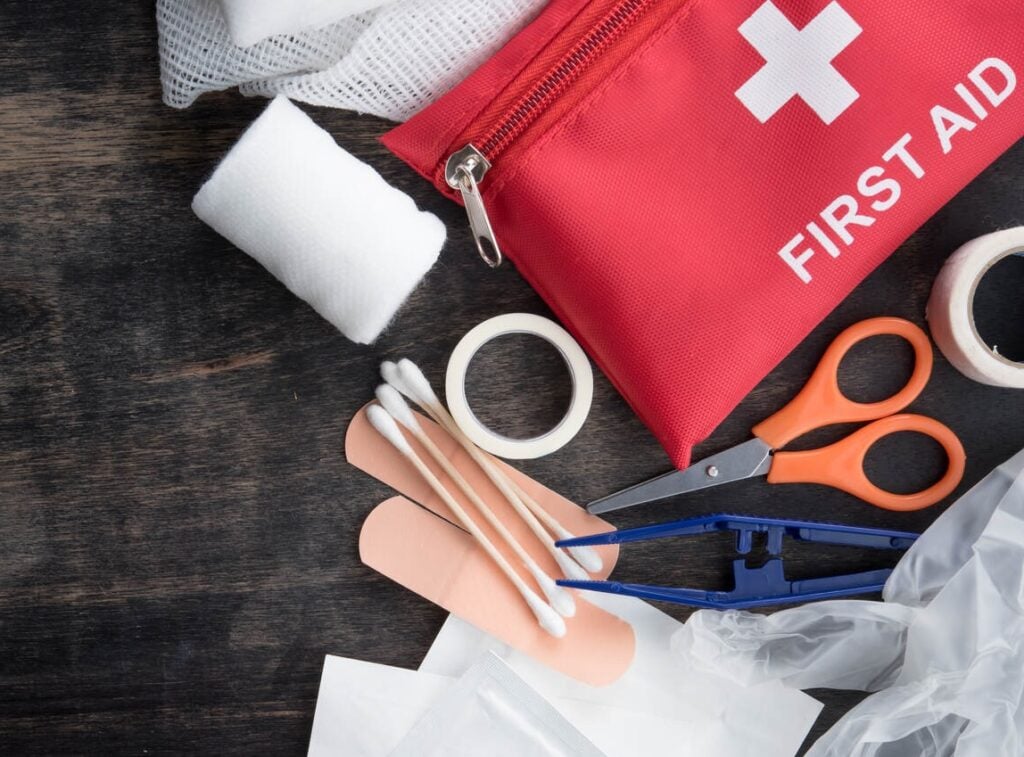
First aid is the immediate care given to someone injured or suddenly ill before professional help arrives. It's not a replacement for medical treatment, but it can help the outcome.
Every first aid action follows three aims: preserve life, stop the condition getting worse, and support recovery until paramedics take over.
In Australia, first aiders follow the DRSABCD action plan: Danger, Response, Send for help, Airway, Breathing, CPR, Defibrillation. It keeps you calm and makes sure the most urgent problems get handled first.
A first aid certificate lasts three years, but CPR skills should be refreshed every 12 months. Practical, hands-on training is what builds the confidence to act when it counts.
First aid is the immediate care provided to a person who has been injured or suddenly becomes ill before professional medical help arrives. It is not a substitute for medical treatment, but it plays a critical role in preserving life or preventing a condition from worsening.
Many people associate first aid with bandaging wounds or performing CPR, but there’s so much more. In this guide, you’ll learn what first aid is, why it is important, when it should be used, and what you can expect to learn in a nationally recognised first aid course.
What Is First Aid?
First aid is the immediate response to an injury or medical emergency, providing essential care until qualified healthcare professionals can take over.
It involves assessing the situation, identifying any immediate dangers, and providing appropriate care using the knowledge, skills and equipment available at the time. The aim is to stabilise the casualty and provide the best possible outcome until emergency services arrive or the person can receive further medical treatment.
First aid can be provided in response to both minor injuries and life-threatening emergencies. It may involve treating a small cut, managing a sprained ankle, helping someone who is choking, controlling severe bleeding or performing CPR on a person in cardiac arrest.
Unlike doctors or paramedics, first aiders are not expected to diagnose illnesses or provide advanced medical treatment. Instead, they apply recognised first aid principles to manage the situation safely and effectively until professional care becomes available. First aid involves:
- Assessing the scene for danger
- Calling Triple Zero (000) when required
- Providing CPR and using an AED
- Controlling severe bleeding
- Assisting someone who is choking
- Treating burns, fractures or other injuries
- Monitoring the person’s condition until emergency services arrive
Why Is First Aid Important?
Knowing first aid allows people to respond quickly and appropriately rather than feeling helpless or panicking. Early intervention will reduce the severity of injuries, prevent complications and, in some cases, save a person’s life. First aid is important because it helps:
- Preserve life during life-threatening emergencies
- Reduce the severity of injuries and illnesses
- Prevent a casualty’s condition from deteriorating
- Support recovery before professional treatment begins
- Increase confidence during emergency situations
- Create safer workplaces and communities
Even relatively simple actions. For instance placing an unconscious person into the recovery position or cooling a burn under running water.
The Three Aims of First Aid
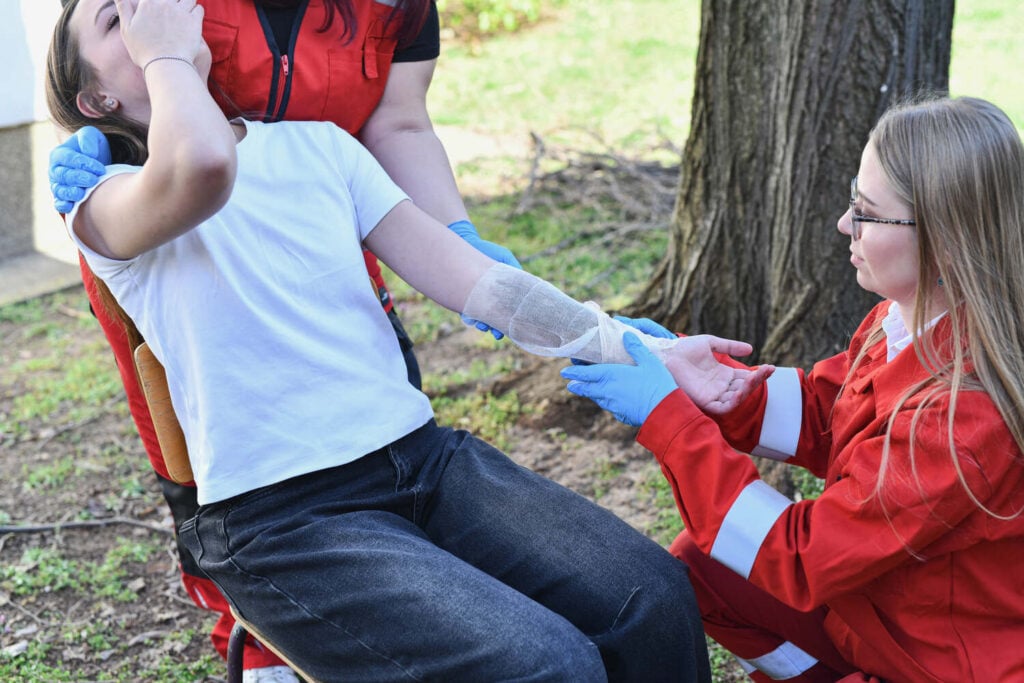
Every first aid action is guided by three objectives. These principles form the foundation of first aid training worldwide.
1. Preserve Life
Protecting human life always comes first. When someone stops breathing, goes into cardiac arrest or bleeds heavily, immediate action keeps them alive until paramedics arrive. Those first few minutes are where CPR, defibrillation and bleeding control matter most.
2. Prevent the Condition from Worsening
Not every emergency is life-threatening at first, but things can turn serious fast without the right care. A suspected fracture can worsen if the person is moved incorrectly. A burn keeps damaging tissue until it’s cooled. An asthma attack can become life-threatening if the symptoms are ignored. Keeping the casualty still, supported and monitored reduces further harm while help is on the way.
3. Promote Recovery
The third aim is supporting the person until further treatment is available. That means easing pain where possible, keeping them warm and comfortable, protecting wounds from infection and offering calm reassurance. A steady, reassuring first aider helps the casualty physically and reduces their fear during a stressful situation.
When Is First Aid Needed?
First aid may be needed any time someone becomes injured or suddenly ill. Emergencies generally fall into three groups: medical emergencies like a heart attack, stroke or seizure, traumatic injuries like bleeding, burns and fractures, and environmental emergencies like heat stroke, hypothermia or snake bites. Some are obvious right away, others build gradually. Recognising when someone needs help early is one of the most valuable first aid skills.
Common Emergencies and How First Aid Helps
First aid applies across an enormous range of situations. Some emergencies occur frequently in Australian workplaces, while others may happen at home or in public. Some of the most common include:
Cardiac Arrest
When a person’s heart stops beating effectively, blood is no longer circulated throughout the body. Immediate CPR and early defibrillation using an AED significantly improve survival chances.
Choking
A blocked airway can quickly become life-threatening. First aid involves encouraging coughing where appropriate or providing back blows and chest thrusts according to current Australian Resuscitation Council guidelines.
Severe Bleeding
Major blood loss can become fatal within minutes. Applying firm direct pressure to the wound is one of the most important first aid interventions.
Burns
Burns caused by heat, chemicals, electricity or friction should be cooled immediately using cool running water to reduce tissue damage and relieve pain.
Asthma Attacks
Asthma can rapidly worsen if untreated. First aiders should assist the casualty with their reliever medication and monitor their condition while arranging medical assistance if required.
Anaphylaxis
Severe allergic reactions can cause swelling of the airway and breathing difficulties. Prompt use of an adrenaline injector where available and immediate emergency assistance are essential.
Fractures and Sprains
Suspected broken bones and serious joint injuries should be supported and immobilised to prevent further damage until medical assessment.
Understanding DRSABCD
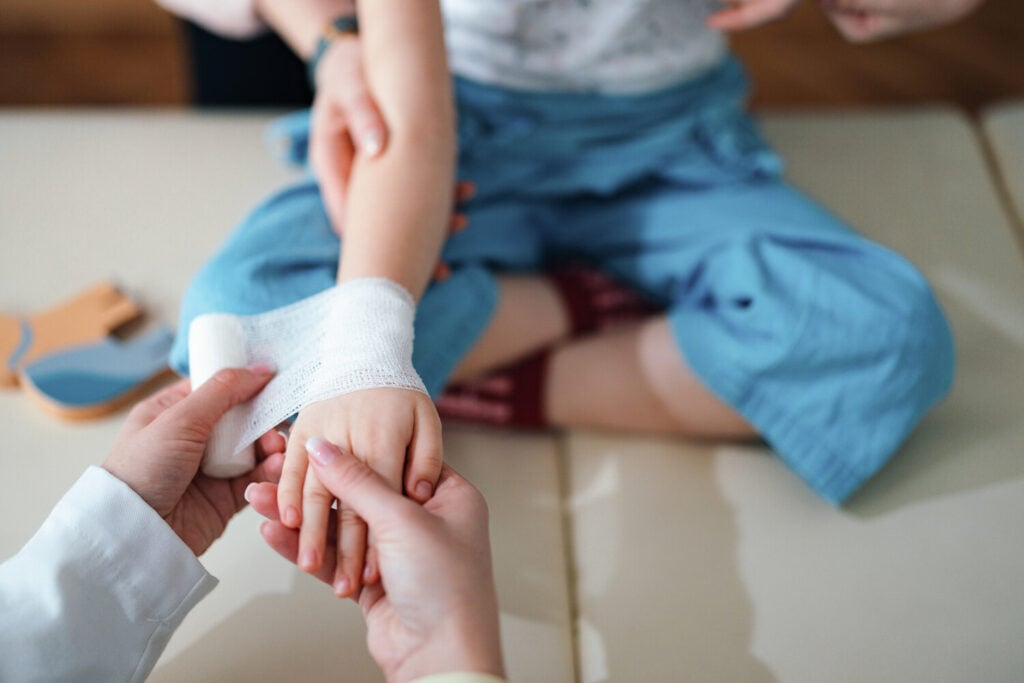
In Australia, first aid is taught using a structured action plan known as DRSABCD. Rather than reacting impulsively, it provides a logical sequence that helps first aiders assess emergencies safely and consistently.
The first priority is always ensuring your own safety before helping someone else. Rushing into a dangerous situation may create additional casualties.
Danger
Before approaching a casualty, check that the area is safe for yourself, the casualty and anyone else nearby. Potential hazards may include:
- Traffic
- Electricity
- Fire or smoke
- Falling objects
- Hazardous chemicals
- Aggressive people or animals
If the area is unsafe, do not put yourself at risk. Instead, call emergency services and wait until it is safe to assist.
Response
Check whether the casualty is conscious by speaking to them and gently squeezing their shoulders.
If they respond, determine what has happened and monitor their condition while arranging appropriate medical assistance if required. If they do not respond, continue through the remaining DRSABCD steps.
Send for Help
Call Triple Zero (000) or ask another person to do so. Providing emergency services with accurate information about the location, the casualty’s condition and any hazards at the scene helps ensure the appropriate response is dispatched quickly.
Airway
An unconscious person may have a blocked airway caused by their tongue, food, vomit or other obstructions. Carefully open the airway and check that it is clear before assessing breathing.
Breathing
Look for normal breathing by observing the chest, listening for breath sounds and feeling for air movement.
If the casualty is breathing normally but remains unconscious, place them into the recovery position where appropriate and continue to monitor them until emergency services arrive.
CPR
If the casualty is not breathing normally, begin cardiopulmonary resuscitation (CPR) immediately. High-quality CPR helps circulate oxygenated blood throughout the body and significantly improves the person’s chances of survival while waiting for advanced medical care.
Defibrillation
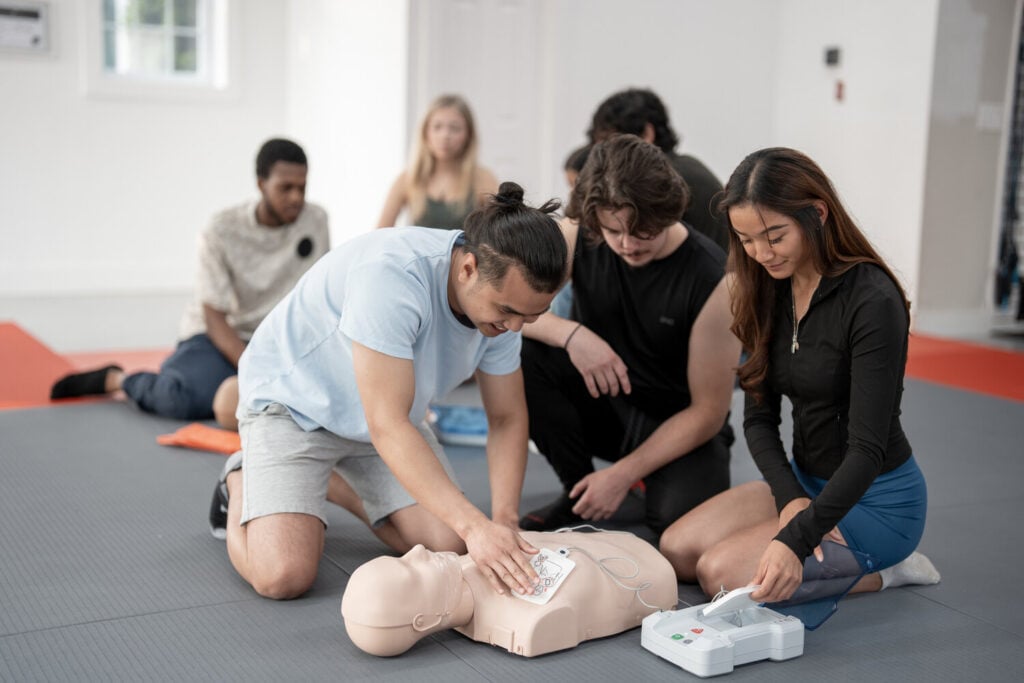
If an Automated External Defibrillator (AED) is available, use it as soon as possible. AEDs are designed to be used by members of the public and provide clear voice prompts that guide users through every step of the process. Early defibrillation, combined with effective CPR, gives people experiencing cardiac arrest the best chance of survival.
Following the DRSABCD action plan helps first aiders remain calm, organised and focused during stressful situations while ensuring that life-threatening conditions are addressed in the correct order.
Basic First Aid Principles
Every emergency is different, but a few habits apply to all of them. Stay calm. It’s easier said than done, but a calm first aider thinks more clearly, makes better decisions and helps settle the casualty and everyone around them. Keep yourself safe before helping anyone else, using gloves or a face shield where needed. An injured first aider helps nobody.
Call 000 early rather than waiting to see how things develop. Paramedics can start responding while you provide care, and the operator can guide you through what to do next. Deal with life-threatening problems first: blocked airways, absent breathing and severe bleeding always take priority over cuts, bruises and other minor injuries.
Finally, keep monitoring the casualty until help arrives. Their condition can change fast, so watch their breathing and level of consciousness, talk to them, explain what you’re doing and offer reassurance. Calm words do more than most people think.
What You’ll Learn in a Nationally Recognised First Aid Course
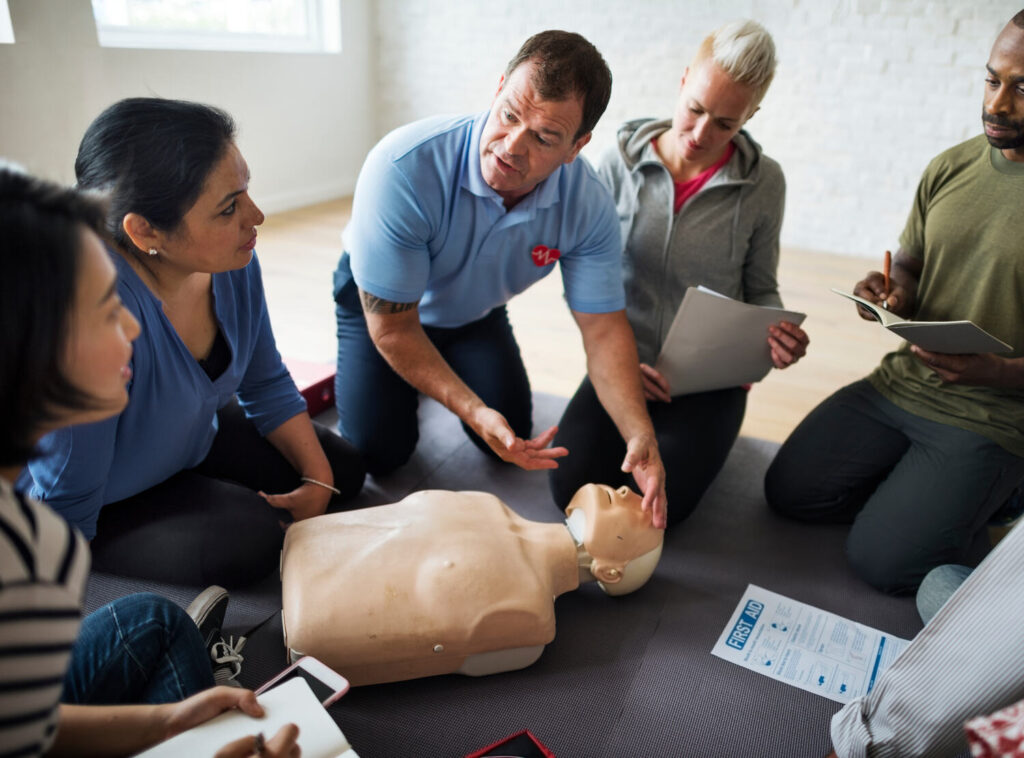
A nationally recognised first aid course combines online theory with hands-on practice, all based on current Australian Resuscitation Council guidelines.
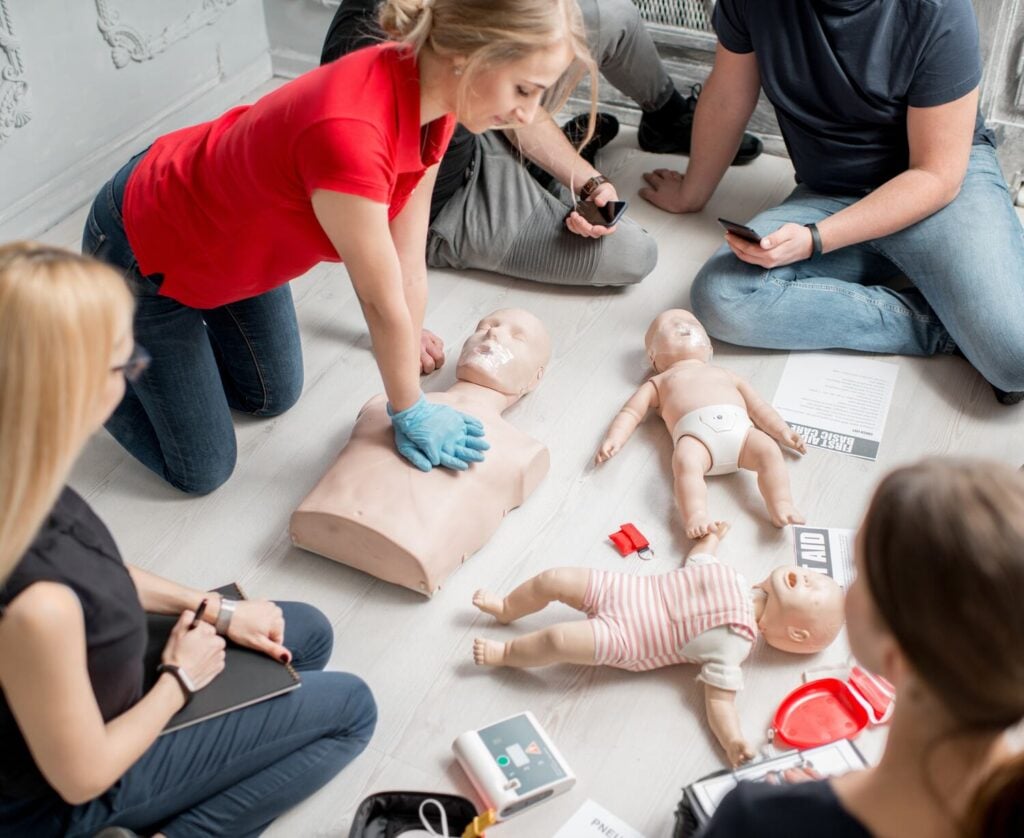
You’ll learn to work through the DRSABCD action plan, perform CPR on adults, children and infants, use an AED, and manage common emergencies like choking, bleeding, burns, asthma and anaphylaxis.
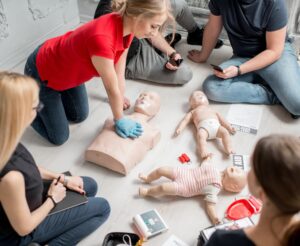
The practical scenarios are where it clicks. Practising on manikins in simulated emergencies builds the confidence to act when it’s real.
First Aid Training and Certification by National Courses
National Courses deliver practical, hands-on training led by experienced trainers. We offer multiple courses to either start a new career or help your loved ones. Choose the course that’s right for you:
- Provide Cardiopulmonary Resuscitation (CPR) (HLTAID009). Learn the essential skills required to respond to a life-threatening emergency, including how to recognise cardiac arrest, perform CPR correctly, and safely use an Automated External Defibrillator (AED). This course helps participants develop the confidence to provide immediate assistance until emergency services arrive.
- Provide First Aid (HLTAID011) + CPR. Gain the practical skills and knowledge needed to respond to a wide range of first aid emergencies in the workplace, home, and community. This comprehensive course covers CPR, wound care, burns, fractures, choking, medical emergencies, and other common situations requiring immediate first aid response.
- Provide First Aid in an Education and Care Setting (HLTAID012). Specialised first aid training for childcare educators, teachers, and school staff who are responsible for the safety and wellbeing of children. Learn how to respond to injuries, illnesses, and emergencies involving infants, children, and adults, including age-appropriate CPR and first aid techniques.
- Perform Rescue from a Live LV Panel (UETDRRF004). Combined CPR and low voltage rescue training for electricians, apprentices and anyone working near live electrical equipment. Learn how to safely rescue a person in contact with a low voltage source, isolate the power, and provide CPR and defibrillation once the casualty is clear.
Gain the practical skills and nationally recognised certification to respond confidently when it matters most. Explore our First Aid courses and book your training today.
Frequently Asked Questions
Should you move an injured person?
Generally no. Moving someone with a spinal, head or serious limb injury can make the damage worse. The exceptions are real danger, like fire, traffic or water, where leaving them in place puts their life at risk, or when an unconscious casualty needs to go into the recovery position to keep their airway clear.
If there’s no danger and the person is breathing, keep them still, keep them warm and wait for the paramedics.
Do you need someone's permission to give them first aid?
A conscious adult can refuse help, and you should respect that while still calling 000 if the situation looks serious. An unconscious person is a different story.
The law works on implied consent, meaning a reasonable person would want help in that situation, so you can treat them without asking. For children, seek a parent’s or guardian’s permission when one is present, but never delay life-saving care to find one.
What should a basic first aid kit contain?
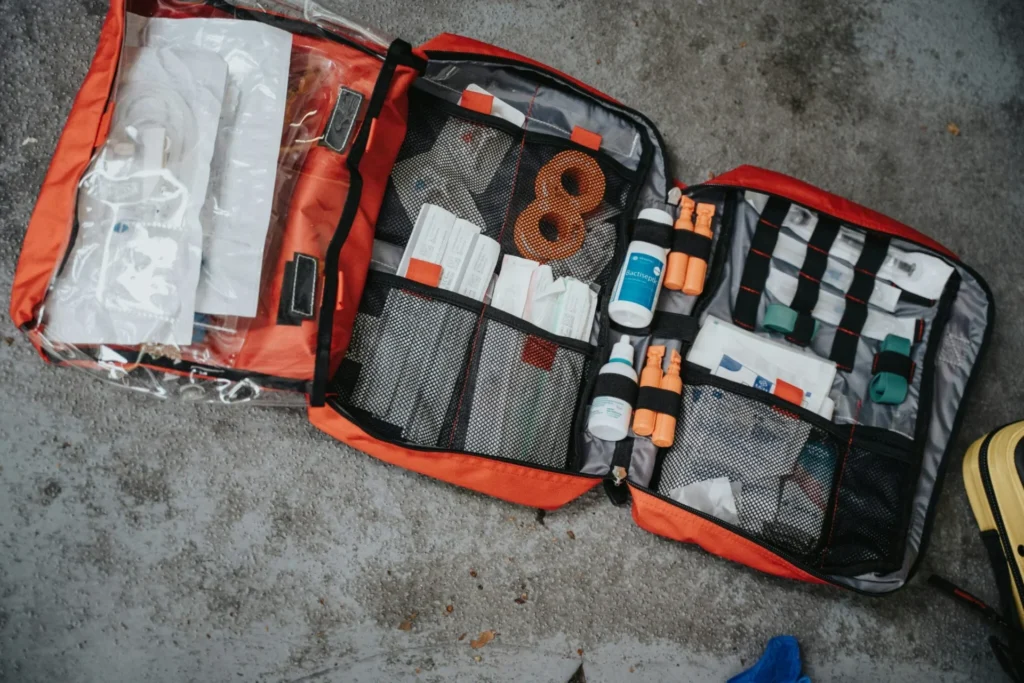
The essentials: adhesive dressings in a few sizes, sterile gauze, crepe bandages, a triangular bandage, wound closure strips, saline for flushing wounds or eyes, disposable gloves, scissors, tweezers, a CPR face shield and an instant cold pack.
Homes with kids should add a digital thermometer. Check the kit every few months, restock anything used and replace items past their expiry date, because sterile products don’t stay sterile forever.
How many first aiders does a workplace need?
There’s no single national number. Safe Work Australia’s guidance uses a risk-based approach: low-risk workplaces like offices typically aim for one trained first aider per 50 workers, while higher-risk sites like construction or manufacturing work on roughly one per 25.
Remote sites often need more because ambulances take longer to arrive. The employer carries the legal duty to work this out based on their specific risks.
Do first aid techniques change over time?
They do, and that’s a big reason refresher training exists. The Australian Resuscitation Council reviews its guidelines regularly as new evidence comes in, and details like compression rates, ratios and AED use have all been updated over the years.
Someone trained a decade ago may be working from outdated methods without knowing it. Keeping your training current means the techniques you’d use match today’s best practice.
Find your next course with National Courses
Ready to take the next step? Explore our short courses, choose your training location and check upcoming dates with our team.
National Courses Pty Ltd · RTO 41072.
Need a hand choosing? Call 1300 677 191.

Samuel Bohr

How Long Does a First Aid Certificate Last?
May 12, 2026
What is Standard 11 Training in Queensland? Complete Guide
October 15, 2026