



10 Best Entry-Level Mining Jobs in Australia in 2026
Mining is one of Australia’s best-paid and most in-demand industries. Right now, it’s also one of the most accessible.
In Short
- Mining demand is growing: Over 24,000 new workers will be needed by 2030 due to new projects, automation, and ongoing labour shortages.
- Entry-level roles are more accessible than ever: Jobs like nippers, drillers’ offsiders, camp housekeepers, and conveyor belt trainees rely on attitude, reliability, and communication more than experience.
- Get job-ready with core tickets: White Card, Provide First Aid, Manual Handling, and other National Courses certifications make you eligible for multiple mining roles.
- Career progression is real: Many entry-level employees move into supervisory, technical, or trade roles with on-the-job training and additional tickets.
A nationwide labour shortage means mine operators are looking beyond experience. Today, attitude, teamwork, and safety awareness often matter more than your CV, and these are skills most people already have.
The Australian Resources & Energy Employer Association predicts the sector will need over 24,000 new workers by 2030 to meet demand from new projects and automation expansions.
Entry-level roles today include camp housekeepers, nippers, drillers’ offsiders, and conveyor belt trainees. These are jobs that value reliability, communication, and a willingness to learn.
If you’ve got a strong work ethic, you’re already halfway there. In this guide, we’ll go through 10 of the most popular mining jobs to get into the industry.

Why Mining Is More Accessible Than Ever
Mining isn’t what it used to be. Automation, renewables, and a genuine shortage of workers have changed what getting started actually looks like.
Most entry-level roles now care more about attitude and safety awareness than experience, and a lot of companies will train you on the job.
A manual licence, White Card, and a first aid course is usually enough to get your foot in the door. Rosters are filling from retail, hospitality, construction. Anywhere, really.
The range of roles has grown too, from drone support and environmental field work to camp services and supply. There’s more room in this industry than most people realise.
10 Best Entry Level Mining Jobs in Australia
Here are 10 popular mining jobs you can get in Australia. These aren’t glamorous titles, but they pay well, come with real career paths, and you don’t need years of experience to land one. Some require a specific ticket or licence, others just need a good attitude and a willingness to show up. Here’s what’s actually out there.
1. Nipper (Underground Mine Assistant)
Average Salary: $90,000 – $110,000
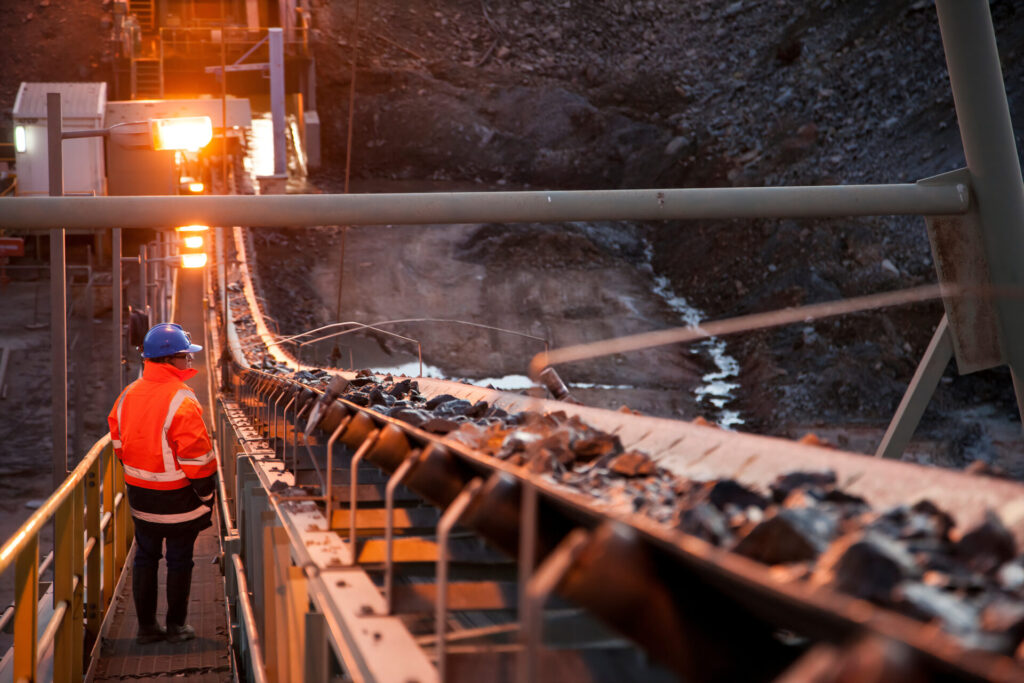
A Nipper is the backbone of any underground crew. You’re moving gear, staging materials, clearing work areas, helping set up lights and barricades, and keeping things running safely so the operators and tradespeople can do their jobs. It’s physical, fast-paced, and the most common way people break into underground mining.
You don’t need experience, but you do need a manual C-class licence, the ability to pass a site medical and drug test, and a White Card. Basic First Aid helps too. Companies run mostly 14/14 FIFO rosters and will often bring you on through labour-hire to start.
If you’re coming from construction, warehousing, or even hospitality, the shift work and teamwork experience carries over more than you’d think. Get your White Card and First Aid sorted before you apply, because it shows you’re serious, and it’s usually the difference between getting a callback or not.
2. Driller’s Offsider (Surface & Underground)
Average Salary: $116,000 – $130,000 (traineeship pathway)
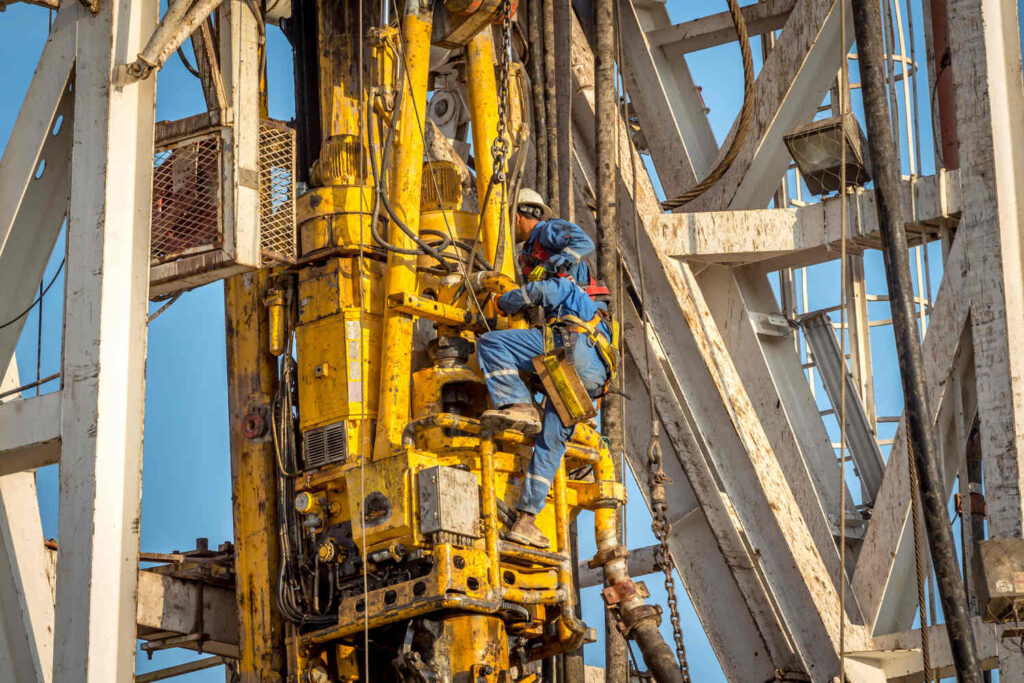
You’re the driller’s right hand on the rig. The job is about moving rods, monitoring drill fluids, recovering samples, keeping the area safe, and learning the trade from the ground up. It’s hard physical work in heat and dust, often in remote WA, but it’s one of the fastest routes into a well-paid drilling career. Experienced drillers can push well past $180k, and most offsiders get there through paid traineeships, so you’re earning while you’re learning.
A manual C-class licence is standard, and you’ll need clean work rights and a police check. Physical fitness matters here more than most roles. The days are long, you’ll do some heavy lifting, and you’ll spend the days outdoor. If you’ve done farm work, construction labouring, or anything with machinery and early starts, that background translates directly. Relocation is often part of the deal, especially for WA roles, so be upfront about that in your application.
Get your White Card and First Aid done, and target companies that run green or trainee-specific entry programs rather than chasing experienced-only ads.
3. Trainee Blast Crew Operator
Average Salary: $100,000 – $110,000
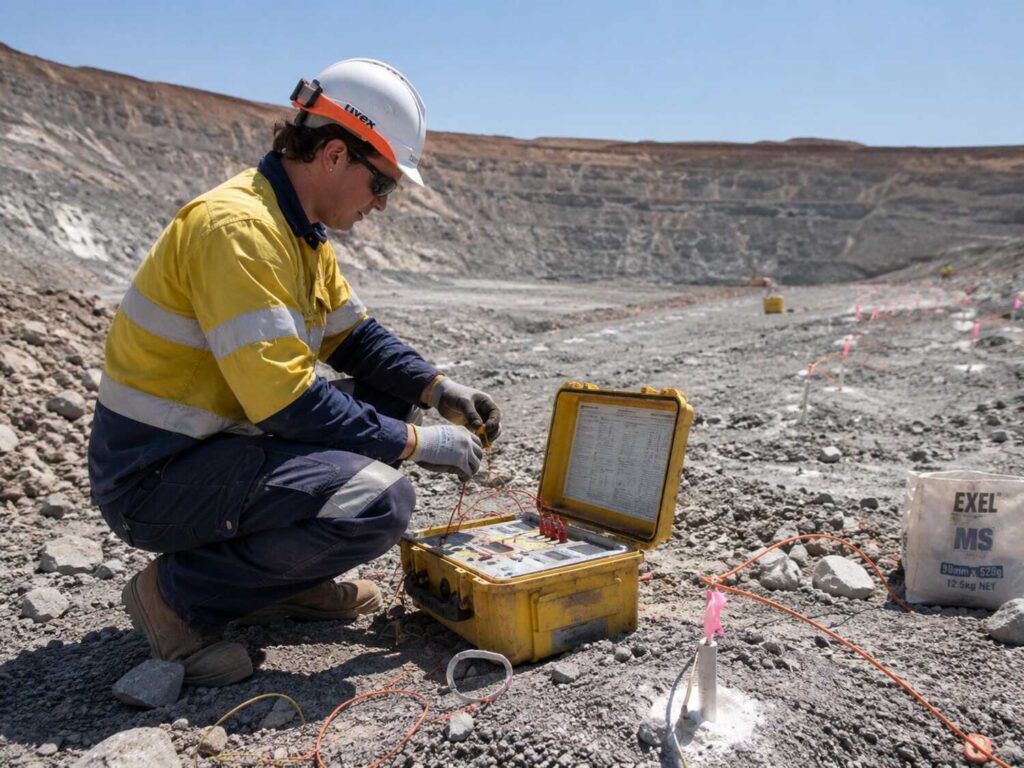
Blast crew trainees work alongside licensed operators, helping prepare blast sites, deliver explosive materials safely, support charging operations, and maintain the kind of precise records this work demands. You won’t be setting off charges on day one, because this is a structured, staged training process where safety and procedure come before everything else.
But for the right person, it’s a solid career path with strong pay from the start.
No specific tickets are required coming in, though a White Card and First Aid are standard. A police clearance is usually part of the hiring process. What companies are really hiring for is discipline, people who follow SOPs without cutting corners and take safety checks seriously. Backgrounds in construction, warehousing, or manufacturing all carry weight here because the habits are similar.
Explosives training is provided on the job. Rosters mix residential and FIFO options depending on the site and company.
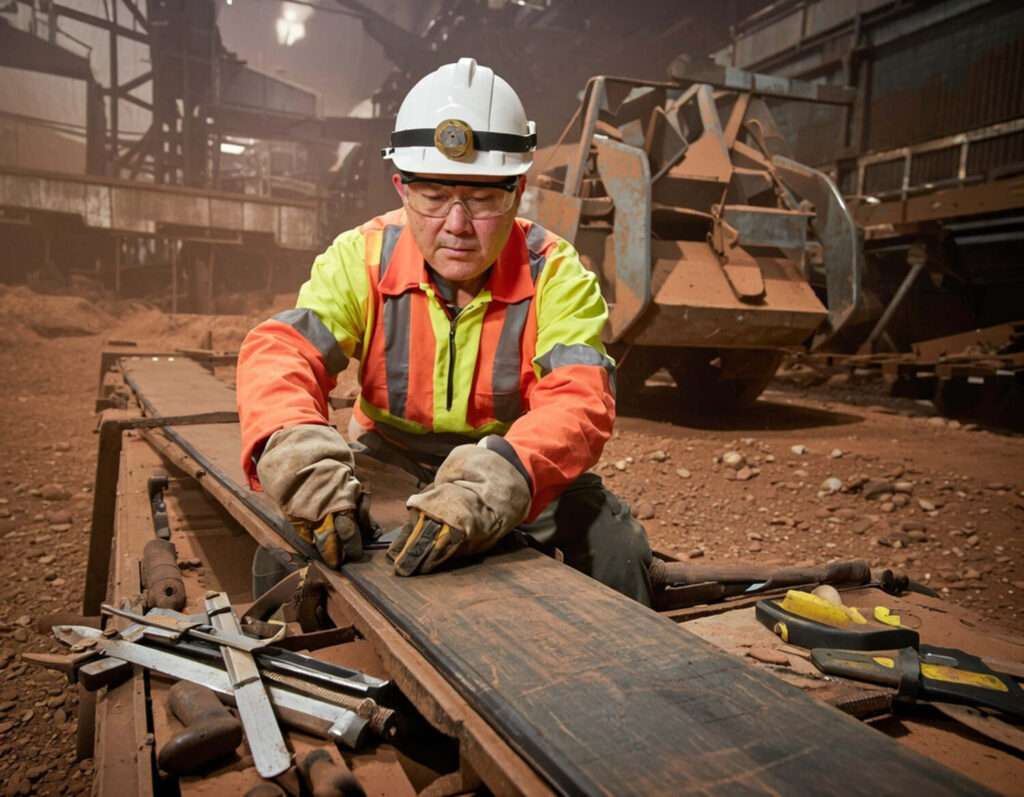
4. Conveyor Belt Splicing Trainee
Average Salary: $28 – $32 per hour (trainee rate)
Conveyor belt splicers install, splice, repair, and maintain the belt systems that keep mine sites running. It’s a specialist trade with a proper apprenticeship-style pathway, and demand for qualified splicers is consistent across the industry.
As a trainee, you’re starting in the workshop and on-site doing prep work, assisting with splicing and installation, and picking up the technical side as you go. Experienced splicers earn well above trainee rates once they’re qualified.
Just like other mining jobs in Australia, you’ll need a White Card and a driver’s licence, and you should be comfortable with tools, manual work, and long periods on your feet. Any workshop, mechanical, or trade support background helps a lot here.
The progression route usually runs through a Certificate III in Polymer Processing, which most employers will support you to complete. Apply to formal traineeship openings rather than experienced positions, and lead with any mechanical aptitude or hands-on work history you’ve got.
5. Underground Truck Operator
Average Salary: $90,000 – $120,000
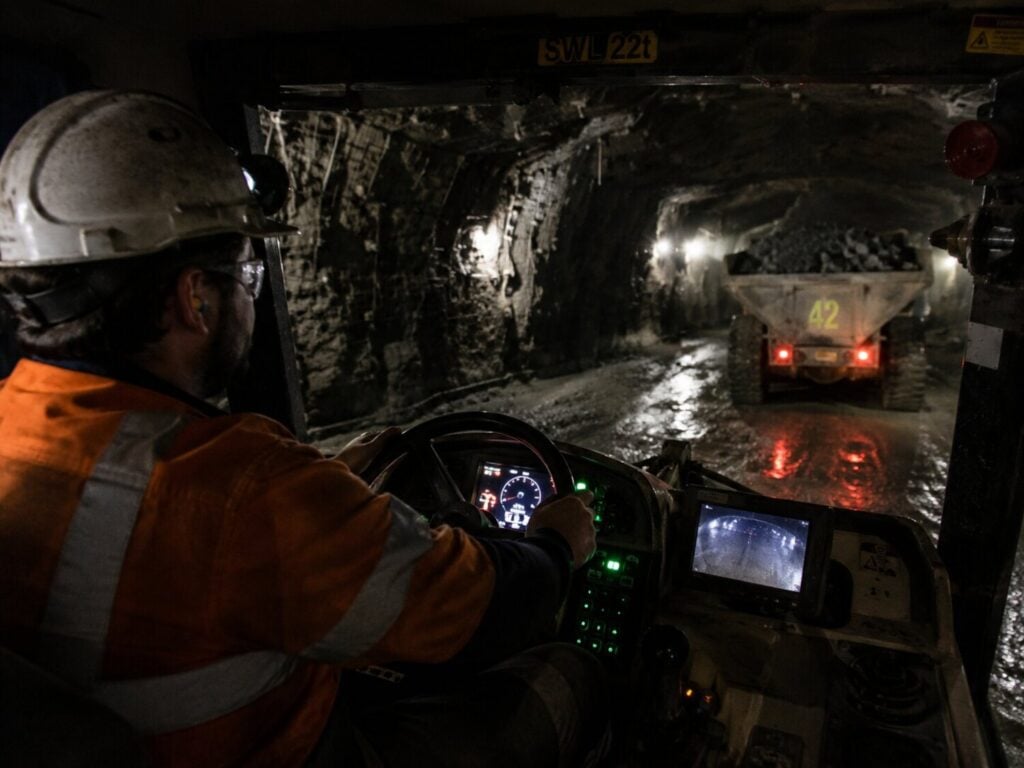
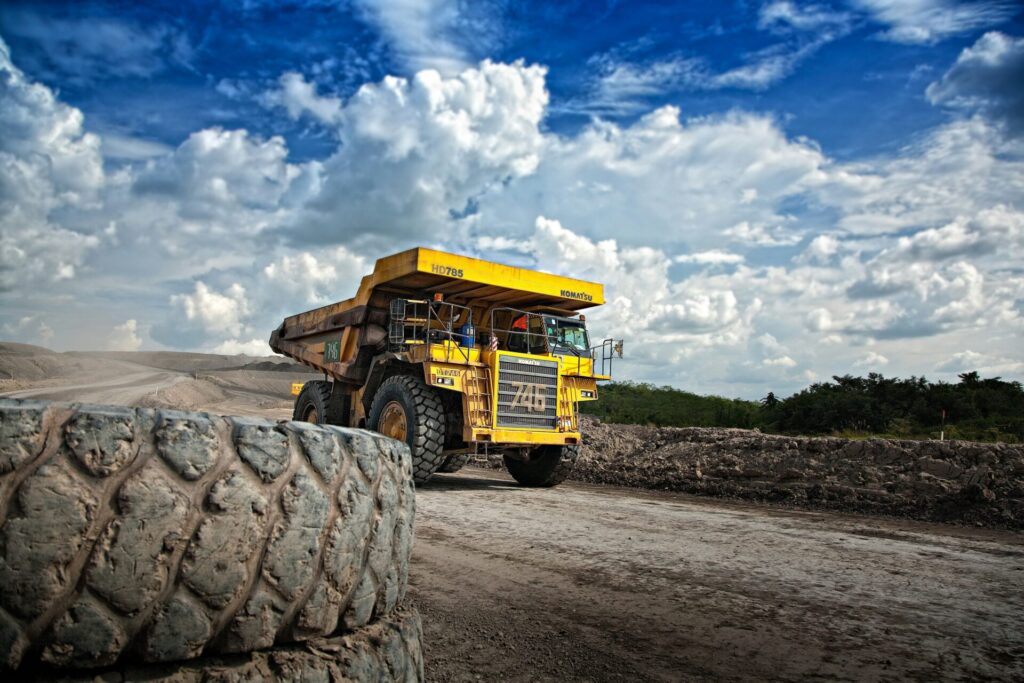
Underground truck operators move ore and waste through haul roads inside the mine, run daily equipment checks, and work closely with shift crews to keep material flowing safely. Most sites know new operators need time to get comfortable, so simulator training and on-site upskilling are pretty standard. You’re not expected to jump straight into a 50-tonne truck on day one.
You need a manual driver’s licence and must be over 18 with a clean medical and drug test. Spatial awareness matters more than people expect in these environments.
Rosters are commonly 7/7 with 12-hour shifts, and shift penalties push the pay up fast. If you’ve driven trucks or operated any kind of machinery before, lead with that. For residential roles, being local helps a lot. Be upfront about your roster flexibility and location, and show you’re ready to put in simulator hours.
6. Supply Chain Operations Trainee
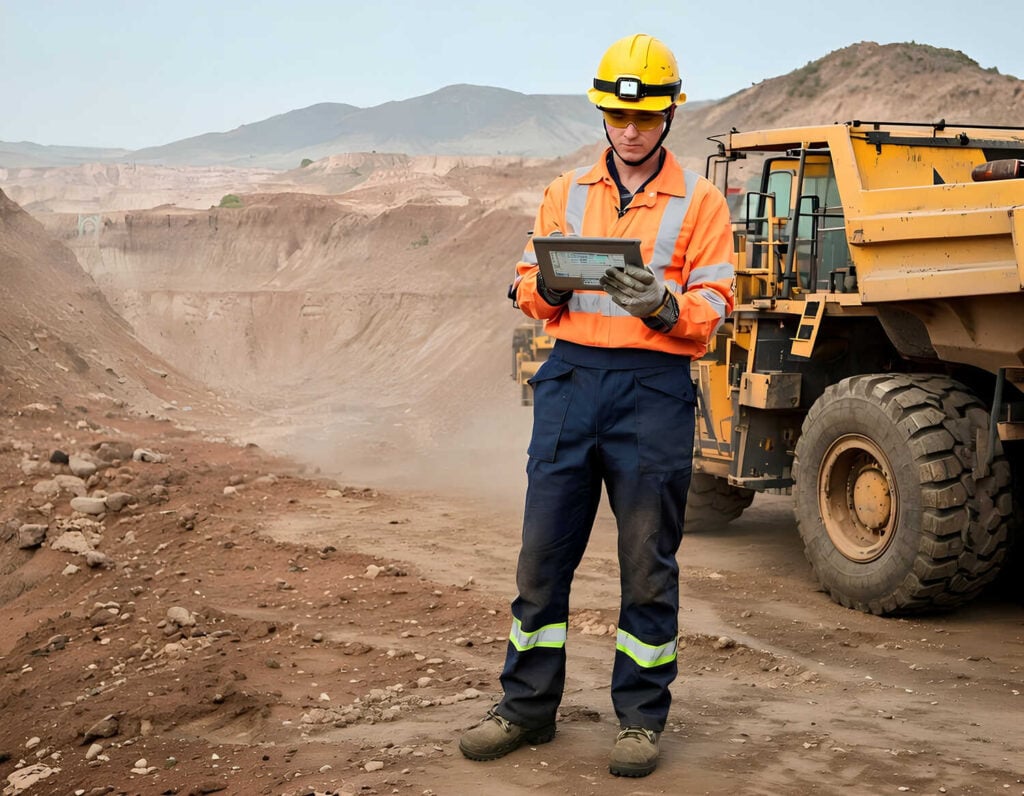
Average Salary: $85,000 – $100,000
Supply chain trainees handle the flow of goods on site: receiving and issuing stock, running inventory checks, maintaining documentation, and keeping the right materials in the right place so operations don’t grind to a halt. It’s structured, system-driven work that suits people who like order and routine. Most traineeships run through a Certificate III in Supply Chain Operations, so you’re working toward a formal qualification while you’re on the clock.
Basic computer literacy and good communication are the main requirements coming in. A forklift licence helps if you’ve got one. Some sites, particularly coal operations, require a Standard 11 induction and Coal Board Medical.
Rosters are typically 7/7 with 12-hour shifts. Warehousing, logistics, retail stockroom, or delivery driving backgrounds all slot in directly here. Highlight any inventory or record-keeping experience on your application, and make it clear you’re committed to finishing the traineeship.
7. Camp Housekeeper / Site Utility
Average Salary: $70,000 – $85,000
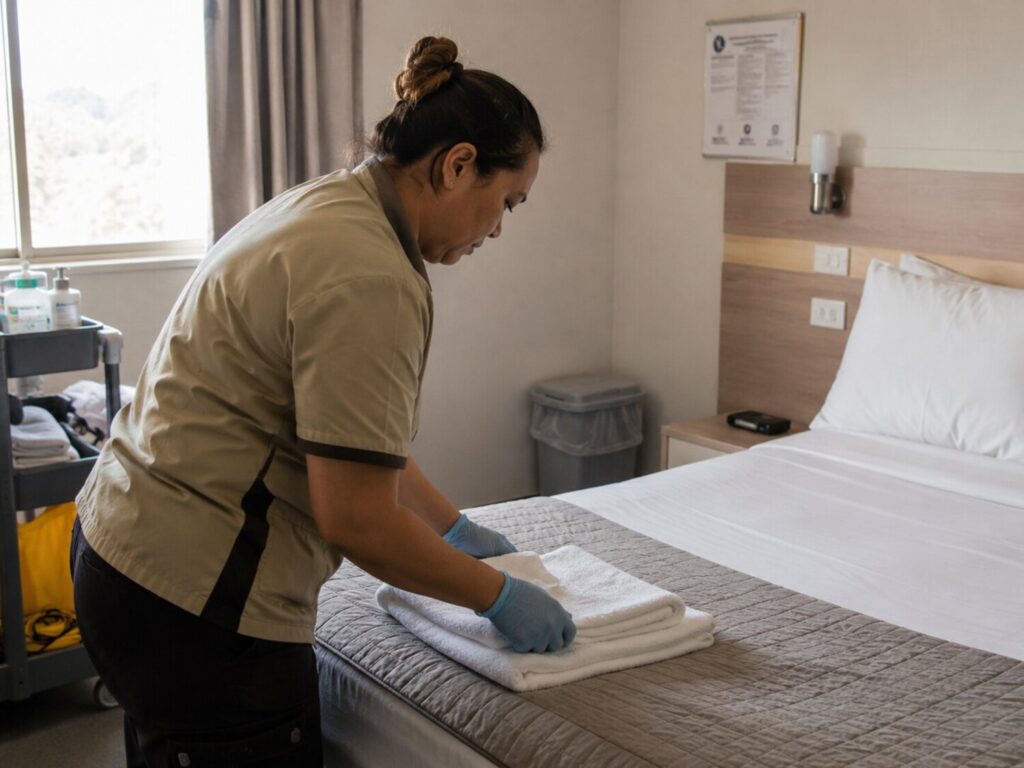
Camp housekeepers keep FIFO accommodation running: cleaning and turning over rooms, managing laundry, maintaining communal areas, and reporting any maintenance issues.
It’s not glamorous, but it’s one of the most accessible ways into FIFO life, and it can open doors to broader site services roles over time. The work itself is familiar to anyone who’s done hotel or domestic cleaning, just in a remote setting with a roster.
Reliability and attention to detail are what contractors hire for. Shifts mirror site schedules and include camp allowances, so the total package is better than the base rate suggests. A First Aid certificate is sometimes preferred.
Strong references that speak to punctuality go a long way here. If you’ve got hospitality or hotel experience, that’s a direct match. Coming in with zero experience is also fine as long as you can show up on time and follow a routine.
8. Core Yard Technician
Average Salary: $85,000 – $105,000
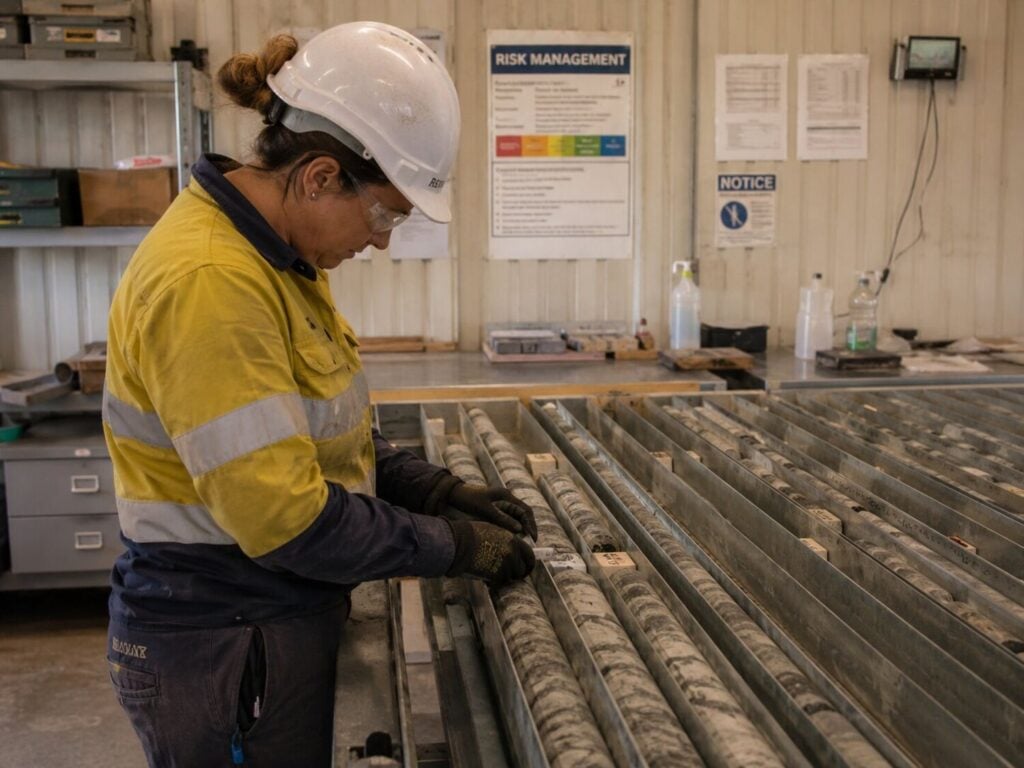
Core yard technicians look after the physical rock samples that come off the drill rigs. That means receiving core trays, cleaning and orienting samples, operating cutting saws to split rock for lab analysis, and keeping everything catalogued accurately for the geology team. It’s methodical, detail-driven work where one mislabelled sample can compromise an entire data set. If you like order and working through a system properly, this suits you well.
You need a manual licence and the physical fitness to lift and stack heavy trays all day. A forklift licence is a real bonus for yard work and worth getting before you apply.
Rosters run on 2:1 FIFO or residential patterns depending on the operation. Warehouse, stock control, production line, or data entry backgrounds all translate directly here. On your resume, lead with anything that shows you can follow strict processes without cutting corners, because that’s exactly what employers are screening for.
9. Exploration Field Assistant
Average Salary: $90,000 – $110,000
Field assistants, often called “fieldies”, work with exploration teams out in remote terrain. You’re driving 4WDs across rough ground, setting up temporary camps, clearing drill pads, collecting and labelling soil and rock samples, and acting as a safety spotter for the drillers. It’s outdoor, physical work in heat and dust, usually a long way from anywhere. The rosters reflect that, typically 2:1 or 3:1 FIFO or DIDO given how remote these camps get.
A manual C-class licence is non-negotiable here. Physical fitness matters a lot, and you’ll need a clean police check and a full pre-employment medical. If you’ve done farm work, station work, trade labouring, or anything that involves being outdoors and working with your hands in tough conditions, that carries real weight.
4WD training isn’t always required coming in, but it’s worth doing before you apply since exploration companies look for it. Put your licence, any 4WD hours, and your willingness to work in isolated locations right at the top of your CV.

10. Agitator (AGI) Truck Driver
Average Salary: $95,000 – $115,000
AGI drivers operate concrete mixer trucks on site, delivering shotcrete from the batching plant to underground or surface worksites. Shotcrete is what keeps tunnel walls stable, so it’s a critical part of how underground mines advance safely, and companies are always looking for reliable HR drivers to fill these roles. Day to day you’re running pre-start checks, monitoring mix consistency, keeping the drum spinning to stop the concrete setting, and washing down after each pour.
A Heavy Rigid licence is essential and a clean driving record matters more here than most other roles. If you’ve come from civil construction, local transport, or quarry work, the skills translate almost directly.
No mining background is fine as long as you have solid HR hours behind you and a safety-first attitude. On your application, highlight your vehicle hours, your driving record, and any experience looking after heavy equipment in tough conditions.
How to Get Job-Ready (Courses Help You Get There)
Getting started in mining isn’t about who you know — it’s about being site-ready and safety-qualified. Most entry-level mining roles list the same handful of mandatory or highly desirable tickets.
With the right short courses, you can tick those boxes fast and walk into an interview ready to work.
At National Courses (RTO 41072), we provide government-approved, face-to-face training designed to meet actual industry requirements.
Every qualification is nationally recognised, affordable, and issued on the same day you train — so you can move quickly from classroom to job site.
| Essential Course | Why It Matters | Recommended For |
|---|---|---|
| White Card | Mandatory for anyone entering a construction or mining site. Proves you understand hazard awareness, PPE, and site safety procedures. | All entry-level mining jobs |
| First Aid | Required on most remote or high-risk worksites. Shows you can respond to incidents and keep your team safe until medical help arrives. | All mining and FIFO support roles |
| Working at Heights | Essential for any role involving elevated platforms, ladders, or plant maintenance. Demonstrates you can work safely above ground level. | Conveyor Belt Splicer, Nipper, Blast Crew |
| Confined Space Entry | Required for underground and enclosed environments. Certifies that you can operate safely where ventilation, lighting, or access is restricted. | Underground Truck Operator, Driller’s Offsider |
| Manual Handling | Teaches correct lifting and handling techniques to reduce injury risk. Highly valued across all physically demanding mining jobs. | Housekeeping, Utility, Supply Chain Trainee |
| 4WD Training | Prepares you to safely operate 4WD vehicles in off-road, rugged, or remote conditions — often a requirement for FIFO and exploration teams. | Driller’s Offsider, Field Assistant, Nipper |
| Standard 11 Mining Induction | Mandatory for anyone entering a Queensland mine site. Covers core safety, emergency response, and environmental protocols. | All mining roles in QLD and interstate FIFO operations |
These short courses are designed to get you compliant fast — without wasting time or money.
Whether you’re coming from retail, construction, transport, or hospitality, these qualifications help you show employers that you’re ready for site life and committed to safety.
Frequestly Asked Questions
What tickets do I actually need before I apply?
A First Aid certificate and a manual driver’s licence cover most entry-level roles. Some positions need specific licences on top of that, like an HR licence for AGI driving or 4WD training for exploration work. Check the requirements for the specific role and get those sorted before you apply. It signals you’re serious.
How much can I realistically earn starting out? Most entry-level mining roles start somewhere between $80,000 and $110,000 depending on the role, roster, and allowances. Camp housekeeping sits at the lower end. Underground roles and traineeship pathways tend to push higher from the start. Shift penalties, site allowances, and overtime can add a lot on top of the base rate.
What’s the difference between FIFO and residential mining jobs?
FIFO means you fly to a remote mine site for your roster, with accommodation and meals covered on site. Residential means the mine is close enough to live locally and commute. FIFO pays more on average because of the isolation, but it means time away from home. Both have their trade-offs depending on your situation.
Is it worth doing a traineeship instead of applying for a job?
Usually, yes. Traineeships give you structured progression, a formal qualification, and in most cases you’re earning while you complete it. Roles like driller’s offsider and supply chain operations come with clear traineeship pathways that move you up faster than starting as a casual and waiting for opportunities to appear.
I have no relevant experience at all. Where should I start?
Camp housekeeping, the Nipper role, and supply chain traineeships are the most accessible starting points. They have the fewest hard requirements, and employers in these areas hire for reliability and attitude more than anything else. Get your First Aid done, sort your driver’s licence, and apply through labour-hire companies as well as direct. Labour-hire is one of the most common ways people get their first foot in the door.
Find your next course with National Courses
Ready to take the next step? Explore our short courses, choose your training location and check upcoming dates with our team.
National Courses Pty Ltd · RTO 41072.
Need a hand choosing? Call 1300 677 191.

Samuel Bohr

How to Get Into Civil Construction in Australia: Complete Guide
October 15, 2026
Start a Career in Construction, Civil, and Mining Fields
February 24, 2025
How National Courses Helped NSW Jobseekers Get a Job
April 30, 2025