


10 Popular Entry-Level Railway Jobs for Beginners in 2026
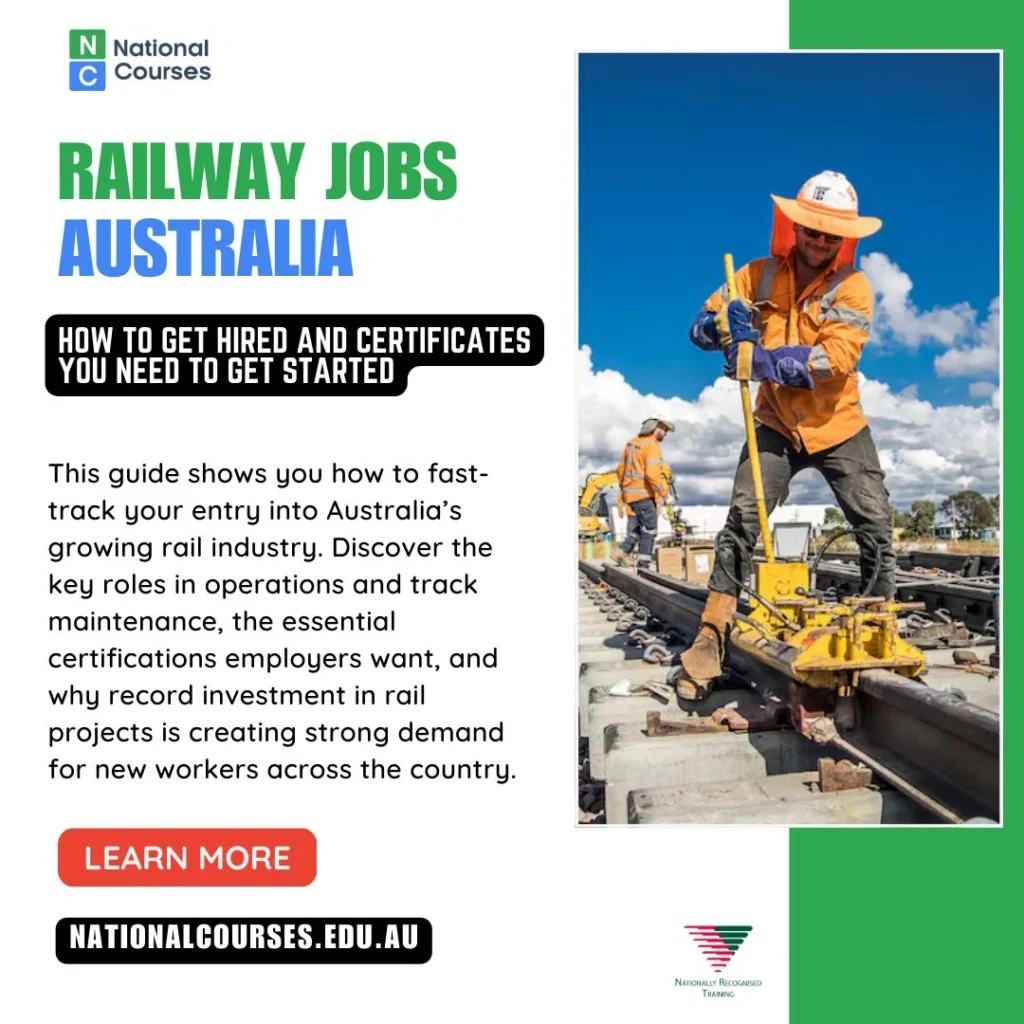
Australia’s rail industry is expanding rapidly. Across the country, billions are being invested into new metro systems, freight corridors, maintenance upgrades and major infrastructure projects. That growth is creating strong demand for entry-level rail workers.
In Short
- Entry-level rail roles are more accessible than ever. Many railway jobs now hire based on attitude, reliability and safety awareness rather than direct experience.
- Core safety tickets help you get hired faster. White Card, First Aid, RIW card and Traffic Control are among the most requested certifications.
- Strong career progression pathways: Many workers move from labouring and support roles into operations, supervision, signalling, safety or plant operation.
- Rail offers stable, long-term work. Large infrastructure projects create steady employment, shift allowances and competitive wages.
At the same time, labour shortages and an ageing workforce mean many employers are now hiring beginners into trainee and support positions where attitude, reliability and safety awareness matter more than direct industry experience.
Entry-level railway jobs today include track labourers, rail maintenance support workers, protection officers, yard assistants and signalling trainees. These are practical, hands-on jobs that can lead to long-term careers with excellent pay progression.
If you’re reliable, willing to work safely and open to shift work, you’re already closer than most people realise.
In this guide, we’ll break down 10 of the best railway jobs for beginners in Australia and explain what you need to get started.
Why Railway Jobs Are More Accessible Than Ever
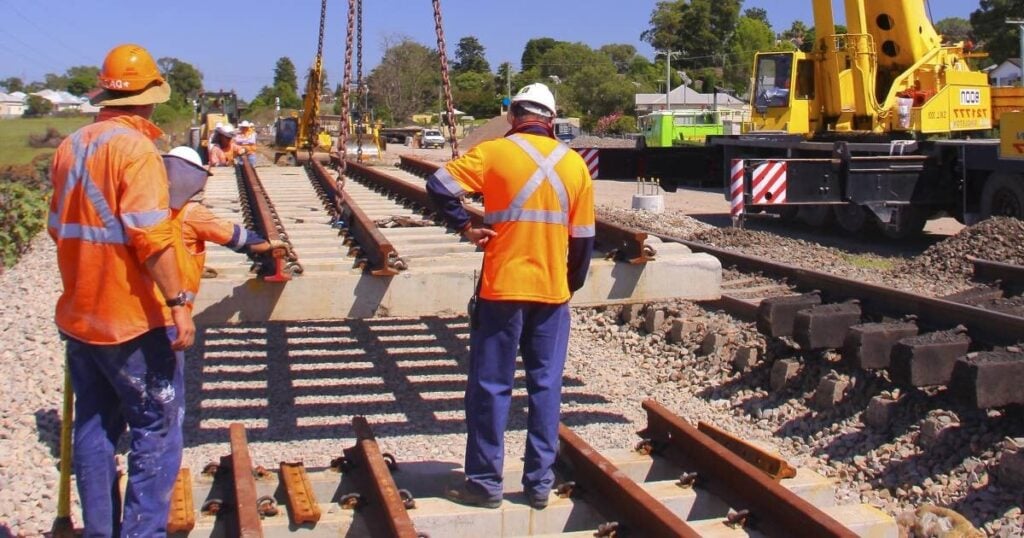
Rail infrastructure in Australia is going through a massive expansion phase. Major projects like metro rail upgrades, inland freight rail, regional maintenance programs and urban transport developments are creating constant demand for operational and maintenance workers.
At the same time, rail employers are struggling to fill rosters fast enough.
That’s why many companies now recruit people with no direct railway experience and provide role-specific training on site. For many entry-level railway jobs, employers care more about:
- Safety awareness
- Reliability
- Communication skills
- Shift flexibility
- Ability to follow procedures
A White Card, First Aid certificate and RIW card are often enough to make you eligible for trainee or labouring opportunities.
The variety of roles has also expanded significantly. Railway work today includes:
- Track maintenance
- Rail safety support
- Construction labouring
- Signalling support
- Yard operations
- Infrastructure maintenance
- Mobile plant operation
- Depot and workshop support
For people coming from construction, warehousing, transport, logistics, hospitality or labouring backgrounds, many existing skills transfer directly into rail.
10 Best Entry-Level Railway Jobs in Australia
Here are 10 railway jobs that regularly hire beginners across Australia. These roles offer strong pay, real career progression and structured pathways into long-term rail careers without needing years of experience to get started.
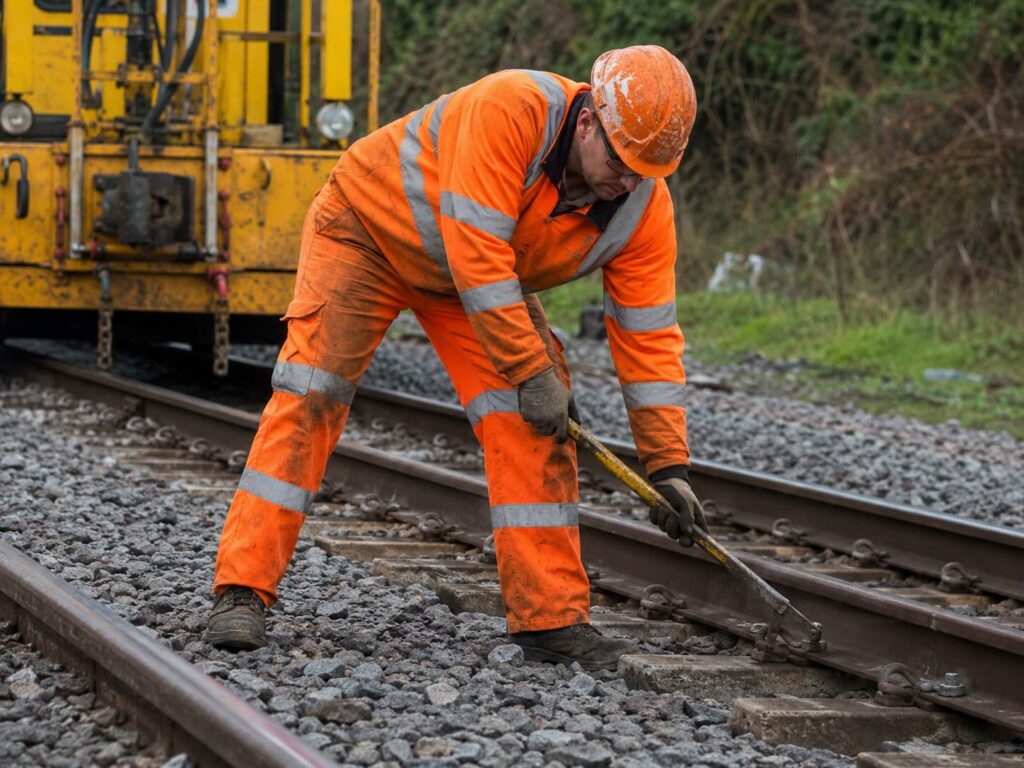
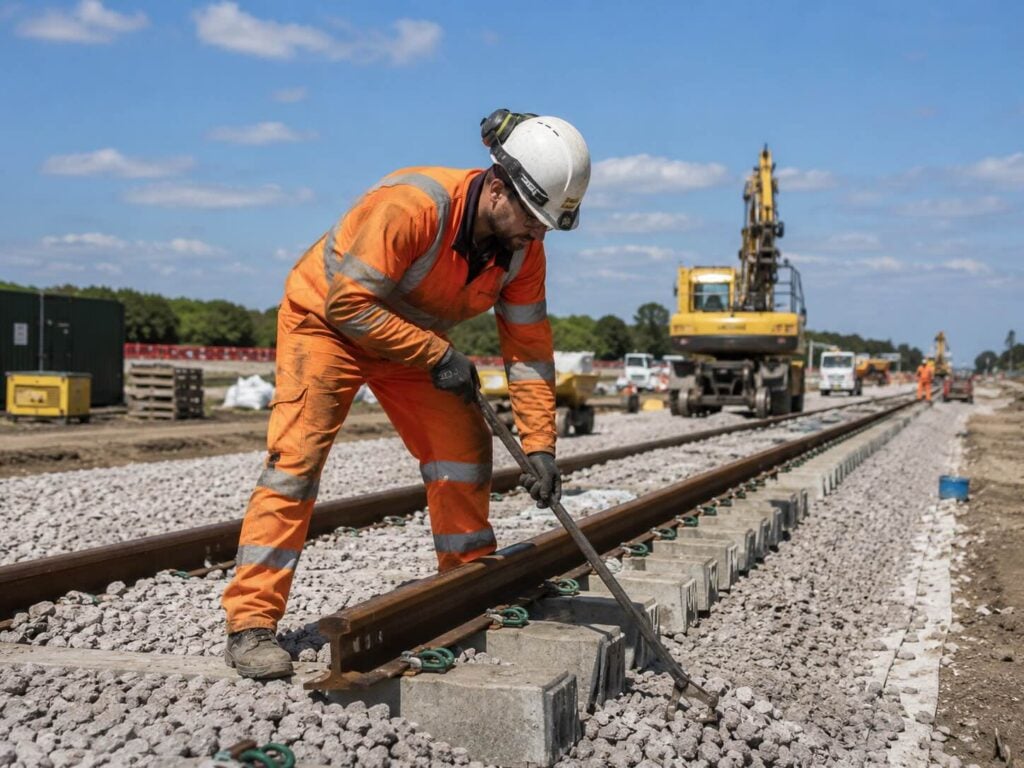
1. Track Labourer / Track Worker
Average Salary: $85,000 – $105,000
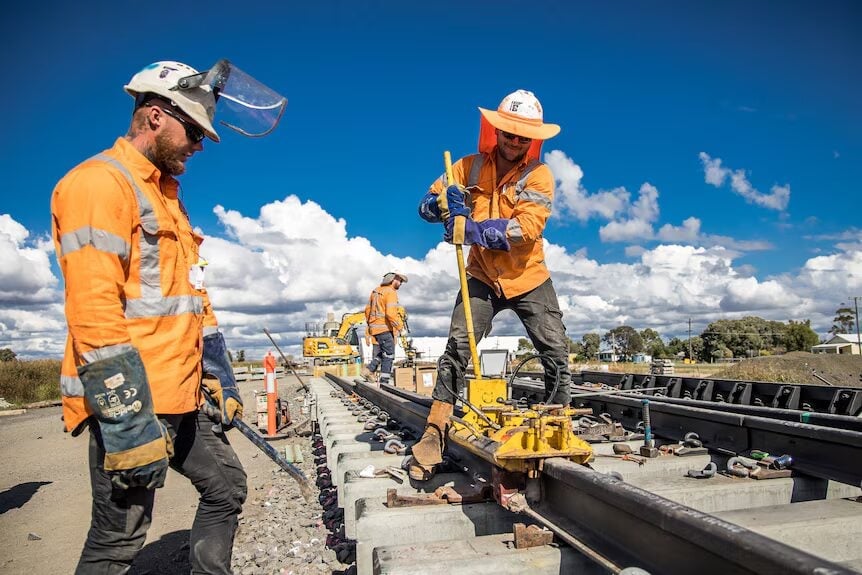
Track labourers work alongside rail maintenance crews repairing, replacing and maintaining railway infrastructure. Day-to-day tasks include carrying tools and materials, replacing sleepers, clearing ballast, assisting machine operators, and helping crews maintain safe working zones during rail shutdowns.
It’s physical outdoor work that suits people who are comfortable working in teams and following strict safety procedures. Most employers require a White Card, RIW card and First Aid certificate before starting. Traffic Control tickets can also help significantly because many rail worksites interact with road traffic.
Shift work is common, especially during overnight maintenance windows when sections of rail are temporarily shut down.
Construction labouring, warehousing, landscaping or civil work experience all transfer well into this role. If you want one of the fastest entry points into the rail industry, this is usually it.
2. Rail Maintenance Support Officer
Average Salary: $90,000 – $115,000
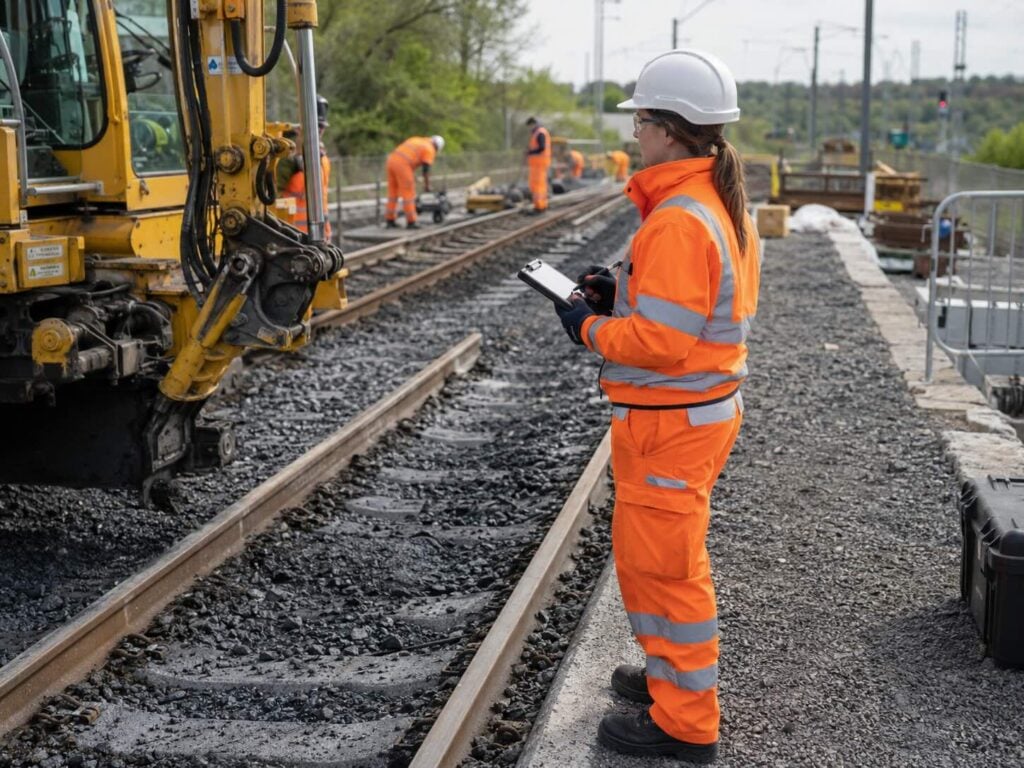
Rail maintenance support officers assist qualified rail maintenance crews with inspections, repairs, equipment handling and site preparation.
You may help transport tools, prepare work areas, assist with drainage maintenance, replace damaged components or support machine operators during shutdown projects.
Most employers provide role-specific training after you start, making this one of the more accessible entry-level railway jobs in Australia. A White Card and First Aid certificate are usually mandatory. Forklift, Working at Heights or basic mobile plant tickets can also improve your chances of getting hired.
The role suits people who are organised, safety-focused and comfortable working outdoors across changing environments. Many workers progress from support positions into plant operation, inspection or specialist rail maintenance pathways after gaining experience.
3. Rail Safety Lookout / Protection Officer Assistant
Average Salary: $90,000 – $110,000
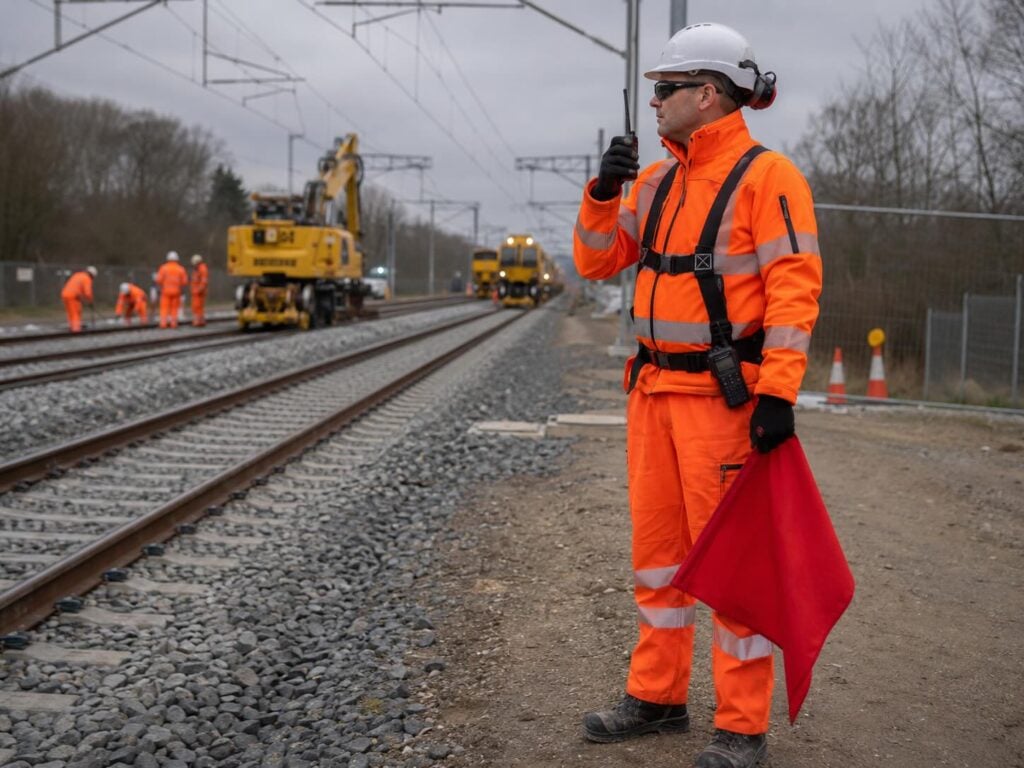
Rail safety lookouts help keep rail crews safe while work is being completed near active tracks. The role involves monitoring approaching rail traffic, communicating with crews, maintaining exclusion zones and ensuring shutdown procedures are followed correctly.
Safety is everything in this role.
Employers look for workers who can stay alert for long periods, communicate clearly under pressure and follow procedures without shortcuts.
Most companies require a White Card, RIW card and First Aid certificate before onboarding begins. Traffic Control training is highly regarded because many rail worksites operate alongside roads and public access areas.
This role can become a strong pathway into rail safety coordination or higher-level protection officer work over time.
4. Railway Yard Team Member / Shunting Assistant
Average Salary: $85,000 – $105,000
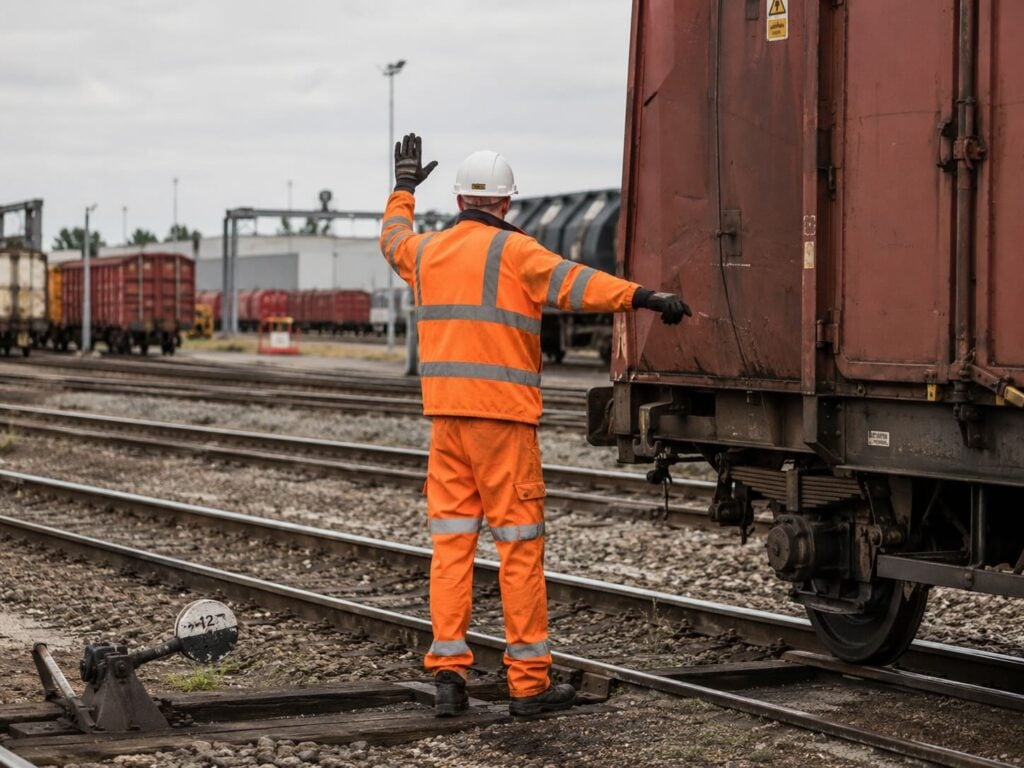
Rail yard assistants help manage the movement of rail freight, equipment and rolling stock inside rail depots and freight yards. Typical duties include coupling and uncoupling wagons, preparing rail cars, directing movements, assisting operators and maintaining safe working conditions around active equipment.
The work is shift-based and often runs across nights, weekends and rotating rosters.
Forklift tickets, manual handling experience and mobile plant familiarity can all improve your chances of getting hired into yard operations. Many employers recruit beginners into trainee positions because yard operations rely heavily on learning site-specific systems and procedures.
Warehousing, logistics and transport experience transfer especially well into these roles.
5. Rail Construction Labourer
Average Salary: $90,000 – $120,000
Rail construction labourers work on major infrastructure projects including new rail corridors, station developments, signalling upgrades and metro expansions.
You’ll assist civil crews with site preparation, concrete work, trenching, cable installation, fencing, material handling and general labouring tasks. Large infrastructure contractors regularly hire workers with no rail experience provided they already hold basic safety tickets.
A White Card is essential. First Aid, Working at Heights and Confined Space tickets can make applications much stronger.
Construction backgrounds translate directly into this environment because the work culture, safety expectations and physical demands are very similar.
Many people use rail construction labouring as a stepping stone into machine operation, supervision or specialised infrastructure work later on.
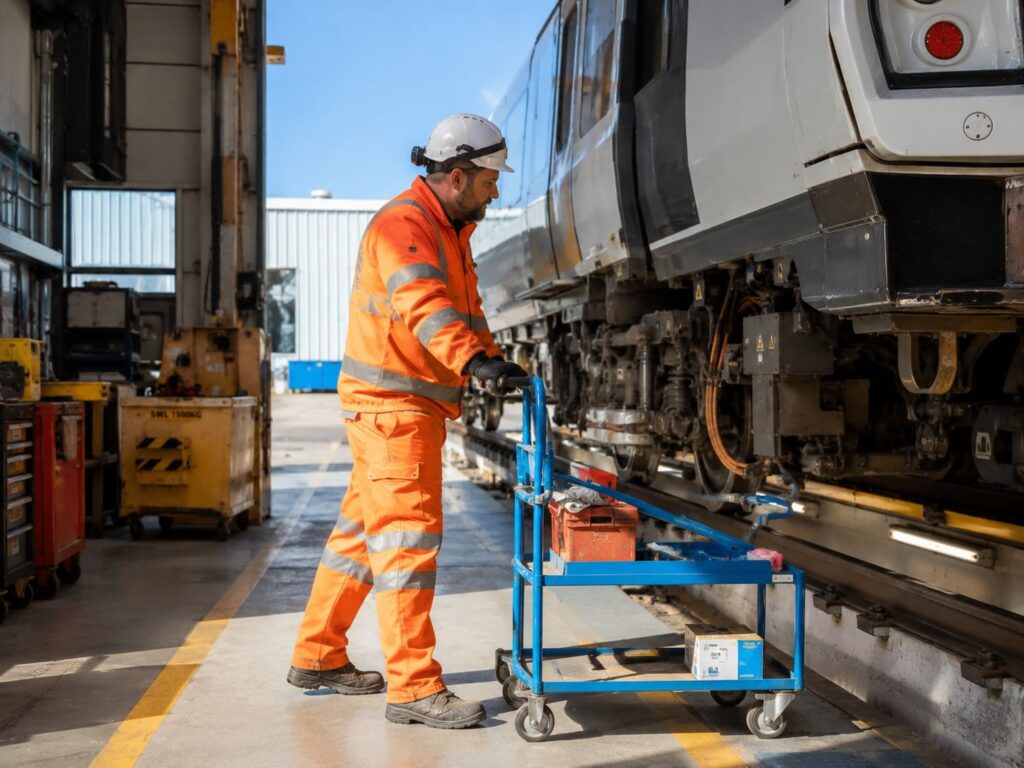
6. Depot / Workshop Support Assistant
Average Salary: $80,000 – $100,000
Depot support workers assist rail maintenance depots and workshops with equipment preparation, stock movement, cleaning, inventory handling and workshop support duties.
This role is less physically intense than track work but still requires strong safety awareness and attention to detail. Forklift licences are commonly requested because many depots rely heavily on pallet movement and materials handling.
You may also assist with parts management, workshop cleaning, loading deliveries and maintaining safety equipment across operational depots. Warehousing, logistics, stock control and trade assistant backgrounds all fit naturally into these positions.
For people wanting to enter rail without spending every shift outdoors, depot support roles are often a great starting point.
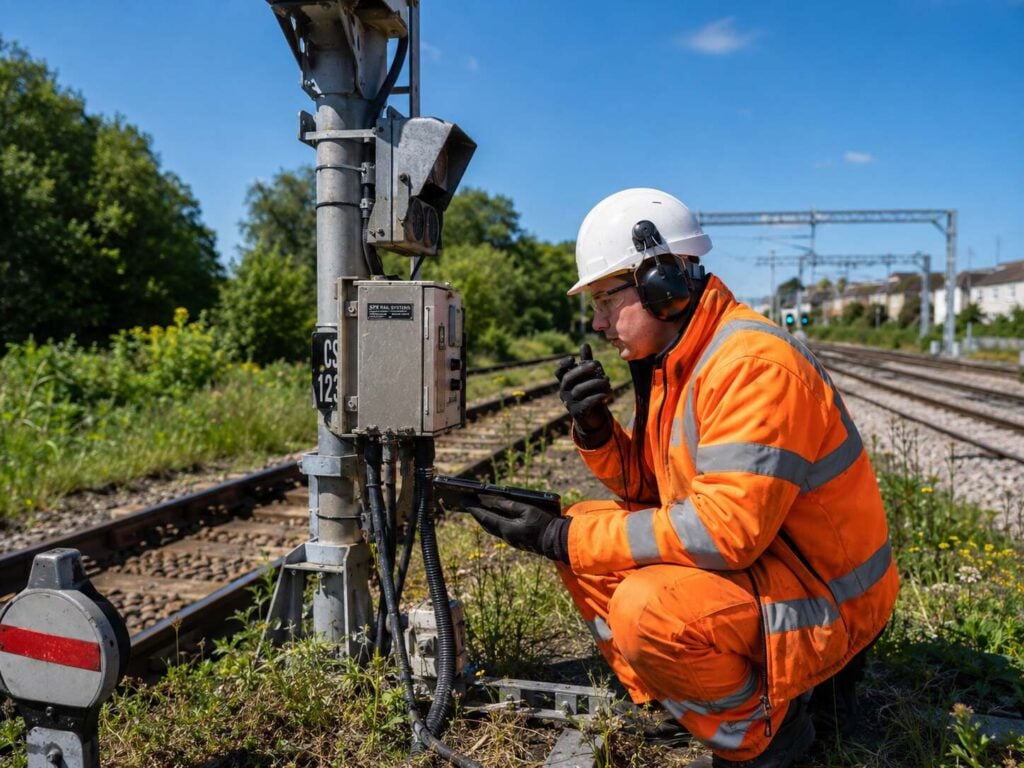
7. Signalling Trainee / Rail Communications Assistant
Average Salary: $95,000 – $120,000
Signalling trainees assist experienced technicians who maintain the systems that control rail traffic movement and network safety.
The work includes helping install signalling equipment, testing communication systems, running cables, preparing work areas and assisting with inspections during maintenance shutdowns.
While signalling eventually becomes highly specialised, many companies recruit entry-level assistants and provide extensive on-site training.
A White Card, RIW card and First Aid certificate are usually required before starting. Basic electrical aptitude or previous experience using tools can help significantly during recruitment.
This role suits people who enjoy structured work, technical systems and following detailed procedures carefully. Signalling pathways can eventually lead into some of the highest-paid technical careers within the rail sector.
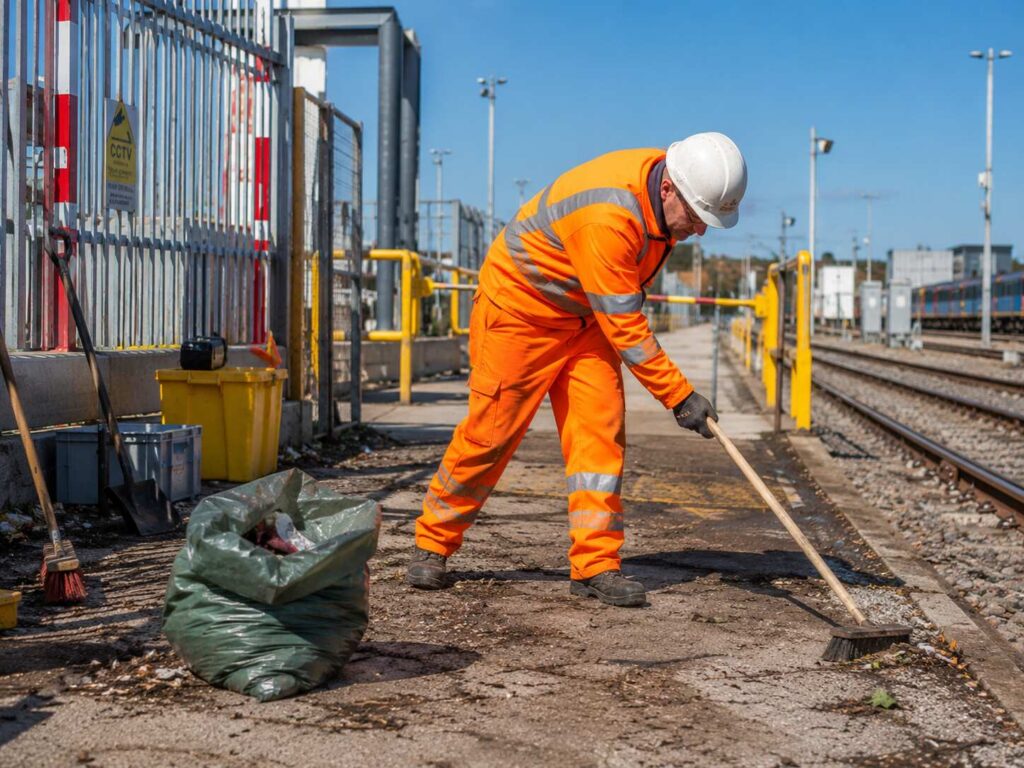
8. Rail Infrastructure Cleaner / Site Utility
Average Salary: $75,000 – $90,000
Rail infrastructure utilities and cleaners help maintain stations, depots, rail corridors and worker facilities.
Tasks may include cleaning work areas, removing debris, restocking safety equipment, maintaining amenities and supporting maintenance crews during shutdowns. It’s one of the most accessible ways into rail because employers often prioritise reliability, attendance and safety awareness over direct industry experience.
Shift work is common and many positions operate across rotating rosters. Hospitality, commercial cleaning and facilities maintenance backgrounds all transfer well into this environment.
Many workers use utility roles to gain site experience before moving into higher-paying operational or maintenance positions later. If you’re dependable and willing to work flexible shifts, this can be a very realistic entry pathway into the railway industry.
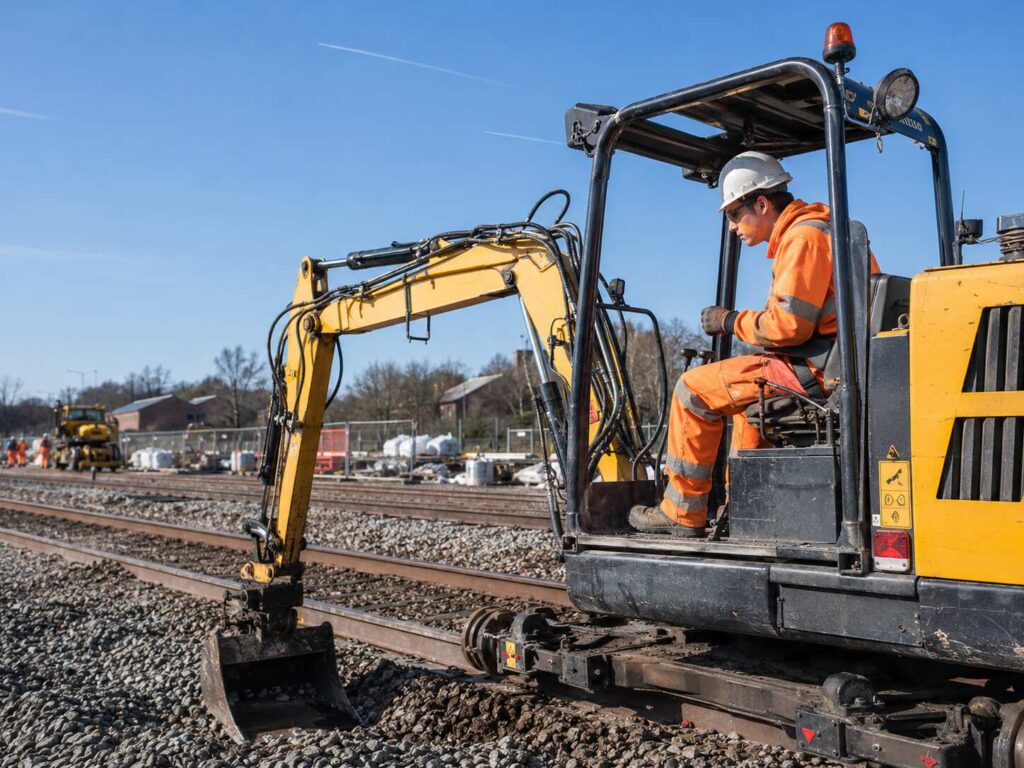
9. Rail Plant Operator Trainee
Average Salary: $100,000 – $130,000
Rail plant trainees assist operators working with specialised machinery used across construction and maintenance projects. This can include:
- Excavators
- Rollers
- Telehandlers
- Ballast regulators
- Rail-mounted equipment
- Small mobile plant
As a trainee, you’ll spend time assisting crews, observing operations, completing safety procedures and gradually learning machine operation under supervision. Many employers look for people with previous labouring, civil construction or machinery experience even if they haven’t worked in rail before.
A White Card is essential. Additional tickets like Working at Heights, Confined Space or basic plant licences can improve your chances considerably.
This role offers one of the strongest long-term earning pathways in rail infrastructure because experienced plant operators are consistently in demand.
10. Rail Logistics and Materials Coordinator (Entry-Level)
Average Salary: $85,000 – $105,000
Rail logistics support workers help coordinate the movement of equipment, materials and supplies across infrastructure projects and maintenance operations. Typical tasks include inventory control, organising deliveries, tracking equipment, assisting contractors and maintaining accurate records.
The role is highly organised and system-driven, making it ideal for people with warehousing, logistics or supply chain experience.
Forklift licences are commonly requested and strong computer literacy is increasingly valuable across modern rail operations.
Many rail projects operate across multiple locations simultaneously, so employers value workers who can communicate clearly and stay organised under pressure.
This role can eventually progress into procurement, logistics management or project coordination positions within major infrastructure companies.
What Railway Employers Look For (Even Without Experience)
Most entry-level railway jobs ask for the same core qualities. Even without rail experience, employers want workers who are reliable, safety-focused and ready to learn.
A full driver’s licence is pretty much non-negotiable since most rail projects run in industrial areas or overnight environments where public transport isn’t an option. You’ll also need to pass a rail medical covering drug and alcohol testing, vision checks and general fitness. On the tickets side, a White Card, First Aid certificate and RIW (Rail Industry Worker) card cover the baseline. Without the RIW card you won’t get onto most worksites, so sort that one first. A Traffic Control ticket or Forklift licence can help further down the track, especially for shutdown or yard-based roles.
Shift flexibility matters too. Rail runs overnight, on weekends and during shutdowns, and employers notice when you’re upfront about your availability. Safety awareness and clear communication round it out since rail environments are heavily regulated and there’s little tolerance for people who cut corners.
The good news is that plenty of roles are built for people with no rail background at all. Track maintenance, labouring and site support all come with on-the-job training, and experience in construction, warehousing or mining crosses over well. Starting pay typically sits between $80,000 and $120,000 depending on shifts and allowances, with real room to grow into plant operation, supervisory or technical roles over time.
For most employers, attitude matters more than technical ability when hiring beginners.
Pay, Career Progression and Lifestyle
Railway jobs are often much more stable than people expect. Large infrastructure projects can run for years, creating long-term employment opportunities across maintenance, operations and construction.
As workers gain more tickets, experience and competencies, pay rates often increase quickly. Many workers who begin in labouring or support positions eventually move into:
- Plant operation
- Rail safety coordination
- Signalling
- Supervision
- Logistics
- Technical maintenance
- Infrastructure inspection
Shift penalties, overtime and shutdown work can also significantly increase annual earnings. Some regional and remote projects offer drive-in/drive-out arrangements, accommodation allowances and roster flexibility depending on the employer and location.
For workers looking for stable income, long-term infrastructure careers and strong progression opportunities, rail can become an extremely rewarding industry.
Tips for Getting Your First Railway Job
Breaking into rail is often about preparation more than experience. Here’s what actually moves the needle.
First, get your tickets sorted before you even start applying. White Card, First Aid, and RIW are the basics employers want to see, and having them done signals you’re serious and ready to start. Most candidates wait until after they get a job offer. Don’t be that person.
Your background matters more than you think, too. If you’ve done labouring, logistics, warehousing, or any kind of construction work, you’ve already got skills that cross over. Put teamwork, safety awareness, and physical work history front and centre on your resume.
Rail runs around the clock, so being flexible about shifts is a genuine advantage. Nights, weekends, shutdowns. If you can work them, say so clearly in your application. It’s a simple thing that a lot of people forget to mention.
Labour-hire agencies are also worth your time. A huge number of rail workers get their first gig this way, so register with a few infrastructure and rail recruitment agencies rather than putting all your eggs in one basket.
Finally, keep your resume short and practical. Rail recruiters move fast, so lead with your licences, tickets, reliability, and work history.

Frequently Asked Questions
What tickets do I need before applying for railway jobs?
The three you want sorted before applying are a White Card, First Aid certificate, and RIW (Rail Industry Worker) card. These cover the baseline for most entry-level roles, and having them done before you apply puts you ahead of a lot of the competition.
The White Card can usually be knocked out in a day. First Aid takes a bit longer. The RIW card is your site access ID for rail specifically, and without it you won’t get onto most worksites.
If you want to go further, a Traffic Control ticket or Forklift licence can help, especially for shutdown or yard-based work. If budget is tight, prioritise the RIW card first and work through the rest from there.
Do railway jobs hire people with no experience?
Yes. Rail has constant demand at the ground level, and plenty of roles are built for people coming in without a rail background. Track maintenance, labouring, ballast work, and general site support are all areas where on-the-job training is standard.
What employers actually want at entry level is reliability, a solid safety attitude, and some history of physical work. Construction, warehousing, mining, and outdoor labouring all cross over well. Get your tickets in order, keep your resume clean and honest, and be flexible with shifts. That combination gets results.
How much can beginners earn in railway jobs?
Most entry-level roles sit between $80,000 and $120,000 depending on the project, shifts, and allowances. Shutdown work and night shifts can push that number up considerably thanks to penalties and loading.
Coming in through labour hire might mean slightly different rates at first, but it’s still well above comparable labouring work outside the industry. As you add tickets and experience, your earning potential climbs steadily from there.
Are rail jobs physically demanding?
Yes. Most entry-level roles put you outdoors for long stretches, often at night or in rough conditions. You’ll be on your feet, moving materials, and working around live machinery for full shifts.
The industry takes safety seriously, so it’s less about being built like a footballer and more about keeping up consistently without cutting corners. If you’ve done manual work before, you’ll adjust quickly. If not, getting your body used to being active for eight-plus hours before your first week on site makes the transition a lot easier.
Can railway jobs lead to long-term careers?
Absolutely. Workers who start in labouring or maintenance regularly move into plant operation, traffic management, or supervisory roles within a few years. Others go the technical route into signals, electrical, or engineering support.
Australia’s rail sector also has serious infrastructure investment locked in for years to come, so the growth and job security are real. Getting in at ground level now puts you in a solid position as the industry keeps expanding.
Find your next course with National Courses
Ready to take the next step? Explore our short courses, choose your training location and check upcoming dates with our team.
National Courses Pty Ltd · RTO 41072.
Need a hand choosing? Call 1300 677 191.