
How to Get a FIFO Site Utility Job on a Mining Site
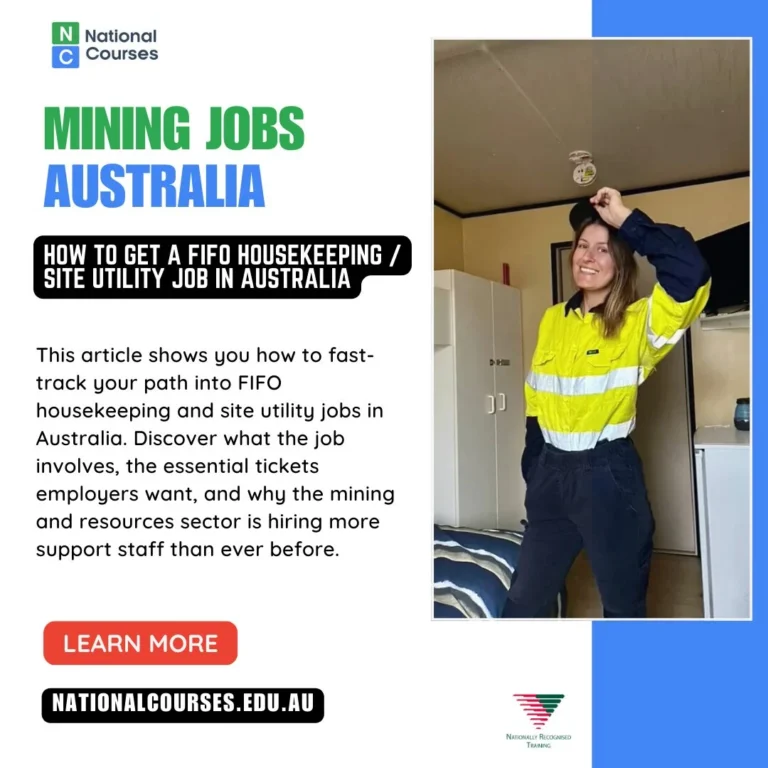
While many people think of mining jobs as operating heavy machinery or working underground, there’s also strong demand for FIFO cleaning jobs, FIFO housekeeping jobs and site utility roles that don’t require a trade qualification.
In Short
- FIFO housekeeping is in demand: Mining and resource projects across Australia rely on large site camps that need cleaning and maintenance staff.
- Quick entry with short courses: Roles like housekeeping, kitchen hand or utility often only need a few nationally recognised tickets to start.
- Essential tickets boost your chances: White Card, First Aid, and Food Safety are common requirements that make your application stronger.
- FIFO lifestyle comes with perks: Competitive pay, free accommodation and meals, plus flights to and from site covered by the employer.
- Room to progress: Many housekeeping staff move into higher-paid utility or camp management roles with further training.
Australia's mining and resources industry relies on thousands of workers to keep remote accommodation villages clean, safe and running efficiently.
These positions are often one of the easiest ways to break into the FIFO industry. Many employers provide accommodation, meals and flights, offer competitive salaries, and recruit people from hospitality, commercial cleaning, hotels, healthcare and customer service backgrounds.
Whether you're looking for your first entry-level FIFO role or planning a long-term career in mining, there are plenty of opportunities available across Australia's remote mining camps.
What is a FIFO Housekeeping / Site Utility Role in Australia?
FIFO stands for Fly-In Fly-Out. In the mining and resources sector it means you’re flown to a remote site for a set roster, commonly 2: weeks on, 1 week off (or something similar), and stay in on-site accommodation for your shift block.
Housekeeping and site utility workers keep camps running: they clean rooms and common areas, support the kitchen and laundries, move supplies, and complete general facility tasks.
These positions offer competitive pay, regular rosters and the chance to work for Australia’s biggest mining contractors without needing heavy trade qualifications.
What a FIFO Housekeeping or Site Utility Job Involves
The job is hands-on and fast-paced. Each day can vary depending on the site’s needs. Typical duties include:
- Cleaning of crib rooms, ablution blocks and accommodation units
- General housekeeping across camp and admin areas
- Basic kitchen hand tasks such as meal prep and dishwashing
- Laundry duties and linen changes
- Groundskeeping and general labouring tasks
- Waste collection, stock replenishment and tidiness
- Assisting camp managers or supervisors as needed
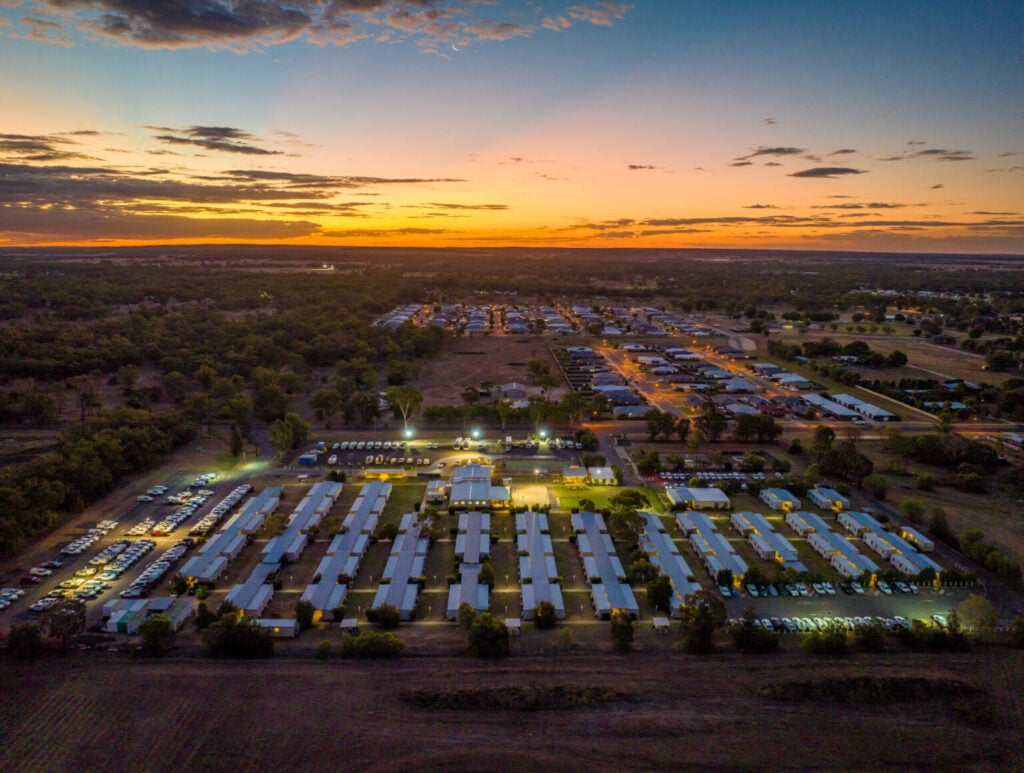
Work environments are usually remote camps with full board, which means meals, accommodation and flights are included.
You’re part of a team that keeps the camp functioning so production crews can focus on the mining work. Below is a quick look at a day-in-the-life of a housekeeper or utility worker on a mining site in Australia:
Key Skills and Personal Attributes Employers Look For
Employers in this industry prioritise reliable, hardworking individuals who can handle remote working conditions. Important attributes include:
- Physical fitness: You’ll be on your feet most of the shift doing cleaning and lifting.
- Attention to detail: Clean, safe and hygienic environments are crucial on site.
- Teamwork and independence: Being able to follow instructions and also work unsupervised.
- Adaptability: No two days are the same; you might swap between kitchen, laundry and cleaning tasks.
- Safety awareness: Understanding site rules and reporting hazards quickly.
Essential Certifications & Requirements
Before you can be mobilised to site, you’ll generally need to show you’ve completed key certifications and are medically fit. These include:
| Requirement | Why It’s Needed |
|---|---|
| White Card (Construction Induction) | Mandatory for anyone working on construction or mining sites in Australia. Shows you understand safety basics. |
| C Class Driver’s Licence | Allows you to drive vehicles or buggies around camp; often required for mobilising. |
| Pre-Employment Medical + Drug/Alcohol Screen | Ensures you’re physically fit and can work safely in a remote environment. |
| Police Clearance (if requested) | Shows you meet the company’s security and compliance requirements. |
| FIFO Mobilisation Readiness | Being available and organised to travel at short notice when rosters change. |
Completing these requirements before applying makes you more competitive and speeds up your deployment once you’re hired.
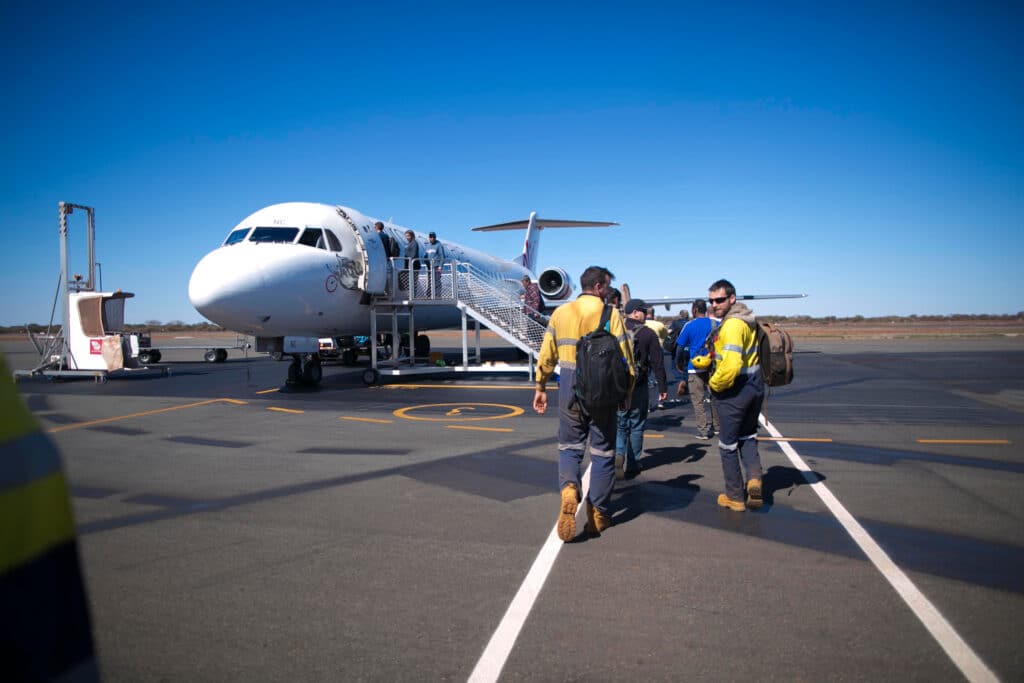
10 Best FIFO Cleaning & Housekeeping Jobs
Below are ten of the most common FIFO cleaning jobs, FIFO housekeeping jobs and site utility roles in Australia. You’ll learn what each position involves, typical salary expectations and the qualifications that can improve your chances of getting hired.
1. FIFO Housekeeper
Average Salary: $75,000–$95,000 per year
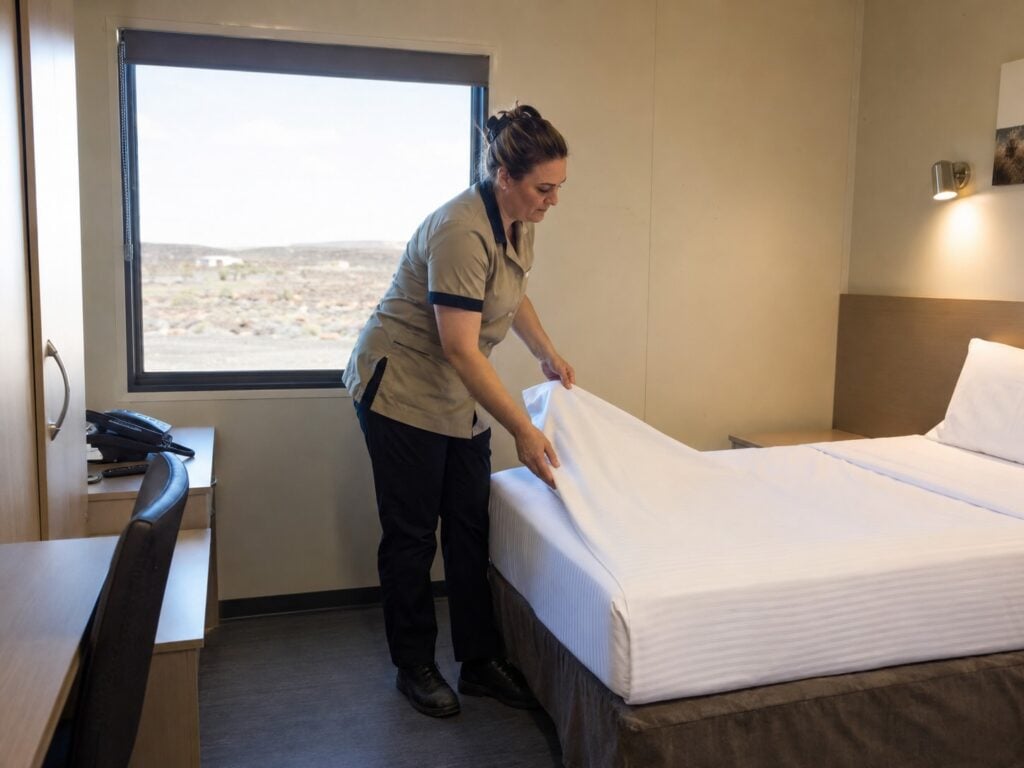
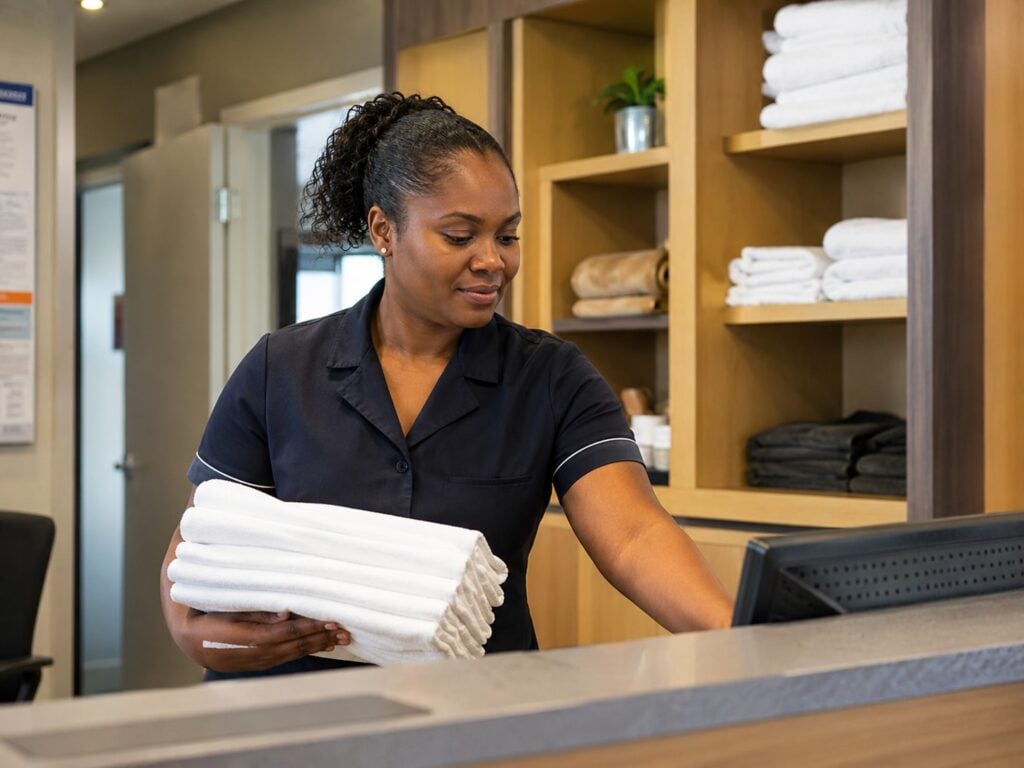
FIFO housekeepers are responsible for cleaning accommodation rooms, bathrooms and shared facilities at remote mining camps. You ensure workers return to clean, hygienic rooms after long shifts.
Day-to-day, you’ll be cleaning bedrooms and ensuites, vacuuming and mopping floors, replacing linen and towels, restocking amenities, and flagging any maintenance issues that need attention.
Many employers look for applicants with experience in hotels, resorts, hospitals or commercial cleaning, although entry-level positions are regularly available. It’s a well-worn path into the resources industry, and strong performers regularly move into team leader roles within the first couple of years.
2. FIFO Cleaner
Average Salary: $75,000–$100,000 per year
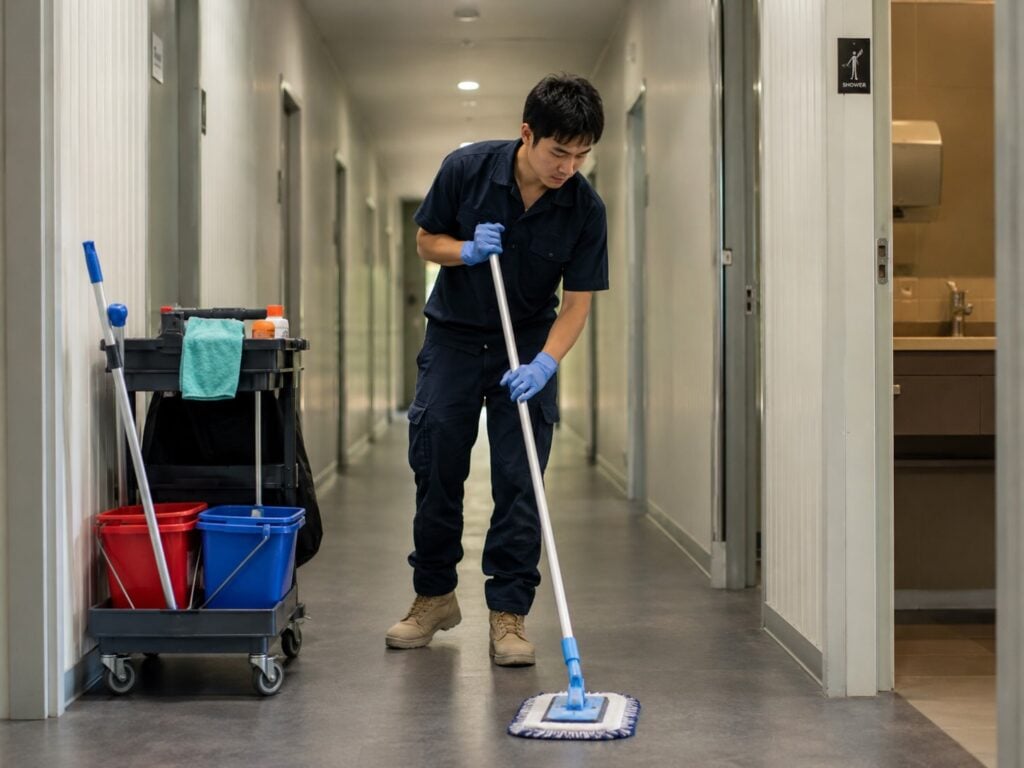
FIFO cleaners maintain hygiene across administration buildings, lunchrooms, offices, recreation areas and site amenities. Cleaners play an important role in maintaining health and safety standards across mining camps.
The work covers cleaning offices and administration buildings, sanitising bathrooms and kitchens, emptying bins, restocking consumables, and handling general cleaning duties throughout the village.
Many FIFO cleaning jobs don’t require previous mining experience, making them a popular entry point into the resources industry. Steady demand across remote sites also means consistent rosters and reliable income, which is hard to match in most city-based cleaning roles.
3. FIFO Site Utility Worker
Average Salary: $80,000–$110,000 per year
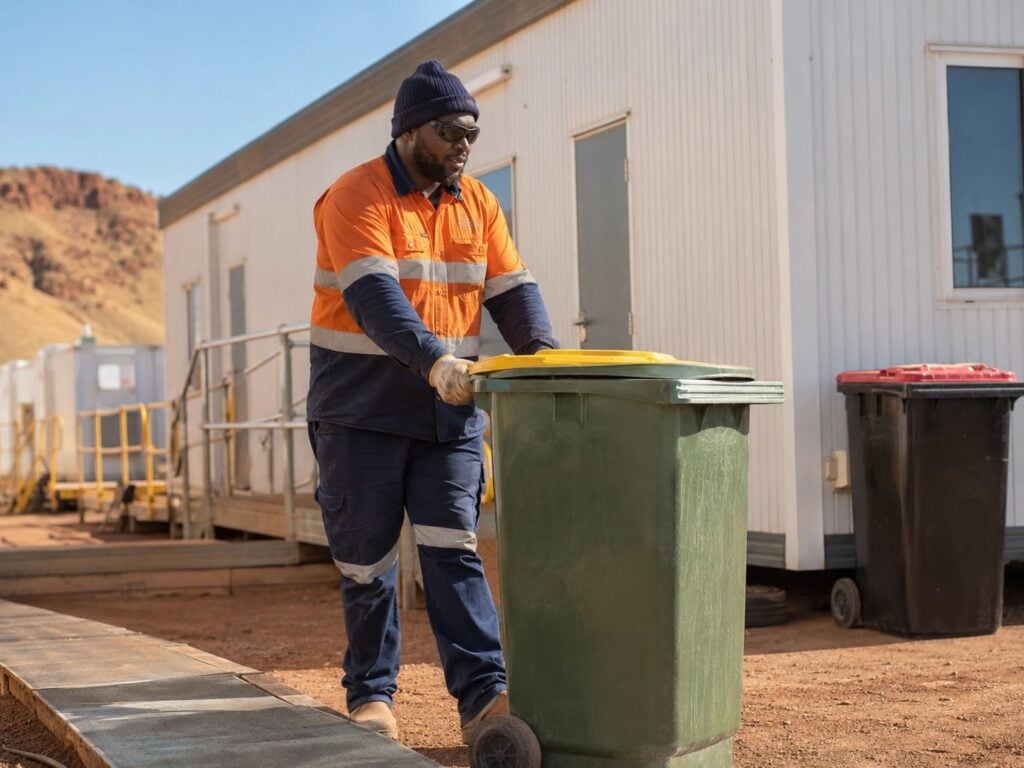
Site utility workers are multi-skilled employees who assist across several departments. Rather than performing one task all day, you’ll rotate between housekeeping, kitchen, laundry and general camp duties.
On any given day you could be covering housekeeping, kitchen hand duties, laundry services, waste management, or stock replenishment, depending on where the camp needs you most.
Because of the variety involved, FIFO utility jobs are among the most advertised camp positions in Australia. That same variety also builds a well-rounded skill set faster than most single-department roles, which puts you in a strong position for senior camp work down the track.
4. FIFO Room Attendant
Average Salary: $75,000–$95,000 per year
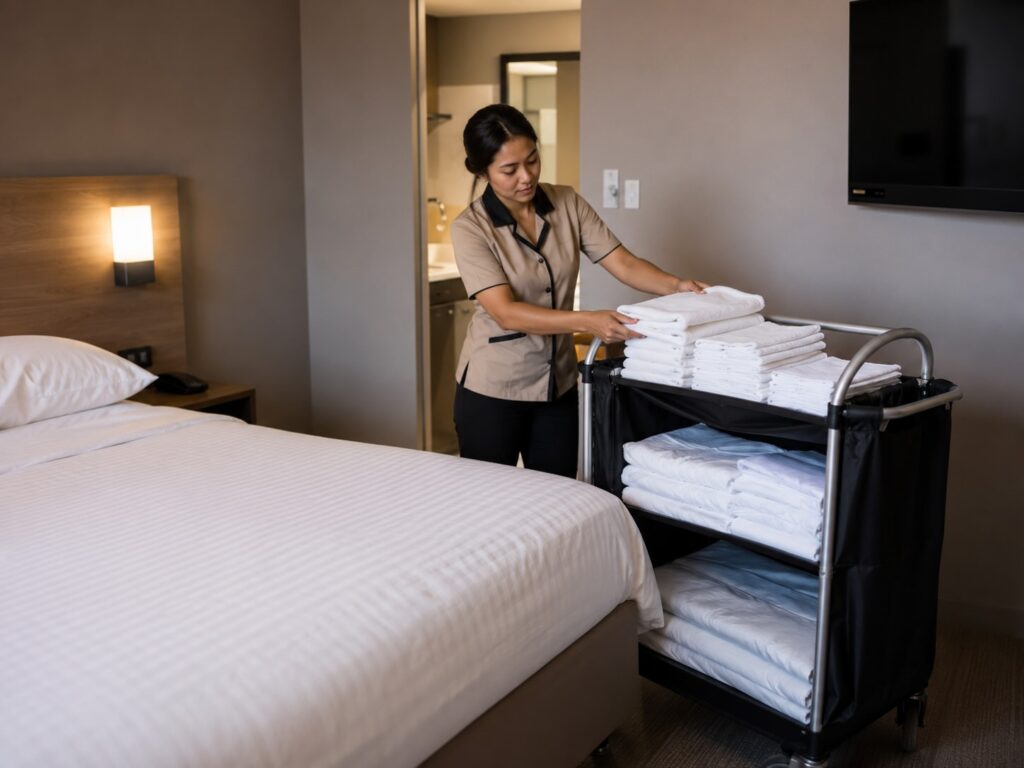
Room attendants focus on preparing accommodation for incoming workers. Similar to hotel housekeeping, the role requires attention to detail and efficient time management while working to strict cleaning schedules.
Core duties include making beds, cleaning bathrooms, replacing linen, vacuuming and dusting, and getting rooms ready for new arrivals according to the daily schedule.
Applicants with hotel or hospitality experience often transition into FIFO room attendant positions successfully. The structured nature of the role, combined with the remote allowances built into the pay package, makes it a considerably better deal financially than a comparable position in a city hotel.
5. FIFO Laundry Attendant
Average Salary: $70,000–$90,000 per year
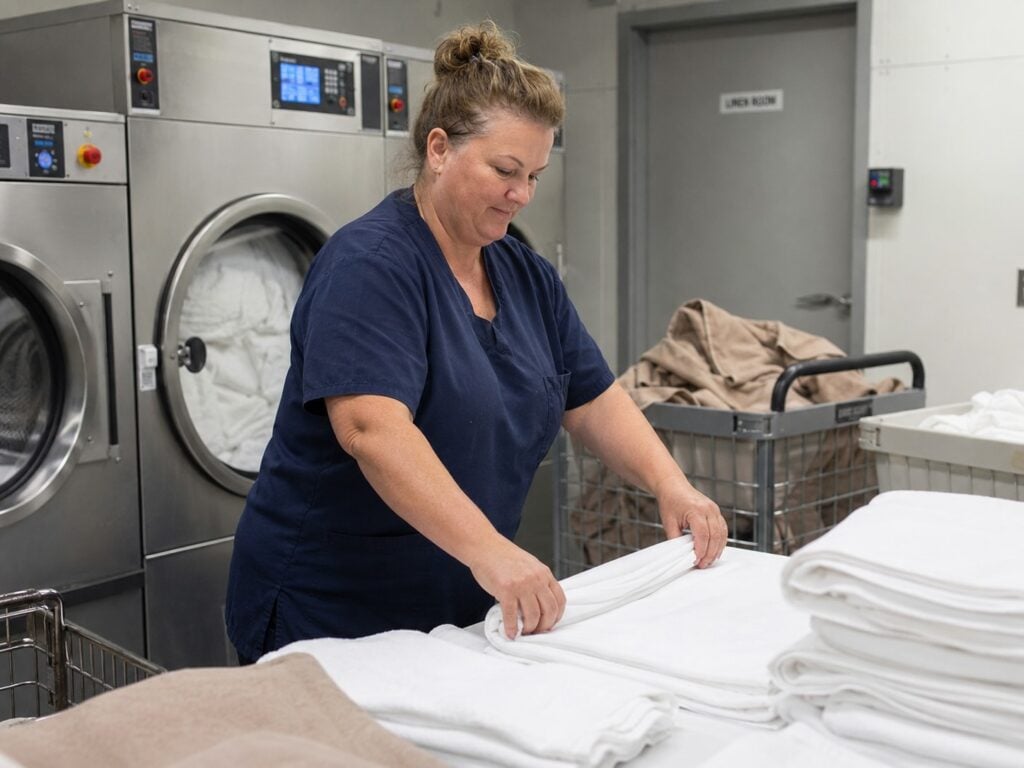
Laundry attendants ensure workwear, bedding and towels remain clean and ready for use. On large mining sites, industrial laundries operate every day to support hundreds or even thousands of workers.
Typical duties include:
- Washing and drying linen
- Folding uniforms
- Operating commercial laundry equipment
- Managing linen supplies
- Maintaining hygiene standards
This role is ideal for people with experience in commercial laundries, hotels, hospitals or aged care facilities.
6. FIFO Kitchen Hand
Average Salary: $75,000–$95,000 per year
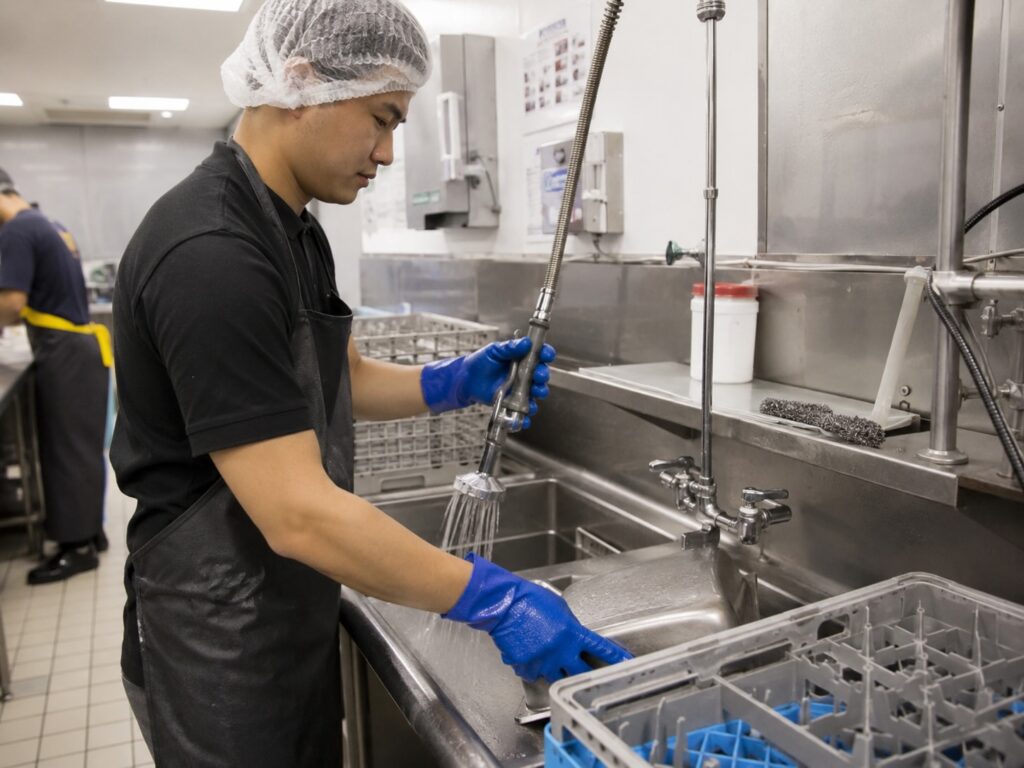
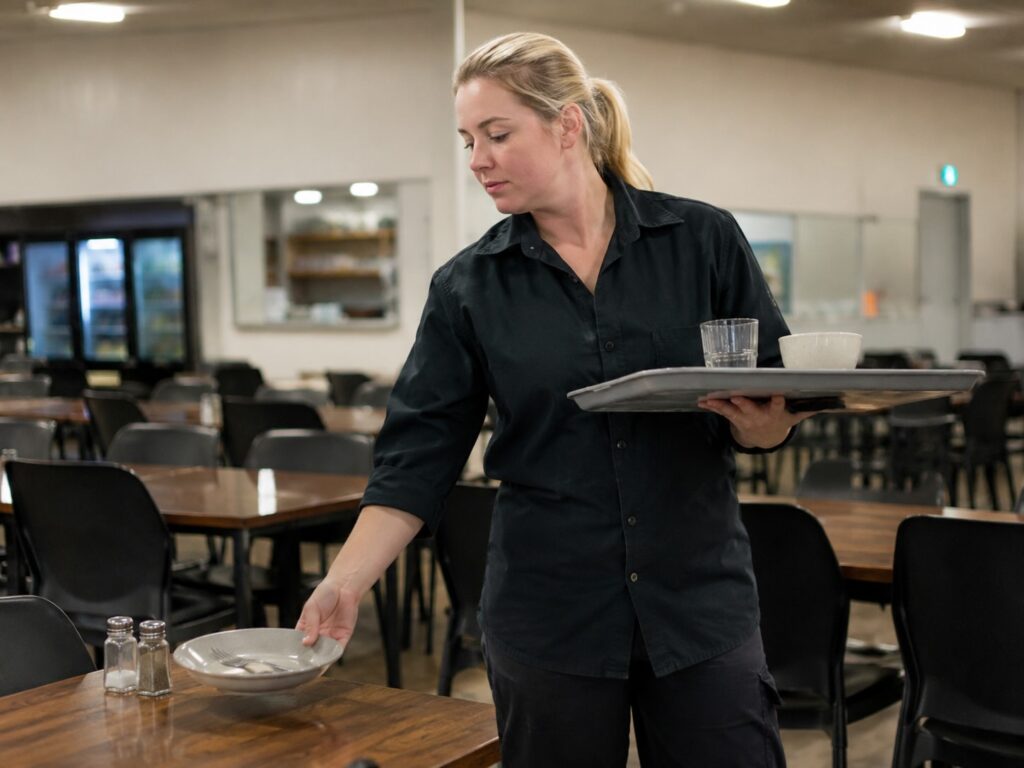
FIFO kitchen hands support chefs and catering teams by preparing ingredients, washing dishes and keeping commercial kitchens clean and organised. On large mining camps, kitchens operate around the clock to provide meals for workers across different shifts.
Your day will typically cover food preparation, dishwashing and cleaning, restocking kitchen supplies, maintaining food safety standards, and lending a hand to cooks and chefs wherever needed.
Many employers are happy to train motivated applicants, especially those with hospitality or food service experience. Kitchen hands who show reliability and a solid work ethic often pick up additional responsibilities fairly quickly, which can open doors into cook or catering positions over time.
7. FIFO Camp Services Worker
Average Salary: $80,000–$105,000 per year
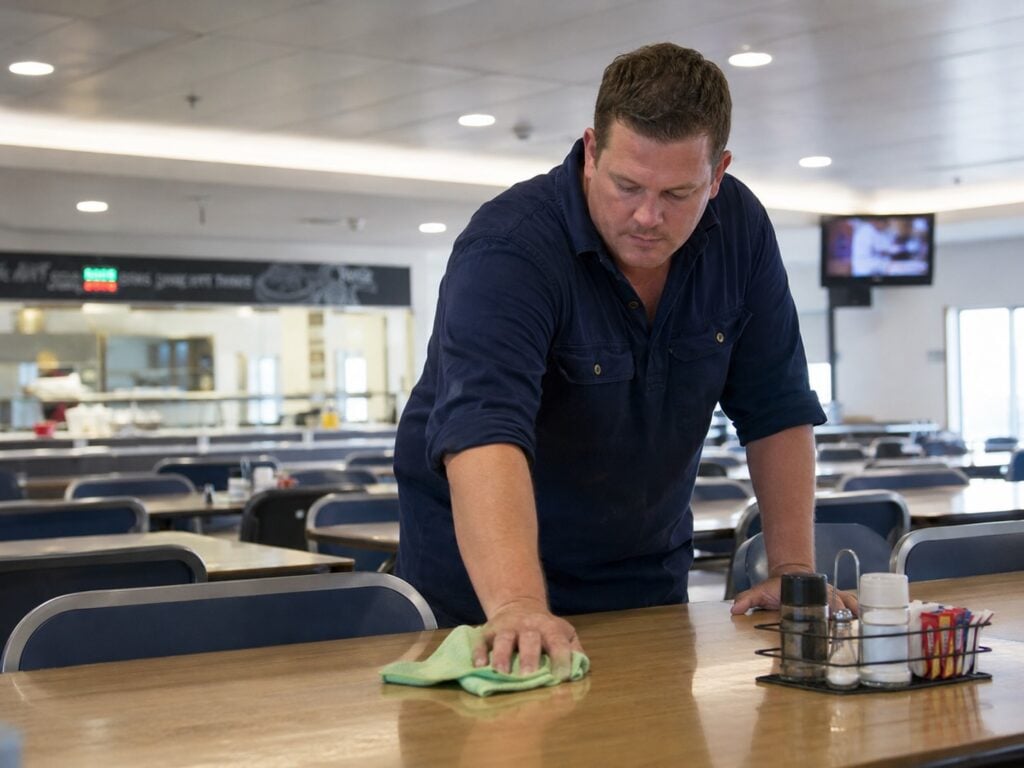
Camp services workers are responsible for keeping remote accommodation villages operating efficiently. Depending on the employer, the role may include housekeeping, laundry, kitchen support and general cleaning throughout the camp.
Responsibilities cover cleaning accommodation and amenities, laundry services, kitchen assistance, stock replenishment, and general village maintenance as required across the day.
This role suits applicants who enjoy variety and are comfortable working across multiple departments. Because you’re across so many parts of the operation, you also build a solid understanding of how remote camps run, which is genuinely useful if you’re aiming for a supervisory position later on.
8. FIFO Village Services Assistant
Average Salary: $80,000–$105,000 per year
Village services assistants work for mining camp operators and facilities management companies, helping maintain comfortable, clean and safe accommodation for FIFO workers.
Typical duties include:
- Housekeeping
- Dining room cleaning
- Laundry duties
- Cleaning recreational facilities
- Assisting camp supervisors with daily operations
These positions are commonly advertised by major FIFO service providers and are an excellent entry point into the mining industry. Working directly for a large camp operator also gives you access to internal job boards and career development pathways that aren’t typically available to contractors.
9. FIFO Mine Site Cleaner
Average Salary: $80,000–$110,000 per year
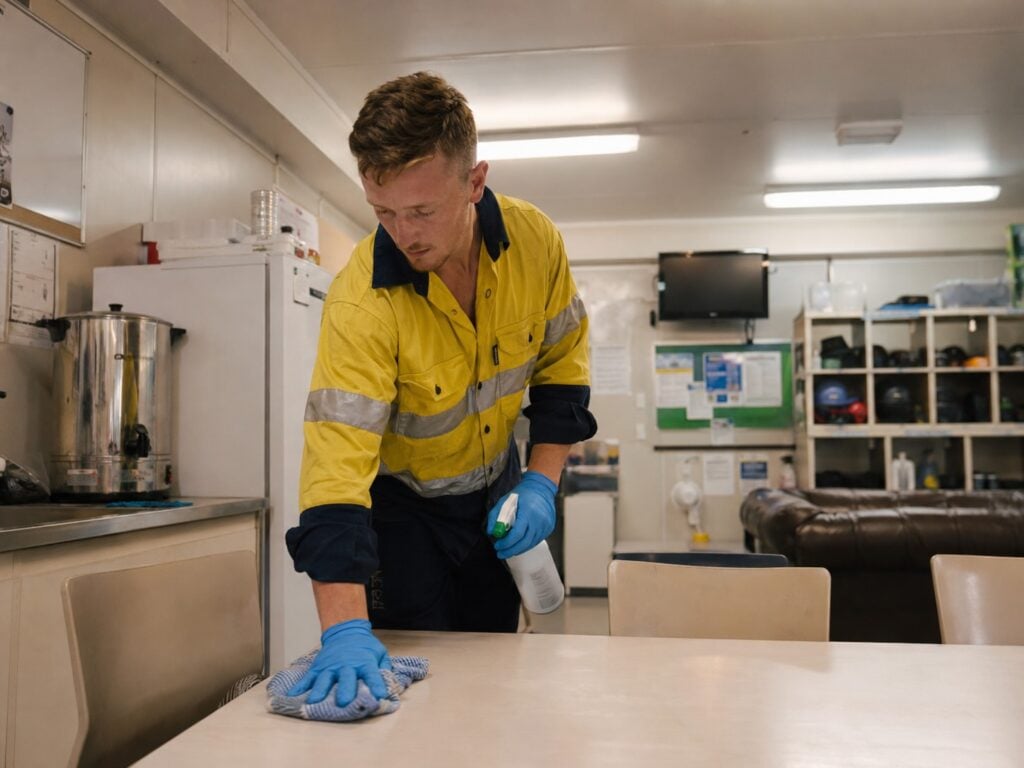
Unlike accommodation cleaners, mine site cleaners may work across workshops, offices, administration buildings, lunchrooms and operational facilities. These roles help maintain safe, compliant workplaces across mining operations.
The job covers cleaning site offices, cleaning workshops and amenities, waste collection, sanitising high-contact areas, and keeping the broader site clean across all operational facilities.
Some employers prefer previous commercial or industrial cleaning experience, but entry-level opportunities are also available. Working across workshops and operational areas rather than just accommodation blocks gives you a broader view of the site, which can be a real advantage when applying for future roles.
10. FIFO Hospitality Utility Worker
Average Salary: $85,000–$115,000 per year
Hospitality utility workers combine housekeeping, cleaning, catering and customer service duties into one versatile role. Because you can work across several departments, you’re highly valued by employers and often have excellent opportunities for career progression.
Depending on where you’re needed, duties can include housekeeping, kitchen hand work, dining room service, laundry, general cleaning, and assisting wherever required across camp operations.
If you’re looking for a long-term FIFO career, hospitality utility positions can provide valuable experience across multiple areas of camp services. Employers actively look for people who can fill gaps across departments, so strong performers in this role tend to find themselves with better roster options and higher pay rates as their time on site grows.
How to Apply for FIFO Housekeeping Jobs
Once you have the essential requirements, you can start applying. The good news is FIFO housekeeping roles are advertised year-round by contractors servicing the mining industry. The key is knowing where to look and how to present your skills.
- Job boards: SEEK, Indeed, CareerOne and Jora list dozens of FIFO housekeeping and utility positions.
- Company career pages: Large employers such as Sodexo, ISS and Compass Group run direct recruitment campaigns.
- Recruitment agencies: Specialist recruiters place workers in short and long-term contracts on remote sites.
When preparing your resume, highlight your relevant experience (hospitality, cleaning, labouring, customer service), your certifications (White Card, First Aid, Driver’s Licence) and your ability to work to rosters.
A short cover letter explaining your willingness to travel and live on site can also help.
Preparing for the Recruitment Process
Applying is just the first step. Most employers follow a clear recruitment pipeline before you are mobilised to site:
- Phone or online interview: Be ready to discuss your experience, availability, and motivation to work FIFO.
- Pre-employment medical and drug/alcohol screening: You’ll be assessed for fitness and compliance with zero-tolerance policies.
- Background and police checks: Ensure you have current documentation and can supply referees quickly.
- Induction modules: Many companies issue online training before you arrive on site.
Having your paperwork organised will shorten the time between application and your first shift. Employers appreciate candidates who can mobilise quickly.
Life on Site: What to Expect Once You Get the Job
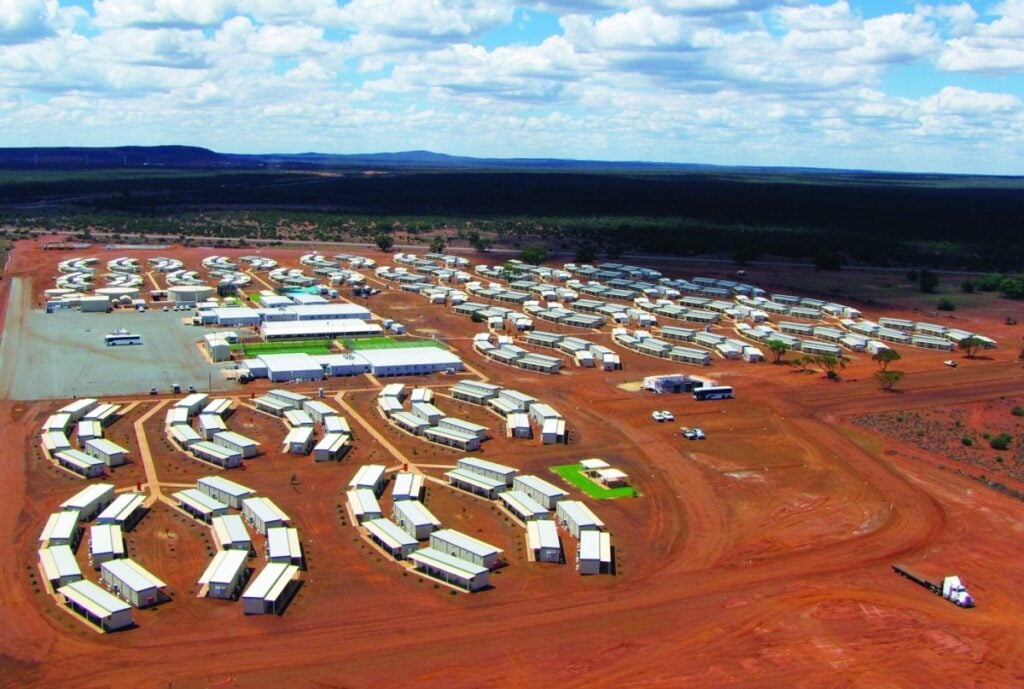
Understanding camp life helps you transition smoothly into FIFO work. Most camps are self-contained communities with accommodation, dining halls, recreation rooms, and gyms. Flights, meals and uniforms are typically provided by the employer.
- Rosters: Common rosters are 2 weeks on/1 week off or 8 days on/6 days off. Expect long shifts but plenty of downtime between swings.
- Accommodation: Most rooms are single-occupancy with ensuite or shared bathrooms. Linen and cleaning are usually provided.
- Meals: Buffets and crib lunches are standard. Special diets can be accommodated with notice.
- Community: Camps have gyms, TV rooms, Wi-Fi and social activities. Respect others’ space and the camp’s code of conduct.
Adjusting to FIFO life can take a few swings. Maintaining good routines, staying connected to family during breaks and managing fatigue will help you thrive.
Career Progression Opportunities
FIFO housekeeping is often the entry point to a much bigger career. Once you’ve proven yourself reliable on site, you can move up to:
- Team leader or supervisor roles: Overseeing cleaning crews or kitchen staff.
- Facilities coordinator or camp manager: Running the daily operations of a remote facility.
- Transition to mining operations: Many workers shift into trade assistant, storeperson or safety roles after gaining site experience.
Upskilling with management or safety courses while you’re working can fast-track your progress. National Courses offers pathways into WHS certificates and other qualifications relevant to supervisory positions.
Frequently Asked Questions
How much can I earn in a FIFO housekeeping or site utility job?
Pay rates vary by company and roster but typically range from $35 to $50 per hour plus penalties and overtime. Some employers also offer sign-on bonuses or retention allowances.
Because meals, flights and accommodation are included, your take-home pay can stretch further than a city job at the same rate
What is the usual roster pattern for housekeeping or utility roles?
Common rosters include 2 weeks on / 1 week off, 8 days on / 6 off, or even 3 weeks on / 1 week off for very remote sites.
Your exact roster depends on the company, site and project stage. Some large camps rotate rosters regularly to balance workloads.
Do FIFO utility workers get training on site, or do I need it all before applying?
Basic inductions and site-specific safety training are provided once you’re hired. However, having key certifications like White Card, First Aid and Manual Handling before applying puts you at the top of the candidate list and can speed up mobilisation.
What’s the living situation like on a FIFO camp?
Most camps provide single air-conditioned rooms with ensuite or shared bathrooms, three meals a day, gym facilities, TV lounges and laundry.
Standards vary between older and newer camps but are generally comfortable and clean.
How do I handle the isolation and mental health challenges of FIFO work?
Plan regular check-ins with family and friends during your off time, make use of on-site Employee Assistance Programs (EAPs), stay active and build routines. Knowing your roster in advance helps you plan social and family life to reduce stress.
What’s the recruitment process like for FIFO utility roles?
It usually involves an online application, phone or video interview, reference checks, a pre-employment medical (including drug and alcohol screen), then mobilisation paperwork. Some large contractors also host information sessions or virtual open days to explain the process to new applicants.
Are FIFO housekeeping jobs seasonal or ongoing?
Many camps run year-round to support ongoing mining or construction projects. Some roles are casual to cover peak periods or shut-downs, but strong performers are often offered ongoing contracts.
Being flexible with rosters increases your chance of ongoing work.
About National Courses
National Courses Pty Ltd (RTO 41072) is a trusted training provider offering short, nationally recognised courses across Australia. We specialise in practical, job-ready training for industries like construction, civil, safety, and first aid, helping individuals and businesses stay qualified and competitive.
National Courses PTY LTD works with government programs, employers, and community organisations to deliver training that leads to real employment outcomes.
Find your next course with National Courses
Ready to take the next step? Explore our short courses, choose your training location and check upcoming dates with our team.
National Courses Pty Ltd · RTO 41072.
Need a hand choosing? Call 1300 677 191.





2 comments
Elezabeth
I am interested in doing the fifo course and I would like to know if it is government founded
Willie de Jonge
How can i work in Australia (FIFO) i dont have any experience. And im a south african.