



How to Become a Driller or Driller’s Offsider: Complete Guide
If you’re physically fit, willing to get your hands dirty, and keen to earn good money without wasting years at uni or doing a 4yr trade, the drilling industry might be exactly what you’re looking for.
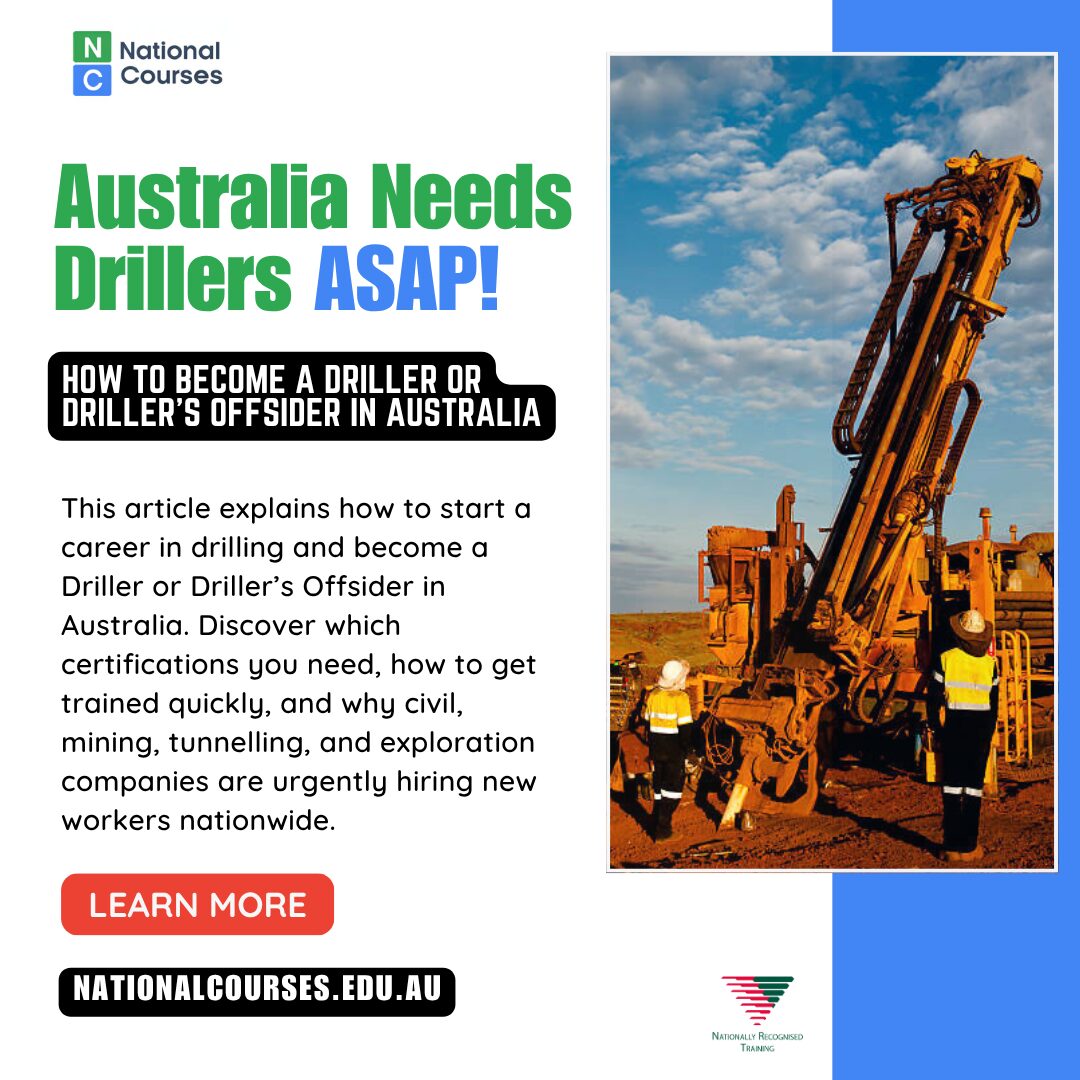
In Short
- No experience needed: You can start as a Driller’s Offsider with zero background in mining or construction, just get the right tickets.
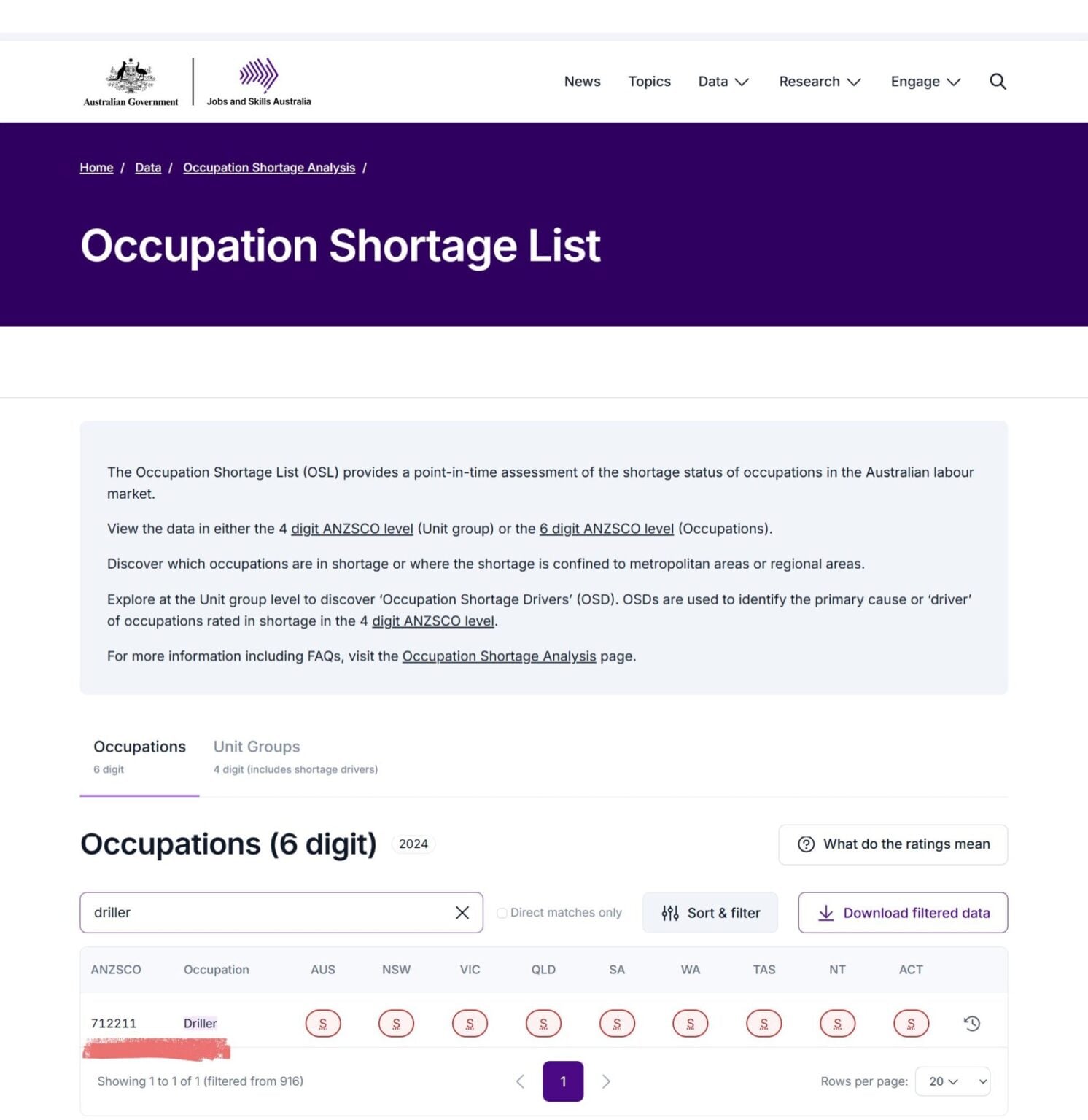
- High demand, fast hiring: Drilling companies across Australia are urgently hiring and offering interviews within days of certification.
- Hands-on, physical work: The job is demanding but suits those who are fit, reliable, and keen to earn above-average wages.
- Clear career progression: Offsiders often move into Driller roles within 12–18 months, with many advancing to six-figure incomes.
How to Start a Drilling Career with No Experience
Whether you’re a tradie between jobs, just finished school, or sick of stacking shelves for $25 an hour, there’s real opportunity here. Mining and civil companies across Australia are desperate for crew and they’re not just hiring seasoned pros.
They’re looking for reliable people who show up, follow safety rules, and get the job done.
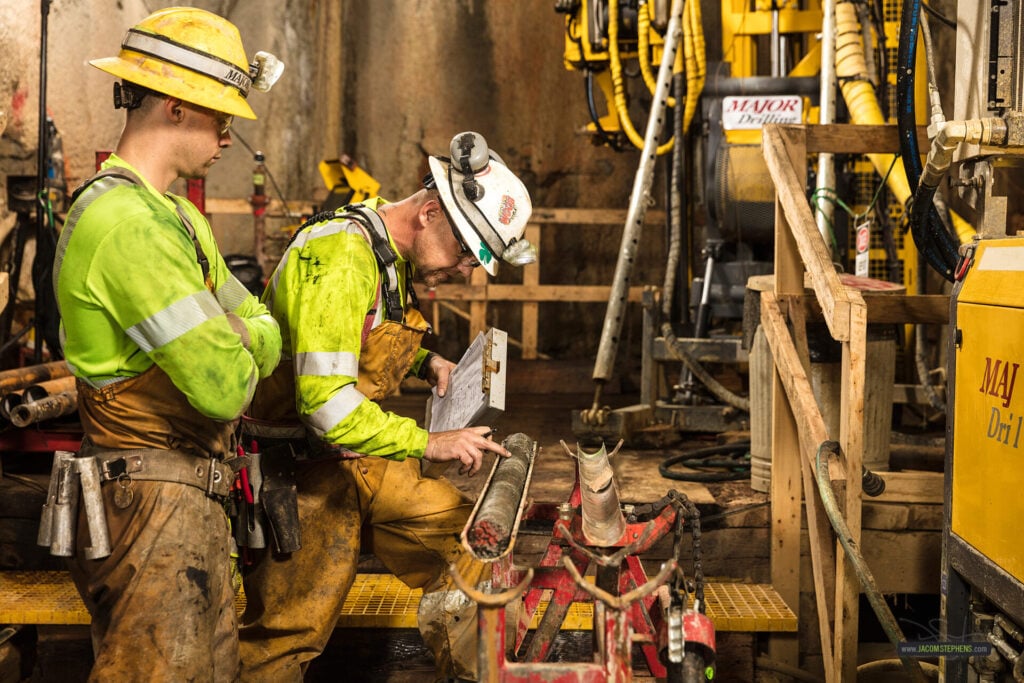
As a Driller’s Offsider, you’ll be doing practical, physical work: loading core samples, moving equipment, helping set up drill rigs. It’s hard, but it pays off.
And thanks to a nationwide skills shortage in Australia, companies are offering higher starting pay, flexible rosters, and fast-track promotions to those who stick it out.
If you want to break into mining, construction, or exploration, drilling is one of the quickest ways in. The industry needs more drillers and employers are more than willing to train you up if you’ve got the right tickets and attitude.
What Does a Driller Do? And What’s a Driller’s Offsider?
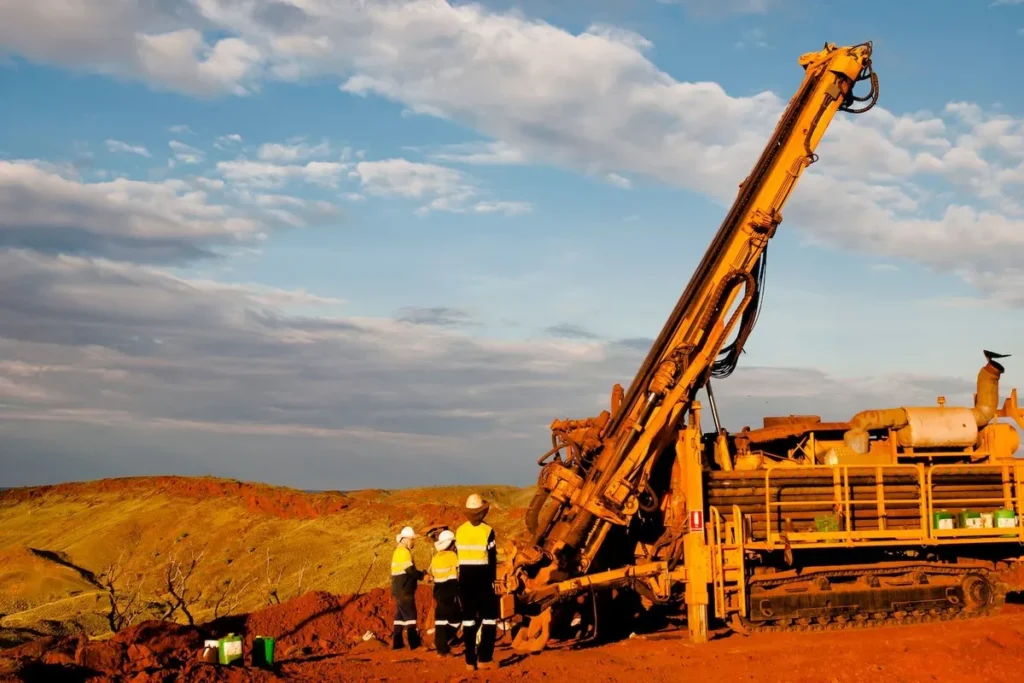
Drillers are responsible for operating heavy machinery that bores into earth, rock, or other materials for mining, exploration, and civil infrastructure projects.
These roles are critical across sectors like mining, tunnelling, and geotechnical construction. Most people start their journey as a Driller’s Offsider.
This is a practical, physical role that involves supporting the driller and learning the job from the ground up.
Offsiders are the entry point to drilling and don’t require prior experience, just the right training and a solid work ethic.
| Position | Typical Duties | Work Conditions | Career Progression |
|---|---|---|---|
| Driller | Operate rig equipment, manage drilling depth and pressure, supervise offsiders, complete safety checks | Long hours, often FIFO, remote sites, higher responsibility | Team leader, senior driller, site supervisor |
| Driller’s Offsider | Load/unload tools, support setup and pack down, clean equipment, manage drill rods, assist with safety | Physical labour, remote locations, shift work, all-weather conditions | Move into Driller role with experience and further training |
If you're fit, reliable, and safety-conscious, offsider roles are one of the quickest ways to step into a high-paying industry.
Many employers are willing to hire new workers who’ve completed key safety and site-readiness courses.

What Does a Typical Day Look Like on a Drill Site?
Drilling crews often work in remote areas, on tight rosters, in all kinds of weather. It’s not your average 9-to-5, but for many, that’s part of the appeal. Here’s what a standard day might look like when you’re working as a Driller’s Offsider or a Driller.
| Time | Activity | Description |
|---|---|---|
| 4:30am – 6:00am | Wake up, breakfast, safety prep | Grab a quick meal, get dressed in PPE, complete any safety paperwork or morning toolbox meetings. Everyone’s expected to be alert and ready — no excuses. |
| 6:00am – 12:00pm | Drilling begins | Crews start operations early. Offsiders assist with rod changes, sample collection, equipment checks, and rig support. Drillers control the rig, monitor progress, and complete logs. |
| 12:00pm – 12:30pm | Lunch break | A short break for food and rest. Usually on-site unless the conditions allow for a crib room or break tent. |
| 12:30pm – 6:00pm | Afternoon shift | Work continues. Teams may drill multiple holes or keep deepening the same one depending on the geology. Dust, noise, heat, and repetition are all part of the deal. |
| 6:00pm – 7:00pm | Clean-up & reporting | Offsiders help clean and maintain the rig. Drillers wrap up logs, check equipment status, and prepare for the next shift or day. |
| 7:00pm onwards | Dinner & downtime | Back to camp for a meal, shower, and (hopefully) some rest. Some remote sites have WiFi, gyms, or TV rooms. Others are more bare-bones. |
It’s not an easy job, but if you’re prepared to push yourself, the days become a rhythm. Most people either love it or leave it.
If you’re someone who thrives on routine, physical work, and team environments, you’ll find your groove here quickly.
Which Industries Hire Drillers and Offsiders?
Drillers and offsiders are in demand across multiple high-paying industries in Australia, each offering different environments, challenges, and long-term opportunities.
Here's a breakdown of where you could work after completing your training:
| Industry | Where You Work | Drilling Purpose | Work Conditions | Career Potential |
|---|---|---|---|---|
| Civil Construction | Urban & regional areas (roads, bridges, infrastructure) |
Geotechnical investigations Foundation & piling work |
Day work, metro projects Less remote, more stable hours |
Progress into site supervisor or technician roles |
| Mining | Remote WA, QLD, NT & SA (surface & underground sites) |
Exploration drilling Mineral/core sampling |
Fly-In-Fly-Out (FIFO) Long shifts, big rosters |
Move into Driller, Supervisor or Exploration roles |
| Tunnelling | Major city projects (rail, road, utilities tunnels) |
Ground support Pre-construction analysis |
Underground works Safety-focused environments |
Move into specialised tunnel crew or technician roles |
| Oil & Gas | Onshore & offshore rigs (QLD, WA, NT) |
Gas/water extraction Well monitoring & testing |
Remote, high-pressure environments FIFO or offshore shifts |
Lead to high-paying Driller or Rig Manager roles |
Civil work keeps you local with more predictable hours. Mining and oil rigs pay more but come with long rosters and remote locations. Either way, drilling puts you right in the middle of Australia's biggest infrastructure and resources projects. The work is physical, the hours are long, but the pay and career opportunities are hard to beat.
Who Drilling Work is Suitable For
Drilling isn’t for everyone, but if you’ve got the right mindset and attitude, it can be a life-changing opportunity.
Here’s the type of person who thrives in drilling and offsider roles:
- Physically fit and hands-on. You’ll be lifting, carrying, moving gear, and working in tough conditions. A strong work ethic and physical stamina are essential.
- Willing to work long hours. Most roles involve extended shifts, remote travel, or FIFO (Fly-In-Fly-Out) rosters. It suits people who aren’t afraid of hard work or big days.
- Open to remote or regional work. Many opportunities are outside major cities. This job suits people keen to earn serious money and don’t mind being away from home for a bit.
- Career-driven and motivated. Offsiders who show up, work hard, and learn on the job often move quickly into Driller roles, which can pay six figures. If you’ve got goals, this industry rewards hustle.
- Team player with a can-do attitude. You’ll be working in small crews where trust and cooperation matter. People who stay positive, follow safety procedures, and support their teammates stand out quickly.
- No prior experience? No problem. You don’t need a trade, licence, or mining background to start as an offsider. If you’re reliable and eager to learn, the industry will train you.
If you’re ready to put in the work, the drilling industry can offer you more than just a job, it can be a pathway to a whole new lifestyle.
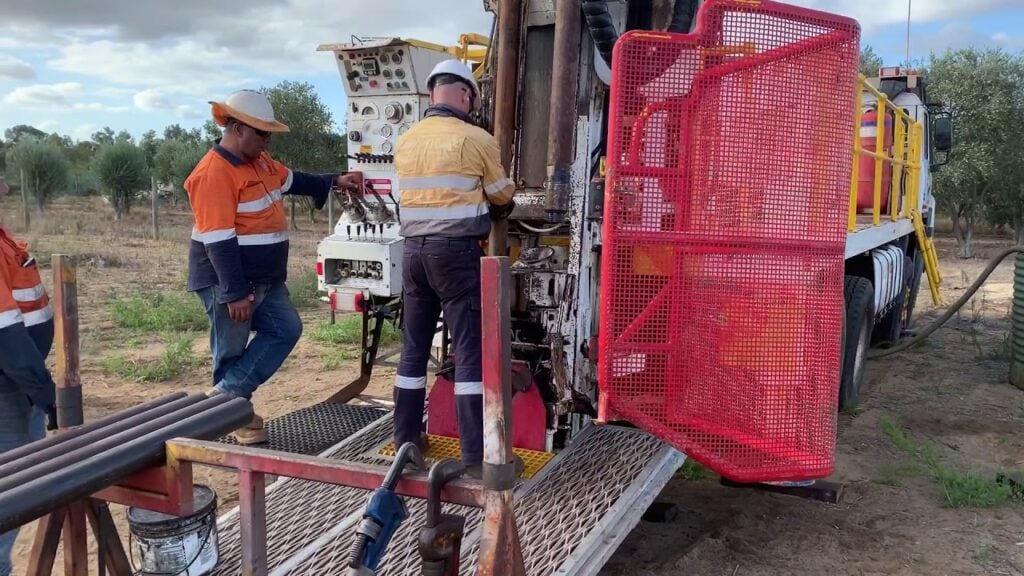
How to Get Started as a Driller or Driller's Offsider in Australia
Breaking into drilling doesn’t take years, it takes the right certificates and a solid plan. Below is a step-by-step guide for Aussies ready to kickstart their career on site.
Essentials You’ll Need
- White Card: Mandatory for any construction, civil, or drilling site in Australia. No site access without it.
- Manual C‑Class Driver’s Licence: Used widely on remote and rugged site access roads. Almost always required.
- Heavy Rigid (HR) Licence: Often required or expected early in your career, especially for surface rigs with truck-mounted equipment. Many employers expect you to complete it within your probation period.
- First Aid & CPR (HLTAID011): Employers expect this even for entry-level roles. You may need to renew it every 1‑2 years.
- 4WD Training (RIIVEH305E): Not always mandatory, but highly regarded, especially for remote access and camp travel.
- Working at Heights & Fire Safety tickets: Useful for advancement and on some rigs or drilling environments.
- National Police Clearance: Typically must be within the last 3 months before starting.
- Pre‑employment Medical: Includes drug & alcohol test, hearing, lung, flexibility, push‑ups, squats, plank, and balance testing. Designed to catch underlying conditions, not eliminate capable candidates.
Strongly Recommended
While not immediately required, these will give you a competitive edge and open up more job opportunities:
- Certificate II or III in Drilling Operations (RII20920 / RII3185): These nationally recognised qualifications show employers you’re committed and skilled.
- Legal working status: Most employers require Australian citizenship or permanent residency. Some work visas may also be accepted.
How Our Courses Help You Step In Fast
At National Courses, we offer all the essential certifications to get you site-ready:
- White Card training: Delivered in 6 states, fast-tracked and nationally recognised.
- First Aid & CPR courses: Meet HLTAID standards to make you eligible for remote roster jobs.
- Mobile Plant tickets: Choose relevant options like Excavator or Loader to boost employability.
- Working at Heights & Confined Spaces: Ideal extras to qualify for more advanced drilling roles.
Complete these, apply to entry-level Driller’s Offsider roles through labour hire or drilling companies, and you’re on your way, often within days or weeks.
Once on the job, you'll receive on-the-job training, learn protocols, and work alongside experienced drillers. Many trainees advance to Driller roles within 12–18 months.
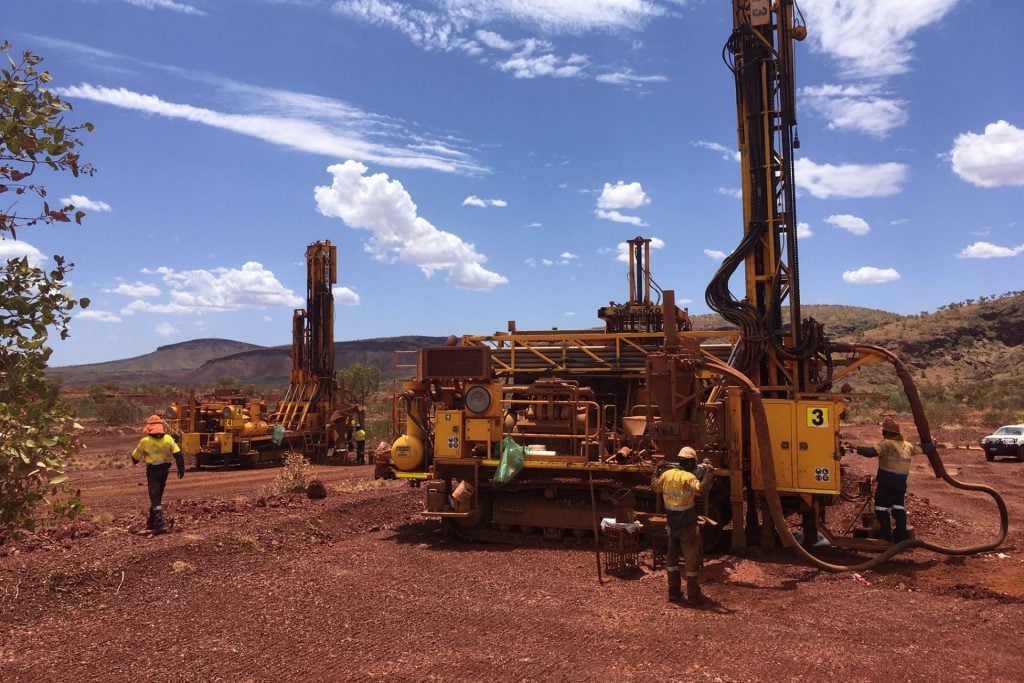
Frequently Asked Questions (FAQs)
Do I need experience to get a job as a Driller’s Offsider?
No experience is required to start. Many companies hire reliable, physically fit workers and provide all necessary on-the-job training. However, having basic certifications like First Aid, 4WD, and White Card can make you more competitive.
Is a truck licence (HR) essential?
Not always. While some drilling jobs require you to drive heavy vehicles, many entry-level offsider roles don’t. Employers often prioritise attitude, reliability, and physical ability over licences. If needed, you may be supported to upgrade your licence later.
How long are the shifts?
Shifts can range from 10 to 14 hours per day, depending on the site and roster. It’s common to work FIFO schedules like 2 weeks on, 1 week off, or similar patterns. These longer shifts are why the pay is higher.
What’s the difference between civil drilling and mining drilling?
Civil drilling is usually part of construction projects (e.g. tunnels, bridges, roads) and often closer to urban areas. Mining and exploration drilling is typically more remote and may involve FIFO or DIDO rosters. Both offer strong career paths but differ in lifestyle and site environments.
How do I know if I’m suited for this type of work?
If you’re physically fit, willing to work outdoors in all conditions, and don’t mind long shifts or travel, drilling could be a good fit. People from trade, hospitality, construction, and even retail backgrounds have successfully transitioned into these roles.
Can women apply for drilling jobs?
Absolutely. More women are entering the drilling industry than ever before. Many companies actively support diversity and inclusion on-site, and success in these roles comes down to mindset, not gender.
How quickly can I start working?
If you’ve got the right attitude and are willing to get your essential tickets sorted (like First Aid and White Card), you can start applying right away. Many employers are hiring urgently due to labour shortages.
Get Job-Ready with Fast, Affordable & Nationally Recognised Training
If you're serious about landing a job as a Driller or Driller’s Offsider, you need the right certifications — and you need them fast.
At National Courses, we make it simple.
Our training is government-approved, fully recognised across Australia, and designed to get you certified without the stress, delays, or inflated costs.
We specialise in delivering affordable, no-fuss courses that get you onto work sites quickly — whether you're going into mining, civil construction, tunnelling, or oil and gas.
With flexible options and locations across the country, we help you get qualified and on-the-job, sooner.
Our courses are designed to be streamlined and hassle-free, with transparent pricing, low course fees, and expert trainers who understand the job.
Whether you're looking to break into drilling, start a civil career, or just get the right tickets to boost your chances — we've got you covered.
About National Courses
National Courses Pty Ltd (RTO 41072) is a trusted training provider offering short, nationally recognised courses across Australia.
We specialise in practical, job-ready training for industries like construction, civil, safety, and first aid — helping individuals and businesses stay qualified and competitive.
National Courses PTY LTD works with government programs, employers, and community organisations to deliver training that leads to real employment outcomes.
 UPGRADE YOUR SKILLS: FIND YOUR COURSE
Find your next course with National Courses
Ready to take the next step? Explore our short courses, choose your training location and check upcoming dates with our team.
National Courses Pty Ltd · RTO 41072.
Need a hand choosing? Call 1300 677 191.

Samuel Bohr

How Long Does a First Aid Certificate Last?
May 12, 2026

How National Courses Helped NSW Jobseekers Get a Job
April 30, 2025