
What Is Manual Handling? Complete Guide
Manual handling is a part of everyday work across countless industries. Lifting boxes in a warehouse, moving building materials on a construction site, or assisting a patient in healthcare. All these are manual handling tasks are performed millions of times every day.
In Short
- Manual handling covers more than lifting. Sny task requiring force to move, hold, carry, push or pull an object counts, which means it applies to almost every industry and job role in Australia.
- Not all manual handling is hazardous. It only becomes a risk when factors like excessive force, repetitive movements, awkward postures or unstable loads are involved, often in combination.
- Training alone isn't enough. The safest approach is to eliminate or reduce the risk before the task starts, using mechanical aids and better workplace design rather than relying on correct technique to carry the load.
- Injuries often build up over time. Many musculoskeletal disorders develop gradually through repeated exposure rather than a single incident, which is why ongoing risk assessment matters as much as responding to obvious hazards.
While these tasks may seem routine, they are also one of the leading causes of workplace injuries in Australia. Poor manual handling techniques can result in back injuries, muscle strains, sprains, and long-term musculoskeletal disorders (MSDs), affecting both workers and businesses.
Understanding what manual handling is, what makes a task hazardous, and how to perform it safely is essential for reducing the risk of injury and creating safer workplaces.
In this guide, you’ll learn what manual handling means, the types of tasks it includes, common hazards, injury risks, and the key principles of safe manual handling.
What Is Manual Handling?
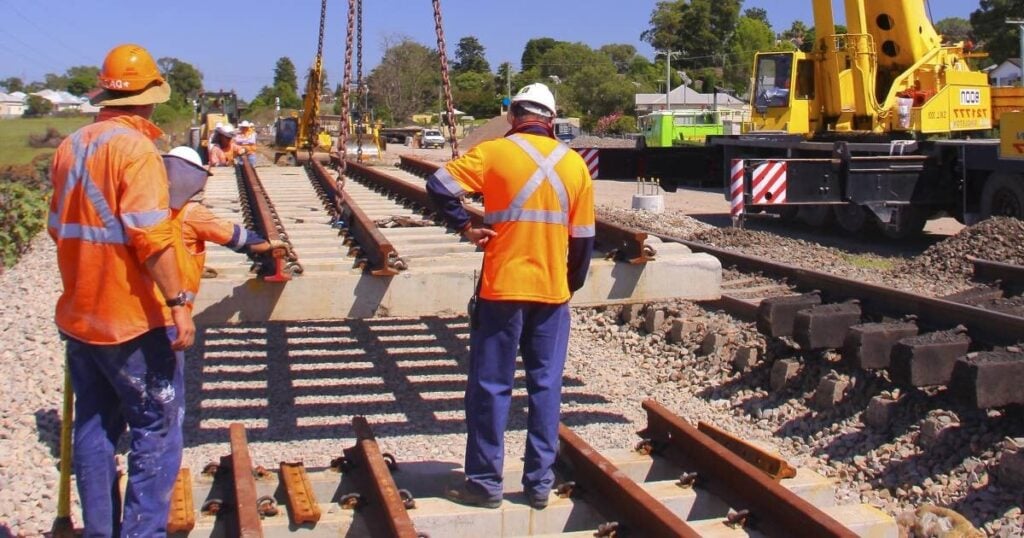
Manual handling is any activity that requires a person to use force to lift, lower, push, pull, carry, move, hold, restrain, or support an object, person, or animal.
Although many people associate manual handling with lifting heavy boxes, the term covers far more than lifting alone. Any task that places physical demands on the body through movement or force can be considered manual handling.
Manual handling tasks vary between industries, but they all involve physical effort that can place stress on muscles, joints, ligaments, tendons and the spine.
What Workplace Activities Are Considered Manual Handling?
Manual handling activities occur in almost every workplace. Some tasks are obvious, while others are easy to overlook because they’re performed so frequently.
Common manual handling activities include:
- Lifting and lowering objects
- Carrying loads by hand
- Pushing trolleys, bins or equipment
- Pulling carts or machinery
- Holding tools or materials
- Reaching above shoulder height
- Bending to pick up items
- Twisting while carrying a load
- Loading and unloading vehicles
- Moving patients or residents
- Stocking shelves
- Repetitive packing tasks
Even relatively light objects can become hazardous when they are handled repeatedly or in awkward positions over long periods.

Examples of Manual Handling Across Different Industries
Manual handling looks different depending on the workplace. Understanding these examples helps demonstrate how common manual handling is across Australia’s workforce.
Construction
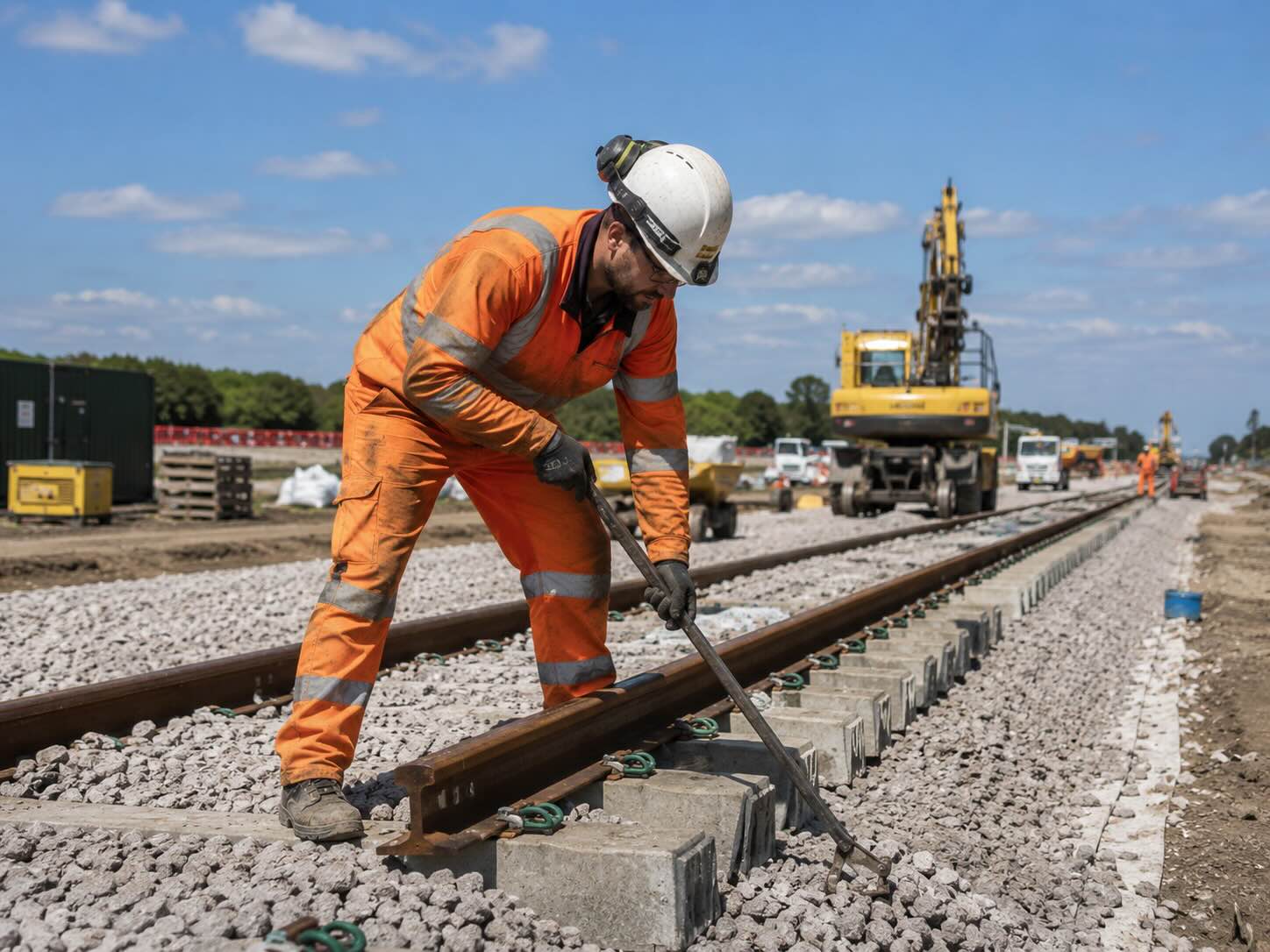
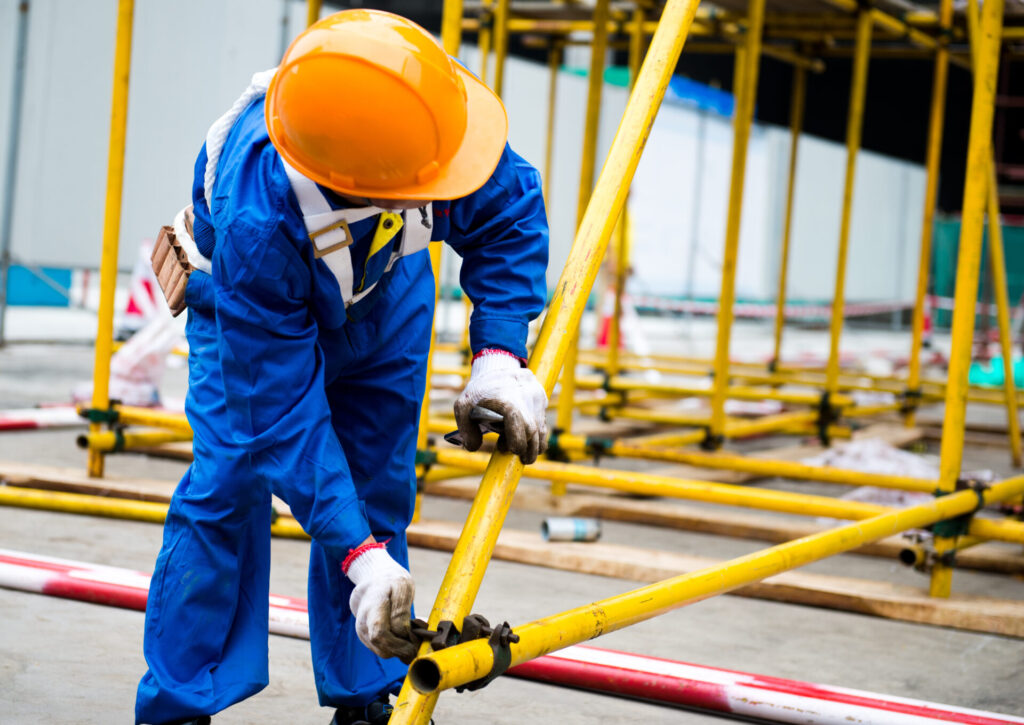
Construction workers regularly perform manual handling tasks such as lifting timber, carrying cement bags, moving power tools, transporting scaffolding components, and handling building materials.
Warehousing and Logistics
Warehouse employees frequently lift cartons, stack pallets, move stock, load trucks, and push pallet jacks throughout the day.
Healthcare and Aged Care
Healthcare workers assist patients with transferring between beds and chairs, repositioning patients, supporting mobility, and moving medical equipment.
Childcare
Early childhood educators regularly lift children, move furniture, carry outdoor play equipment, and set up learning environments.
Retail
Retail workers unpack deliveries, stock shelves, move inventory, push cages, and carry products throughout their shifts.
Hospitality
Hospitality staff may carry trays, move tables and chairs, lift beverage kegs, transport food supplies, and handle commercial kitchen equipment.
Although these tasks differ, they all involve physical effort and therefore require safe manual handling practices.

What Is Hazardous Manual Handling?
A common misconception is that all manual handling is hazardous. In reality, manual handling only becomes hazardous when a task significantly increases the risk of injury.
Hazardous manual handling occurs when work involves one or more risk factors that place excessive strain on the body. These tasks are more likely to cause musculoskeletal injuries, particularly when performed repeatedly or without appropriate controls. These are some examples of hazardous manual handling:
- Lifting heavy or bulky loads
- Carrying loads over long distances
- Working in awkward or confined spaces
- Reaching above shoulder height
- Twisting while lifting
- Repetitive lifting throughout a shift
- Handling unstable or difficult-to-grip objects
- Supporting the weight of another person
- Performing forceful pushing or pulling tasks
Many workplace injuries occur because several of these risk factors are present at the same time.
What Injuries Can Poor Manual Handling Cause?
Manual handling injuries affect muscles, bones, joints, ligaments, tendons, nerves and other soft tissues. Some injuries occur immediately, while others develop gradually through repeated exposure to hazardous tasks. These are some injuries:
- Back strains and sprains
- Shoulder injuries
- Neck pain
- Muscle tears
- Ligament injuries
- Tendon injuries
- Hernias
- Knee injuries
- Repetitive strain injuries (RSIs)
- Musculoskeletal disorders (MSDs)
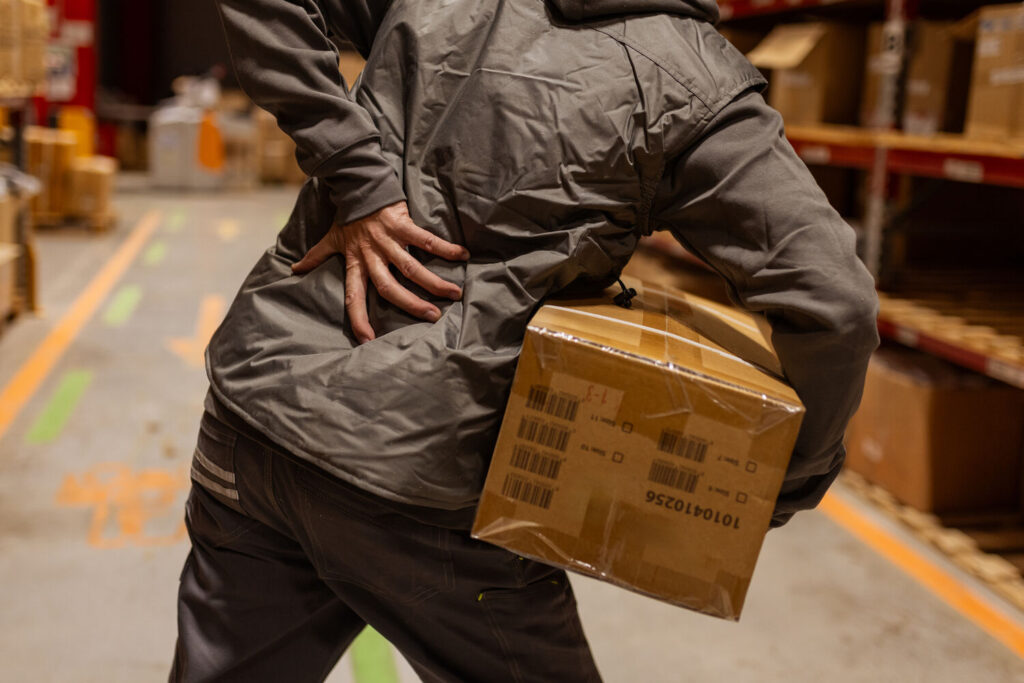
Back injuries remain one of the most common outcomes of poor manual handling because the spine is particularly vulnerable when lifting, twisting, or carrying loads incorrectly.
However, injuries are not limited to the back. Repetitive reaching, pushing, pulling, carrying, or prolonged awkward postures can affect almost any part of the body.
What Causes Manual Handling Injuries?
Manual handling injuries are rarely caused by a single factor. In most cases, it’s a combination of physical demands, workplace conditions, and poor task design.
Tasks that require significant physical effort place excessive load on muscles and joints. Lifting heavy equipment, pushing overloaded trolleys or pulling machinery are common examples.
Working in awkward postures, such as with a bent back, twisted spine, raised arms or extended reach, adds further strain on the body. When the same movement is repeated hundreds of times throughout a shift, muscles and tendons can gradually become overloaded, even if the individual task seems manageable on its own.
How long a task takes also matters. Holding a posture or carrying a load for extended periods increases muscle fatigue and raises the likelihood of injury over time. Loads that shift unexpectedly or situations that require quick reactions can also catch workers off guard.
Plus, the physical environment itself plays a role. Limited space, poor storage systems, uneven flooring and obstacles all make manual handling tasks more hazardous than they need to be.
Safe Manual Handling Principles
While every workplace and task is different, there are several fundamental principles that can help reduce the risk of manual handling injuries. Safe manual handling isn’t simply about “lifting correctly”—it begins with planning the task, assessing the risks, and using the safest method available.
1. Plan Before You Move the Load
Before lifting or moving anything, take a moment to assess the task. Consider the weight of the load, how bulky or difficult it might be to grip, where it needs to go, and the condition of the pathway ahead.
If you have any doubt about managing it safely on your own, look at getting assistance or using equipment. Taking a few seconds to plan before you move can prevent unnecessary strain and reduce the risk of injury.
2. Assess the Load
Not all loads are easy to handle. Before moving anything, consider the weight of the object, its size and shape, how stable it is and how likely it is to shift, and whether there are suitable handholds. If a load is too heavy, awkward or unstable, look for a safer alternative instead of attempting to move it manually.
3. Use Mechanical Aids Where Possible
One of the most effective ways to reduce manual handling risks is to minimise the amount of physical effort required. Mechanical aids like trolleys, hand trucks, pallet jacks, hoists, lift tables, conveyors, forklifts and adjustable work platforms can significantly reduce the physical demands of a task. Using the right equipment directly lowers the risk of injury.
4. Maintain Good Posture
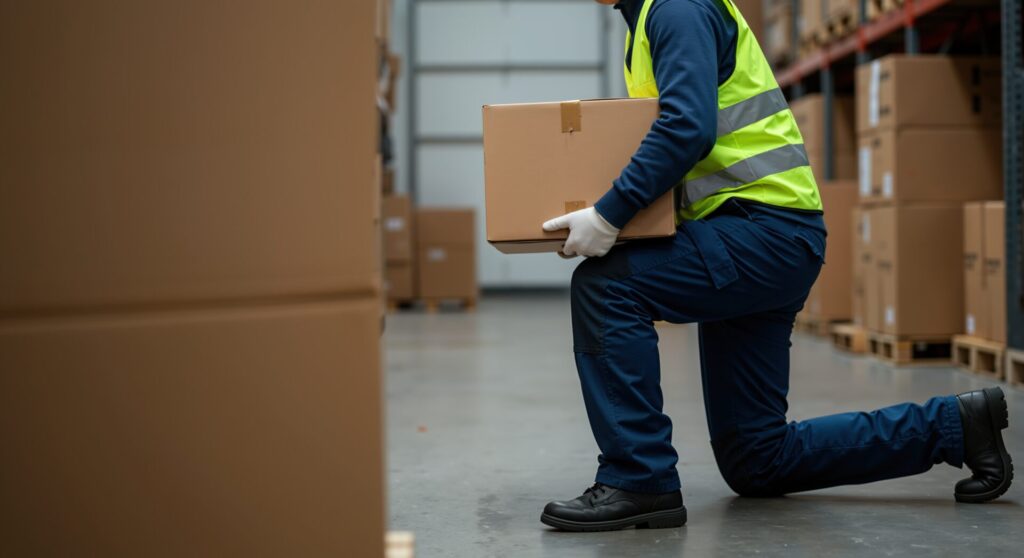
Good posture reduces unnecessary strain on the body. When lifting, stand close to the load and keep your feet shoulder-width apart for stability. Bend through your knees and hips rather than your back, maintain the natural curve of your spine, and keep the load close to your body throughout the movement.
Avoid sudden or jerky movements as these techniques help distribute the load more evenly and reduce the pressure on your muscles and joints.
5. Avoid Twisting
Twisting while lifting or carrying a load places additional pressure on the spine. Instead of twisting your upper body, turn your entire body by moving your feet. If possible, reposition yourself before lifting so you can move in the direction of travel without twisting.
6. Know Your Limits
No worker should attempt to move a load that exceeds their physical capability. If a load is:
- Too heavy
- Too large
- Difficult to grip
- Difficult to control
Seek assistance or use appropriate lifting equipment. Asking for help is a safer option than risking an injury.
Manual Handling Risk Assessment
Identifying hazards before work begins is one of the most effective ways to prevent injuries.
A manual handling risk assessment involves examining the task, identifying factors that could increase the risk of injury, and implementing appropriate control measures. When assessing a manual handling task, consider:
The Task
- Does the task involve repetitive movement?
- Does it require high levels of force?
- Does it involve awkward or sustained postures?
- How frequently is the task performed?
The Load
- Is the load heavy?
- Is it bulky or awkward to carry?
- Can it shift during movement?
- Is it easy to grip?
The Work Environment
- Is there enough space to move safely?
- Are floors level and free from hazards?
- Is lighting adequate?
- Are there steps, ramps, or uneven surfaces?
The Individual
Different workers have different physical capabilities, experience levels, and training.
Factors such as fatigue, previous injuries, and unfamiliarity with a task may also increase the likelihood of injury.
Employer Responsibilities
Under Australian work health and safety laws, employers have a duty to provide, so far as is reasonably practicable, a safe working environment.
This includes taking steps to identify hazardous manual handling tasks and implementing measures to reduce the risk of injury. Employer responsibilities generally include:
- Identifying hazardous manual handling tasks
- Assessing workplace risks
- Implementing suitable control measures
- Providing appropriate equipment
- Maintaining equipment in safe working order
- Consulting with workers about safety
- Providing information, instruction, training, and supervision
- Reviewing controls to ensure they remain effective
Creating a safe workplace requires ongoing attention rather than a one-off assessment.
Worker Responsibilities
Workers also play an important role in preventing manual handling injuries. Workers should:
- Follow workplace safety procedures
- Use equipment correctly
- Participate in training
- Report hazards promptly
- Report damaged equipment
- Use mechanical aids where provided
- Ask for assistance when required
- Take reasonable care for their own health and safety and that of others
A strong safety culture relies on both employers and workers working together to manage manual handling risks.

Manual Handling Training and Certification by National Courses
If your role involves lifting, carrying, pushing, pulling or moving loads, completing Manual Handling training can help you develop safer work practices and reduce the risk of workplace injuries.
National Courses (RTO 41072) delivers nationally recognised training and certification designed to help workers meet workplace requirements and perform manual handling tasks safely and effectively. Enrol in a Manual Handling course today.
Frequently Asked Questions
Do I need Manual Handling training if I've been doing the job for years?
Yes. Experience doesn’t eliminate the risk of injury. Manual handling practices, workplace procedures and safety guidelines can change over time, and experienced workers often develop habits that increase their risk of injury without realising it. Regular training helps reinforce safe techniques and ensures you’re following current best practices.
Can good lifting technique prevent all manual handling injuries?
No. While correct lifting techniques are important, they’re only one part of safe manual handling. Many injuries occur because of repetitive movements, awkward postures, heavy or unstable loads, poor workplace design or excessive force. The safest approach is to identify and reduce manual handling risks before performing the task whenever possible.
Should I lift every load manually if I think I can manage it?
Not necessarily. Even if you’re physically capable of lifting a load, using mechanical aids such as trolleys, pallet jacks, hoists or lift tables is often the safer option. Workplace health and safety principles encourage reducing manual handling risks wherever reasonably practicable rather than relying solely on physical strength.
Can manual handling injuries develop over time?
Yes. Many manual handling injuries don’t happen after a single heavy lift. Repeated lifting, carrying, pushing, pulling or working in awkward positions over weeks, months or years can gradually lead to musculoskeletal disorders, chronic pain and reduced mobility. That’s why identifying and managing risks is just as important as responding to obvious hazards.
Is Manual Handling training useful outside the workplace?
Absolutely. The same principles used at work can also help reduce the risk of injury during everyday activities such as lifting furniture, moving boxes, carrying groceries, gardening or helping a family member with mobility. Learning safer manual handling techniques can benefit both your work and daily life.
Find your next course with National Courses
Ready to take the next step? Explore our short courses, choose your training location and check upcoming dates with our team.
National Courses Pty Ltd · RTO 41072.
Need a hand choosing? Call 1300 677 191.